
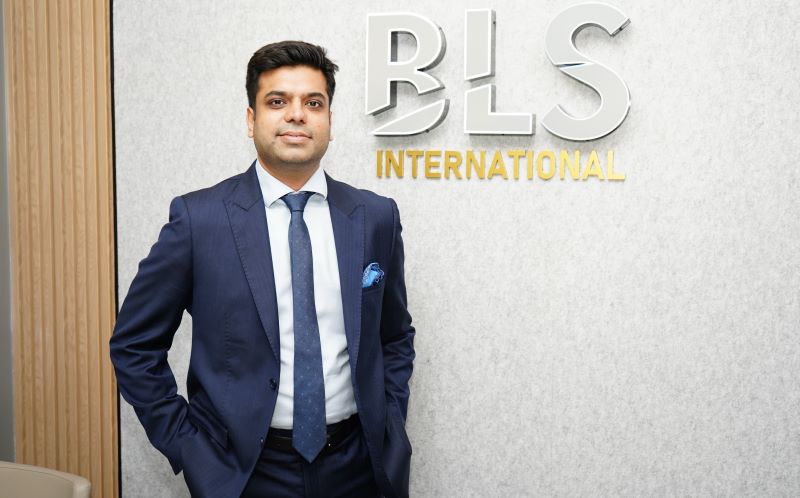
Article authored by Shikhar Aggarwal, Joint Managing Director at BLS International
The concept of travel in today’s time has evolved beyond merely visiting popular destinations, purchasing memorabilia and clicking pictures for memories. Young travellers armed with modern tools such as cards, fintech solutions, smartphones, digital payments, and artificial intelligence are seeking more immersive, purposeful, and connected experiences.
These new-age tools, which can be accessed through a smartphone, have made travelling much easier by removing language barriers, currency hassles, and navigation issues, and this technology – enabled shift is popularly known as ‘smart travelling’.
In this new trend, planning, personal preferences, and innovation are combined to create a hassle – free, seamless, and pleasant traveling experience. This shift also reflects a growing interest among travel enthusiasts in finding purpose and deeper connections through travelling. It emphasizes more on travelling light but living heavy with experience and sizes the immersive experience and the quality of the journey over the destination.
Although a truly immersive travel experiences demands rigorous preparation—from securing all required visas to in-depth research on the destination to assembling essential travel gear, cameras, credit and forex cards; downloading offline maps; arranging medical insurance; and permits for travel, exploration, and filming. This trend is growing globally as travellers seek ways to make their experiences more fulfilling.
The rise in thoughtful exploration
Travellers of today want more than just a passport full of stamps. They want connection- to the cultures, the nature, the people and more importantly themselves. The desire to slow down from the usual fast paced life and travel with intention has led people to seek experiences that are more rich in nature and not necessarily longer or more expensive. It’s about choosing a destination that resonates with your values, interests, or personal goals and not because it’s trending on social media.
As a result, in contrast to the traditional tourism- now many young travellers prefer to stay longer in fewer places, allowing for true connection and a more relaxed pace.
Smart planning as the new power move
A successful trip usually starts with preparation, which includes outlining every detail of the trip with a clear vision much before you board the aircraft. This includes understanding visa requirements, weather patterns, and local norms, but also ensuring key essentials like a backup plan for finances, travel insurance, and medical coverage.
It is considered that the best practice is to carry a mix of local currency and internationally accepted cards, allowing flexibility while managing foreign exchange risks. Travel insurance is now considered a must-have, especially in the post-pandemic world where delays, health emergencies, or sudden cancellations can quickly derail plans.
Smart travellers in today’s age know how to pack right intentionally including carrying the right gear, understanding what’s essential, and always leaving space for the unexpected.
Technology’s Role in smart travelling
When it comes to smart travelling, Gen Z and Millennials are using technology to plan meaningful trips. New generation apps and other online tools make it easier to find several travel options, learn how best to gain maximum experience, and create wonderful memories from the voyage. Digital tools such as tablets and smartphones are becoming a key part of smart traveling. The use of a number of electronic devices is enhancing traveller’s experiences and helping create memories, which can be shared through social media platforms.
Use of plastic money
Another prominent trend observed among young travellers is their growing preference for smart money solutions, including digital currencies and plastic money , reflecting a shift toward more secure, seamless, and tech-savvy financial transactions while travelling abroad. Higher usage of cards such as credit, forex, or debit, and online payments during travel, particularly during foreign visits, greatly reduces the risk. It also helps in doing away with the hassle of keeping foreign exchanges handy and helps traveller to enjoy his trip fully.
Changes in the Travel Industry
The travel industry is also adapting to the demand for smart travellers. Travel agencies are now offering tour packages focused on this rising trend in mind. Moreover, this new trend is reducing the need for several intermediaries such as currency exchangers, guides and tours, and travel companies tailoring tour packages while keeping meaningful, memorable, enriching, and pleasant experiences in mind.
Conclusion
The increasing popularity of Smart travelling is forcing travel and service companies to rethink their business strategies. This new phenomenon is changing the way millennial and Generation Z explore the world, transforming each and every aspect of their holidays into a purposeful, enriching experience. This specific thoughtful approach to travel is rooted in the efficient usage of all resources to gain immersive experiences, and is reshaping the future of tourism across the world. For most tourists of the younger generation, smart travel isn’t just a trend; it’s an invitation to create lasting memories.
Read more at TravelMail | Follow us on Facebook | Twitter | and Instagram for on-the-go news