
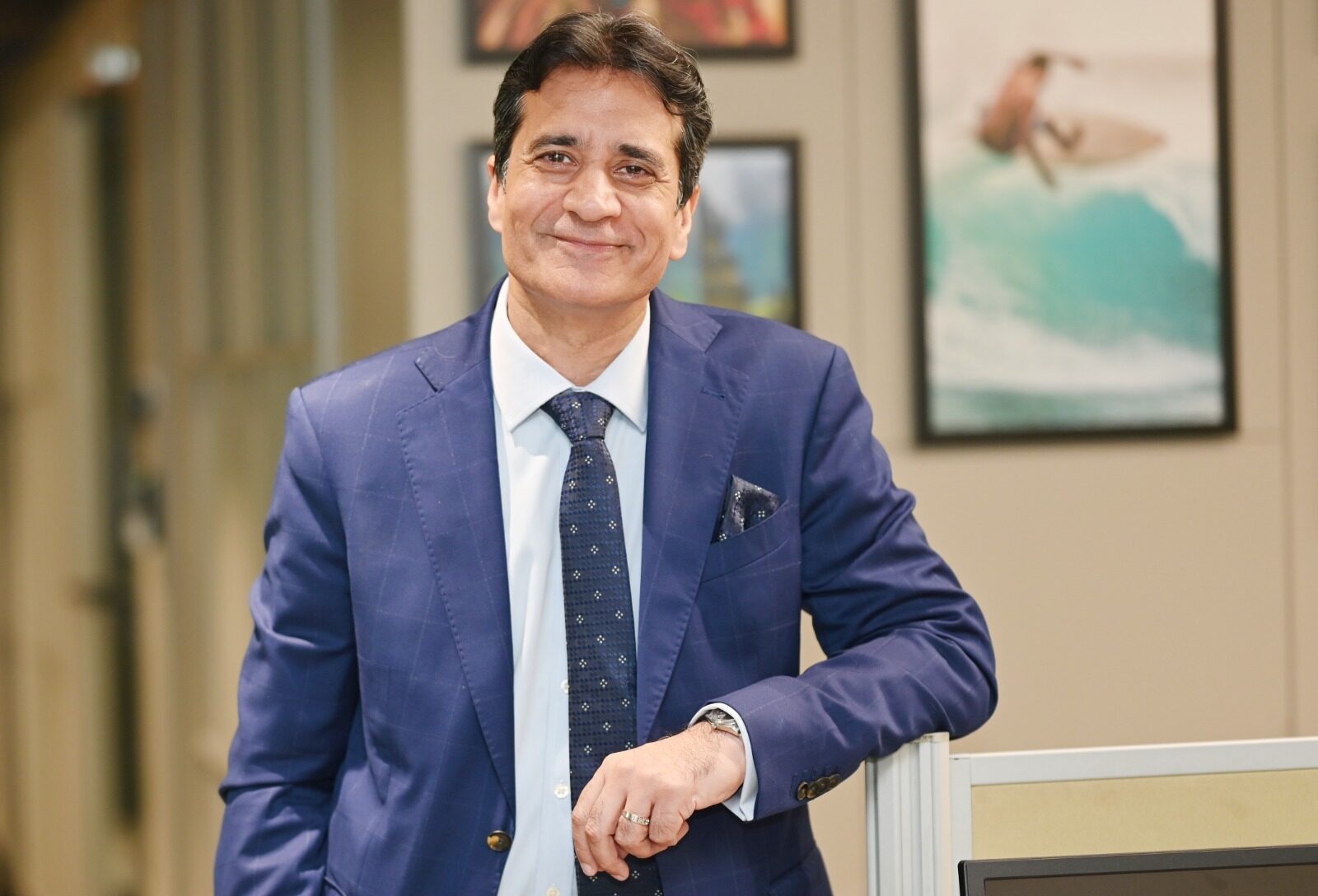
By Deepak Nangla, Managing Director, Premier by Brightsun
A five-night holiday can lose much of its first day to an awkward connection, a long transfer and a room that is not ready. The hotel may be exceptional. The guest still arrives tired, with less time to enjoy it. For an affluent traveller with limited days away, that loss can matter more than the difference between two room categories.
This is where the willingness to pay for a well-managed journey becomes understandable. Money can widen the choices available, while leave schedules and family commitments often remain fixed. A higher fare for a direct flight may therefore offer better value than a cheaper route that consumes another day. The relevant calculation includes the usable hours at the destination.
Virtuoso’s 2026 Luxe Report offers context for this demand. Drawing on more than 2,400 travel advisers across over 50 countries, it identifies family travel and time with loved ones among important priorities, alongside demand for privacy and personalized experiences. It also notes that luxury clients remain conscious of costs. This global adviser survey is not a measure of Indian travellers alone, but it reinforces the need to explain what a premium actually delivers.
Much of that value lies in coordination. An early arrival requires a confirmed plan for room access. A private transfer needs the correct terminal and enough space for the family’s luggage. A dinner reservation should account for the time needed to reach it. Individually, these are modest details. Together, they determine how much of the holiday the guest spends managing arrangements.
Good planning also involves judgement about pace. A family travelling with an older parent may benefit from fewer hotel changes and a room near the lift. Someone arriving after a demanding working week may prefer an unscheduled first morning. Such decisions require a conversation about how people want to spend their time. A list of favourite hotels cannot provide the whole answer.
Responsibility becomes especially valuable when something changes. If a flight is delayed, the transfer, hotel arrival and evening plans may all need attention. Having one person coordinate those changes reduces the number of calls the traveller must make. No adviser can prevent every disruption. The service should be judged by the quality of the response and the clarity of the options offered.
Technology can support this work by keeping preferences accessible and communicating updates promptly. Human judgement is still needed when the alternatives involve a trade-off, such as accepting a later arrival to avoid a difficult connection. The traveller should understand that choice without having to reconstruct the entire itinerary.
There are limits to what should be arranged in advance. Filling every hour can make an expensive holiday feel restrictive. Leaving an afternoon open gives guests room to linger over lunch or change their minds. That flexibility needs to be considered alongside cancellation terms and the availability of local support.
For luxury travel providers, the price must be explained through the service delivered. Guests should know who is responsible, what is confirmed and where flexibility exists. When those arrangements work, a family can stay at the table a little longer without someone reaching for a phone to organize the next part of the day.
Read more at TravelMail | Follow us on Facebook | Twitter | and Instagram for on-the-go news.