
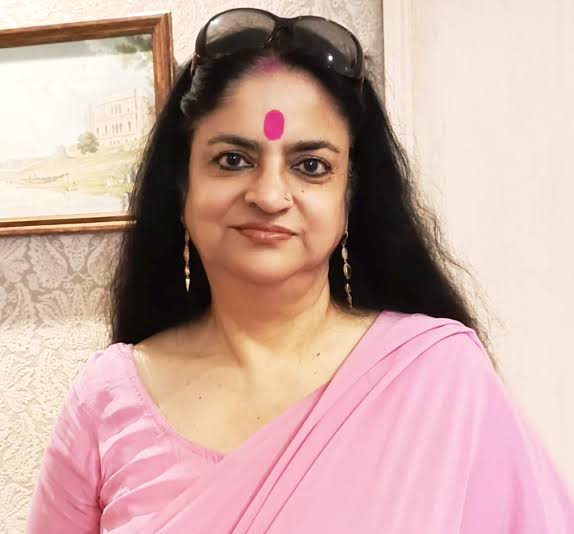
The Indian travel landscape is evolving rapidly in 2026, with travellers increasingly seeking meaningful experiences, authentic local encounters and journeys that go beyond conventional sightseeing. From the growing popularity of solo travel and emerging destinations to the transformative role of artificial intelligence, sustainability and skill development, the tourism industry is entering a new phase of growth and innovation.
In this exclusive interaction, Mrs Jyoti Mayal, Chairperson, Tourism and Hospitality Skill Council (THSC), shares her perspective on the changing preferences of Indian travellers, the potential of experience-led tourism, the role of technology in shaping travel planning, and the priorities for making Indian destinations more globally competitive. She also highlights the need for stronger infrastructure, consistent service standards, workforce skilling and collaboration across the tourism ecosystem to build a more connected, inclusive and future-ready industry.
What are the biggest changes you are seeing in the Indian traveller in 2026?
Indian travellers today are far more experience-driven than destination-driven; they’re asking, “What will I feel and learn?” rather than just, “Where will I go?” We’re also seeing a sharp rise in solo travel, multigenerational family trips planned around shared interests, and a much stronger pull towards Tier 2 and Tier 3 destinations. Value-consciousness hasn’t gone away, but it’s now paired with a willingness to spend more on authenticity and comfort.
With AI increasingly influencing travel planning, how do you see technology reshaping the travel experience?
I think AI is going to make travel planning far more personal and seamless. Things that once took hours of research can now happen in minutes—from building an itinerary to finding the right experiences and getting real-time recommendations. But what excites me most is that technology can take care of the logistics while we focus more on the human side of travel. For me, great travel is ultimately about the experience—the warmth of hospitality, discovering something local and unexpected, and having someone there to solve a problem when it matters. AI can make that journey smarter and more efficient, but human connection is what will make it memorable.
Domestic travel remains a strong growth driver. What more can be done to encourage travellers to explore emerging destinations in India?
We need three things moving together: infrastructure that reaches beyond the usual circuits, last-mile connectivity by air and rail, and strong, consistent storytelling around lesser-known destinations rather than one-off campaigns. State tourism boards and private players also need to co-invest in training local guides and developing homestays, because the quality of the experience at an emerging destination is what turns a one-time visitor into an advocate.
Experience-led travel is gaining momentum. Which segments do you see having the biggest potential in India, and how can the industry support this new way of travelling?
I believe India has a huge opportunity in experience-led travel because our diversity goes far beyond destinations; it spans wellness, food, culture, heritage, adventure, and nature. Travellers today want to experience a place, not just see it, and wellness tourism, culinary trails, adventure tourism, eco-tourism, and heritage-led travel have tremendous potential. For me, the shift is from simply promoting destinations to creating experiences that give travellers a reason to stay longer, explore deeper, and come back. That will require all of us—tourism businesses, technology platforms, destinations, and policymakers—to think beyond individual offerings and build an ecosystem that can take these experiences to the next level.
What should be the next priority to make Indian destinations more globally competitive?
Consistency. A traveller should get the same standards of signage, safety, digital payments, and service, whether they’re in a metro or a smaller town. Alongside that, we need sharper destination branding in global markets. India is still under-marketed relative to the experiences it actually offers.
What are the key conversations the tourism industry needs to have right now to build a more connected and future-ready ecosystem?
Sustainability needs to be built into infrastructure planning, not bolted on later. We need skilling at scale so that service quality keeps pace with demand, and far better data-sharing between government, private players, and technology platforms. A connected ecosystem isn’t just about physical connectivity; it’s about everyone working with the same information.
Read more at TravelMail | Follow us on Facebook | Twitter | and Instagram for on-the-go news.