
As India’s travel and hospitality sector enters a new phase of growth, evolving traveller expectations, rapid digital transformation, and the emergence of new destinations are reshaping the industry like never before. Today’s guests seek far more than affordable accommodation—they expect seamless technology, personalised experiences, flexible travel options, and consistent quality, whether travelling for business, leisure, or a blend of both.
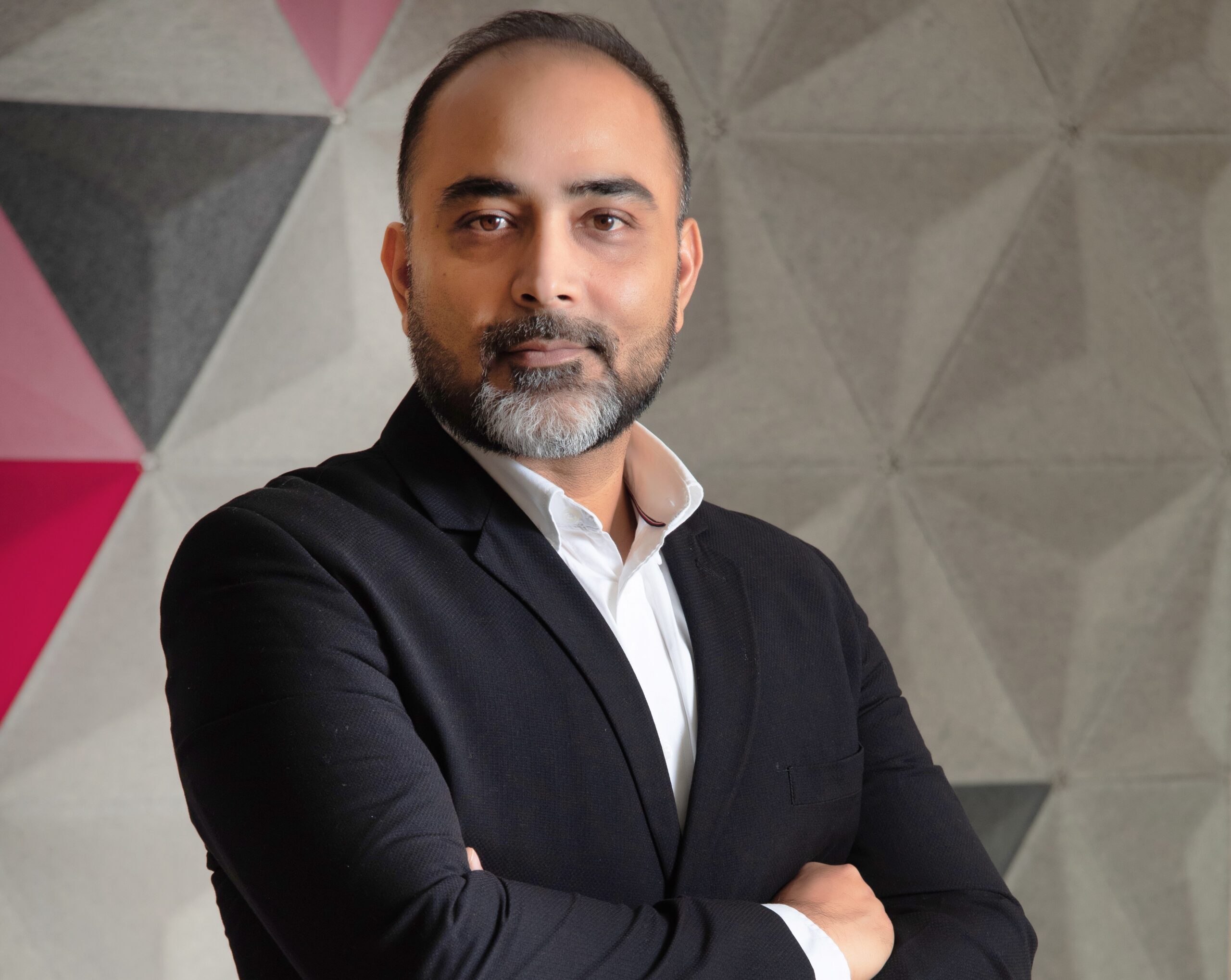
In this exclusive interaction with Mr. Animesh Kumar, Commercial Head, ibis & ibis Styles India, he shares how ibis and ibis Styles are adapting to these changing consumer behaviours through data-driven strategies, digital innovation, and a strong focus on value-led hospitality. From the rise of bleisure travel and the growing importance of Tier-II and Tier-III cities to the role of AI in commercial decision-making, he offers valuable insights into the trends that will define the future of India’s hospitality landscape and how the ibis brands are positioning themselves for sustained growth.
India’s travel landscape has undergone a significant transformation in recent years. What are some of the most notable shifts in traveller behaviour and booking patterns that ibis and ibis Styles have observed, and how are these influencing your commercial strategy in India?
One of the biggest changes we’ve observed is that travellers today are far more intentional in how they plan and book their stays. On one hand, many guests are booking much closer to their travel dates, while on the other, we’re also seeing early planners locking in stays well in advance, especially around holidays and major events. The booking journey has also become increasingly mobile-first, with digital platforms and OTAs playing a much larger role in how travellers discover, compare, and book hotels.
Another noticeable shift is the growing preference for shorter, more frequent getaways rather than a single long annual vacation. For us, this means being much more agile commercially. We rely on real-time demand insights, flexible pricing, and stronger digital engagement to stay relevant.
Our focus is on being present where travellers make decisions, while ensuring the experience consistently delivers the value, convenience, and reliability they expect from the ibis brands.
With travellers becoming increasingly value-conscious while still expecting quality experiences, how is ibis redefining value-driven hospitality to meet the evolving expectations of today’s guests?
Value today is no longer defined by price alone. Guests want an experience that feels reliable, seamless, and worth what they’re paying for. They expect comfortable rooms, quality sleep, good food, easy digital interactions, and a location that helps them make the most of their trip, whether they’re travelling for work or leisure. At ibis, our focus is on delivering that balance consistently. We invest in the essentials that matter most to our guests while removing unnecessary complexity. At the same time, we’re constantly refining the guest experience through digital convenience, personalised offers, and service that feels intuitive rather than transactional.
Tier-II and Tier-III cities are rapidly emerging as important business and leisure destinations. How do you see these markets shaping the future of hospitality in India, and what role will ibis and ibis Styles play in this growth story?
There’s no doubt that India’s travel story is expanding beyond the metro cities. While destinations like Mumbai, Bengaluru, and Delhi will always remain important, we’re seeing travellers increasingly explore emerging cities for both business and leisure. Better connectivity, infrastructure development, and growing commercial activity are making these markets far more attractive than they were a few years ago.
I believe this shift will play a defining role in the next phase of hospitality growth in India. Take Jaipur, for instance, which has evolved into one of the country’s strongest leisure and MICE (Meetings, Incentives, Conferences and Exhibitions) destinations. Kochi is steadily growing as a business and tourism hub, while Nashik is witnessing increasing demand driven by its industrial base as well as religious tourism. For ibis and ibis Styles, the opportunity lies in being present where this demand is growing. As more travellers look for trusted, internationally recognised brands in these emerging destinations, our focus is on delivering a consistent, value-driven experience that meets the needs of both business and leisure guests.
Beyond traditional business and leisure travel, newer segments such as bleisure travellers, Gen Z, weekend explorers, and experience-driven guests are on the rise. Which traveller segments are driving the strongest growth for ibis, and how are your brands adapting to their evolving preferences?
I think one of the biggest shifts we’ve seen is that travellers no longer fit into just one category. Someone might be travelling for work but extend their stay for the weekend, while another guest could be planning a quick getaway around a concert, festival, or family celebration. Alongside business and leisure travellers, we’re seeing growing demand from bleisure guests, Gen Z, weekend explorers, and even remote professionals. In fact, at ibis, we’re noticing that bleisure travellers already make up around 10% of our guest base, and this segment is only growing because people today don’t want to separate work and leisure as strictly as before; they want flexibility, seamless connectivity, and experiences that let them make the most of both.
What’s really interesting is that this is not just a trend; it’s a behavioural shift. Guests now expect convenience, digital-first journeys, and social, vibrant spaces where they can unwind or even work comfortably. To match these newer expectations, we are actively evolving the ibis experience, whether it’s through smarter digital check-ins, more flexible spaces that work for both work and relaxation, or creating lively common areas that encourage interaction and local immersion.
Technology is reshaping every aspect of the guest journey. How are AI, data analytics, and digital platforms influencing revenue management, guest engagement, and the overall commercial strategy for ibis and ibis Styles in India?
If there’s one thing technology has changed, it’s the speed at which we can make commercial decisions. Earlier, revenue management was largely based on historical trends. Today, with AI and data analytics, we’re able to respond to demand in real time, whether it’s adjusting pricing around a citywide event, identifying changing booking patterns, or understanding which channels are performing best.
The same applies to guest engagement. Digital platforms help us understand what different traveller segments are looking for, so our communication and offers can be far more relevant instead of being generic. From a commercial perspective, our strategy is increasingly driven by data rather than assumptions, allowing us to improve both guest satisfaction and business performance at the same time.
The midscale and economy hospitality segments have become increasingly competitive, with both international and domestic brands expanding aggressively. What differentiates ibis and ibis Styles in this dynamic market, and where do you see the biggest opportunities for future growth?
The competition has certainly intensified, but I see that as a positive sign for the industry. It shows that demand is growing and travellers today have more choices than ever. In a market like this, differentiation doesn’t come from simply offering a room. It comes from delivering a consistently reliable experience every time a guest stays with you.
That’s where ibis and ibis Styles stand apart. ibis is built around quality, consistency, and value, while ibis Styles offers an upscale and contemporary living experience with a distinct local character. Together, they allow us to cater to different traveller needs without compromising on service standards. Looking ahead, I see the biggest opportunities in India’s expanding domestic travel market, the rise of bleisure travel, and the growing demand from emerging business and leisure destinations. As travel becomes more frequent and diverse, trusted brands that can deliver dependable experiences at the right value will continue to have a strong advantage.
Looking ahead, what is your outlook for India’s hospitality sector over the next three to five years, and what trends do you believe will define the next phase of growth for value-driven hotel brands?
I’m very optimistic about where the industry is headed. Over the next three to five years, I think we’ll see hospitality becoming far more demand-driven, with domestic travel continuing to lead the way. At the same time, travel will become more frequent but shorter, with guests expecting greater flexibility, seamless digital experiences, and consistent quality regardless of where they stay.
Another trend I’m watching closely is the rise of emerging business and leisure destinations beyond the metros, which is creating new opportunities for organised hospitality. For value-driven brands, success will come from delivering the right balance of quality, convenience, and affordability while using technology and guest insights to stay relevant in an increasingly competitive market.
Read more at TravelMail | Follow us on Facebook | Twitter | and Instagram for on-the-go news