
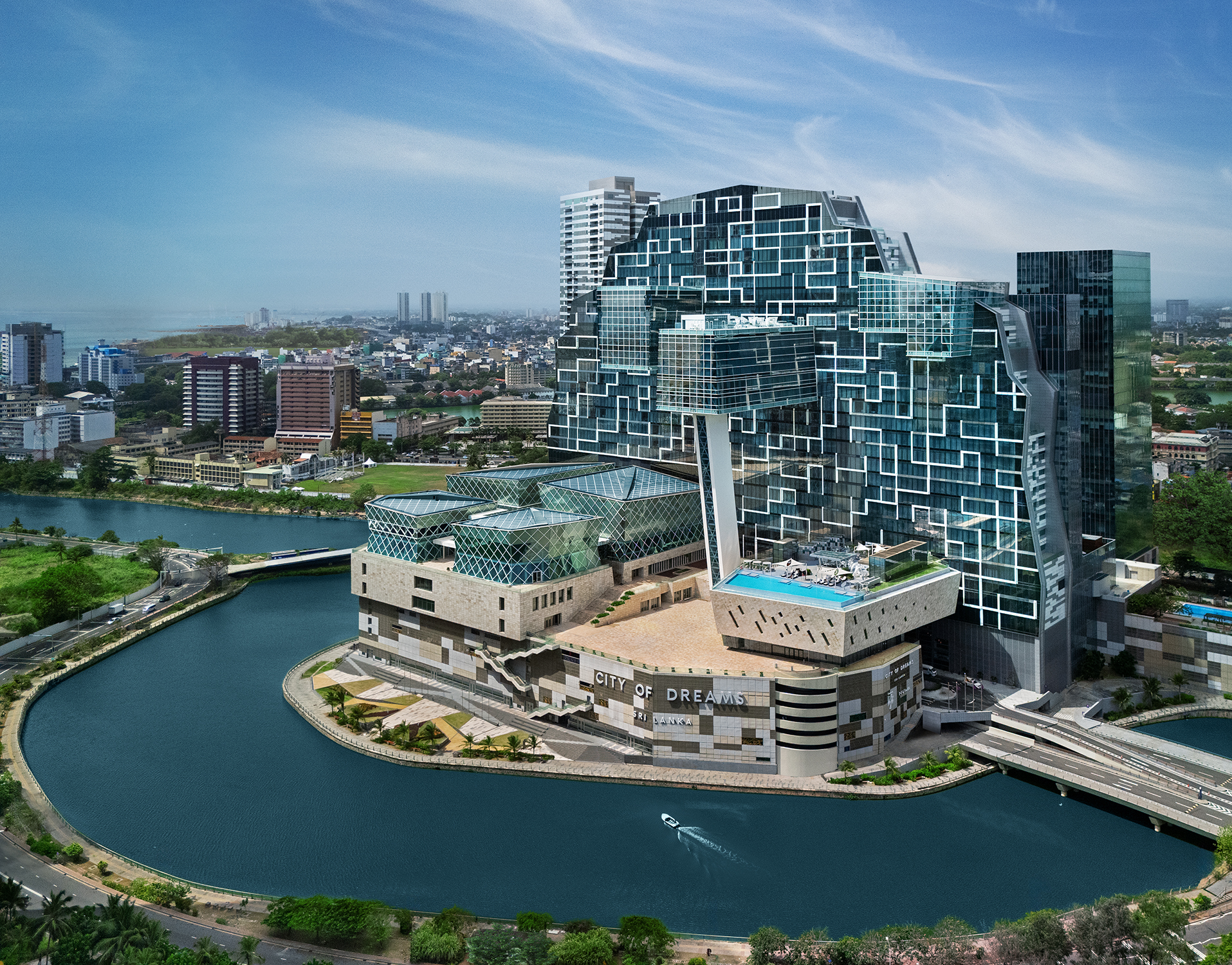
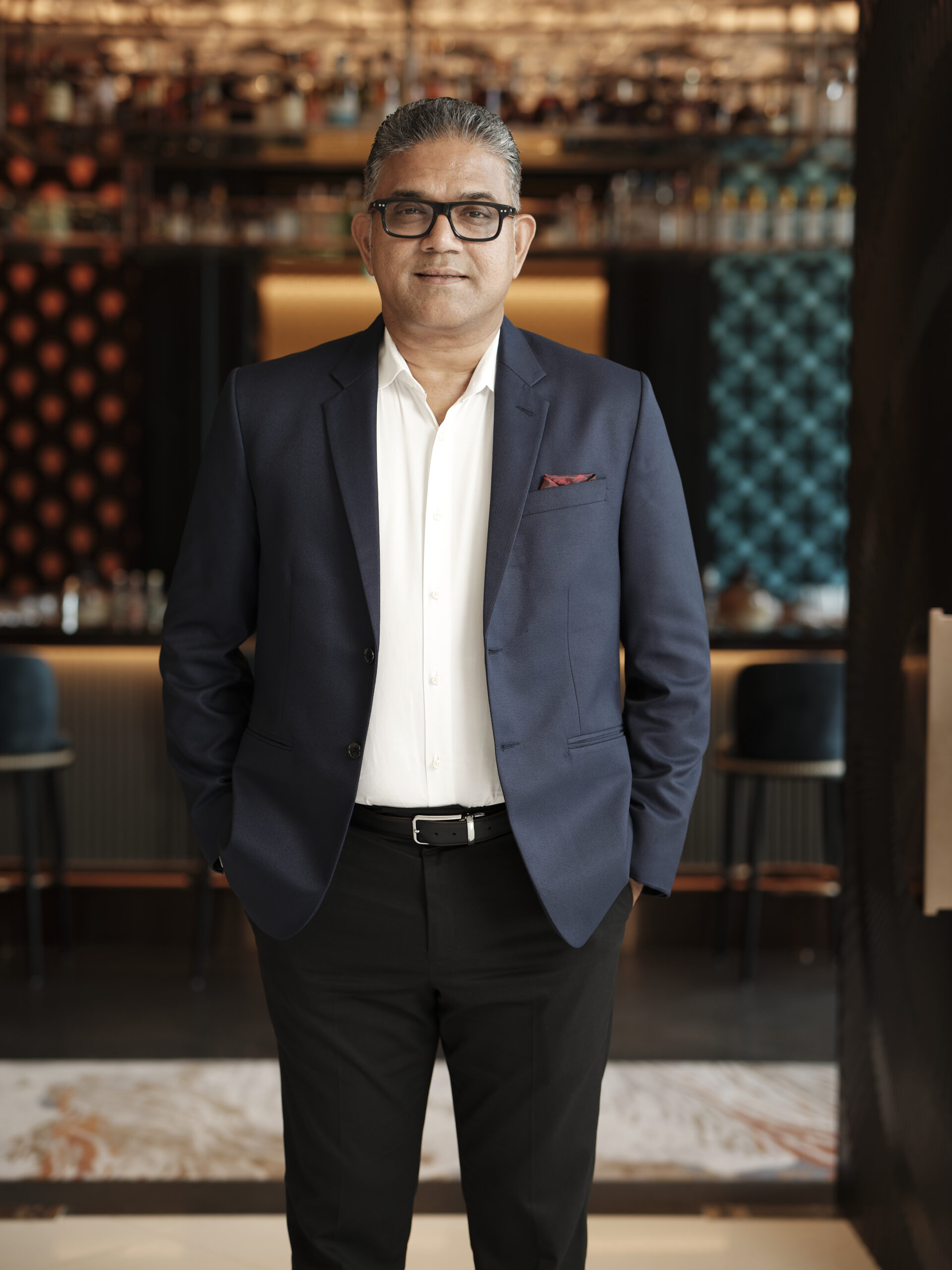
As Sri Lanka strengthens its position as a premium tourism destination, integrated hospitality experiences are playing an increasingly important role in attracting international travellers. At the heart of this transformation is City of Dreams Sri Lanka, a landmark destination bringing together luxury accommodation, fine dining, entertainment, retail and MICE facilities under one roof. In this exclusive interview, Mr. Kamal Munasinghe, General Manager of Cinnamon Life at City of Dreams Sri Lanka, discusses the evolving luxury hospitality landscape, the growing importance of the Indian travel market, the destination’s strategy to encourage longer stays and higher visitor spending, and his vision for positioning Colombo as a preferred hub for premium leisure travel, destination weddings and international business events.
Sri Lanka’s hospitality sector continues to evolve as travellers increasingly seek immersive experiences, distinctive destinations and personalised service. From your perspective, what are the key shifts shaping the country’s luxury hospitality landscape, and how is City of Dreams responding to these changing expectations?
What makes a stay premium has shifted from what a hotel has to what a guest takes home. Travellers used to compare thread counts and pool sizes. Today they compare stories: the chef who cooked for them, the artist behind the painting outside their room, the evening they did not plan but will talk about for years. In Colombo, people now talk about where they eat the way they talk about where they travel. At the same time, luxury is becoming increasingly intelligent. Guests expect technology to make their experience more seamless; from the way they discover and book a destination to how their preferences are recognized throughout their stay. However, technology should enhance human connections, never replace them.
The second shift is that being Sri Lankan has become the premium, rather than something hidden behind an international template. Many hotels could be anywhere. Travellers increasingly want to know exactly where they are. That shaped how we run City of Dreams, Sri Lanka. More than 1,000 commissioned works by Sri Lankan artists hang throughout the resort, so a walk to dinner doubles as a gallery visit. Sri Lankan chefs lead our kitchens, and our culinary team won a record 56 medals at the Chefs Guild of Lanka competition in 2025. The third shift is quieter personalisation. Guests do not want to be asked the same question twice. If we know someone prefers a Jain menu, or that the trip marks an anniversary, that should shape the stay without them repeating it. Technology helps us remember. People make it feel personal.
City of Dreams Sri Lanka brings together luxury accommodation, dining, retail, entertainment and MICE facilities within one integrated destination. What was the strategic vision behind this development, and what makes this model distinctive in the South Asian hospitality landscape?
Colombo did not need another hotel. It needed a stage. City of Dreams Sri Lanka was conceived as a catalyst for a new Colombo: one address where the city comes to stay, meet, dine, celebrate, and be entertained.
What is distinctive is less the size than the way everything connects. A delegate who comes for a conference stays on for a show. A Colombo resident who comes for dinner books a wedding the following year. We plan rooms, restaurants, events, retail, and entertainment as one guest journey, not as separate businesses.
I use a simple test for whether it is working: are locals here? An integrated resort used only by visitors feels like an airport lounge. One that the city uses for its weddings, fashion shows, and Friday nights feels alive, and that is exactly what travellers want to be part of.
The scale gives us range. Cinnamon Life has 687 rooms, alongside the 113 at Nüwa. There is more than 160,000 square feet of event space for over 5,000 guests, in towers designed by Cecil Balmond. Through our partnership with Melco Resorts & Entertainment, the resort also connects Colombo to a City of Dreams network spanning Macau, Manila, and Cyprus.
Beyond the destination itself, our ambition is to create a wider economic multiplier for Sri Lanka. From employment and skills development to opportunities for local suppliers, creative industries, event organisers and tourism partners, we see City of Dreams Sri Lanka as an investment that should generate value well beyond its physical boundaries.
India remains an important source market for Sri Lanka, with demand spanning leisure holidays, family travel, celebrations and business visits. How is City of Dreams seeking to attract Indian travellers, and what opportunities do you see to further strengthen the property’s appeal in this market?
India is not one market for us. It is at least four: the Gen Z traveller, the wedding party, the corporate group, and the multi-generational holiday. Each wants something different.
Take live entertainment. A growing number of young Indians now plan trips around concerts and shows, often booking as soon as a line-up is announced. Colombo is starting to give them more reasons to visit. Russell Peters brought his sold-out Relax World Tour to City of Dreams Sri Lanka, while the West End musical La Bamba ran for seven performances at The Forum. We also recently hosted This Is Michael – Relive the Legend, the internationally touring Michael Jackson production led by Lenny Jay, at The Podium on 8 and 9 November.
Looking ahead, Once Upon a Time: The Greatest Xmas Show in December will add to this calendar of entertainment. Through Cinnamon Box Office and our Destination Event Calendar, travellers can plan a Colombo getaway around experiences they may not find closer to home, just a short flight away.
Weddings are changing too. Indian couples are choosing smaller, longer, more personal celebrations, and Sri Lanka has been named their fastest-growing overseas wedding destination. Food matters most to their guests. That is why our concept of “Utsav” brings together venues, décor, Indian and Jain menus, and end-to-end planning, with Indian Guest Relations Officers on hand.
The biggest untapped opportunity, in our view, lies beyond the major metros. We supported FitsAir’s direct Ahmedabad Colombo service, launched in June 2026, and through Chalo Colombo we are promoting the flight and the destination together. Rather than simply waiting for demand, we are working to create it.
With improved accessibility, simplified travel arrangements, free Electronic Travel Authorisation for Indian nationals and the convenience of UPI payments, we have an opportunity to make Colombo an even more attractive proposition for Indian travellers. Our focus now is to build awareness, create compelling reasons to visit, encourage longer stays and turn first-time visits into repeat travel.
Colombo has the potential to attract travellers looking for more than a traditional city break, combining urban experiences with Sri Lanka’s wider cultural and natural attractions. How can destinations such as City of Dreams Sri Lanka help encourage longer stays, higher visitor spending and greater exploration of the country?
I call it the 48-hour problem. Visitors land in Colombo, sleep, and leave for the beach or the hills. Cities solve that with programming as much as infrastructure. A city where there is always something happening becomes a destination rather than a stopover.
Our first year proved the audience is there. Productions of international scale can fill a Colombo stage, and Sri Lankan performers can share it with them. Once people know the calendar, they start planning their trips around it.
I would also point travellers to the Colombo few people know. Historic shipwrecks lie just off the coast for divers. Around Beira Lake, the Dutch Hospital precinct, and Galle Face, an evening culture is emerging that did not exist a few years ago. Because Colombo is compact, guests spend their time in the city rather than in traffic.
Our responsibility does not end with providing an exceptional experience within our own destination. We should also act as a gateway to the rest of Sri Lanka. Through Cinnamon’s wider network of city hotels, beach resorts and nature-based experiences, we have an opportunity to create seamless itineraries that encourage visitors to explore more of the country and extend their stay. The measure that matters is not arrivals but value per visit: how long guests stay, what they spend, and how much of Sri Lanka they see.
With Cinnamon Life and Nüwa offering distinct hospitality experiences within the wider City of Dreams destination, how do you differentiate their positioning while maintaining high standards of service and creating memorable, personalised experiences for different guest segments?
I think of the two hotels as the public square and the private club. Cinnamon Life at City of Dreams Sri Lanka, operated by Cinnamon Hotels & Resorts, is the square. It is where conferences convene, wedding parties gather, and Colombo comes to celebrate. Its energy is the point.
Nüwa, operated by Melco, is the club. It sits on the top five floors of the tower with direct access to the casino, and much of its clientele comes for gaming and private entertainment. With butler service, an invitation-only membership, and its own lounges, bar, and rooftop pool high above the city, it is designed for guests who want the destination on their own terms, often away from the crowd.
The positioning works because we never ask either hotel to be the other. The two also strengthen each other. Nüwa guests can use selected Cinnamon Life facilities, and our restaurants and events give them more reasons to extend a stay.
Different segments also run on different clocks. A conference delegate judges us in minutes: a quick check-in, a coffee break that runs to time. A wedding party judges us over days. Getting both right under one roof is the real test of an integrated destination.
Consistency does not mean similarity. A guest moving from a ballroom to a restaurant to their room should never feel the handover between teams. That depends on how we brief, train, and connect our people behind the scenes, so that a request made in one corner of the destination is already known in another.
As General Manager of Cinnamon Life, what are your key priorities for the property’s next phase of growth? Looking ahead, how do you see integrated luxury destinations contributing to Sri Lanka’s emergence as a preferred choice for premium leisure travel, international business events and experiential tourism?
My first priority is people. We can build ballrooms and add flight routes faster than we can train the teams who run large events well. That gap stays hidden until three major events land in the same week. Developing and keeping talent is slower work than adding square footage, but it is what guests actually experience.
The second is the shape of the year. Sri Lanka has two monsoon seasons, so when one coast is quiet, the other is in season. In Colombo, events, conferences, and celebrations can carry the city through the months that have traditionally been slower, so demand holds steady all year rather than rising and falling with the weather.
The third is widening the map. India will stay central, but we see rising interest from the Middle East, Europe, Australia, and Southeast Asia in incentive travel and destination weddings.
On the larger question, Sri Lanka’s competition for a premium weekend or an international conference is not another Colombo hotel. It is Bangkok, Singapore, and Dubai. That should change how we work as an industry: win the event for Colombo first, then compete over who hosts it. My ambition is for Colombo to appear on every conference shortlist by default, without anyone needing to be persuaded. Integrated destinations make that possible because they offer what a new market needs most: confidence that a city can deliver at scale, from the first delegate’s arrival to the last guest’s departure.
Read more at TravelMail | Follow us on Facebook | Twitter | and Instagram for on-the-go news.