
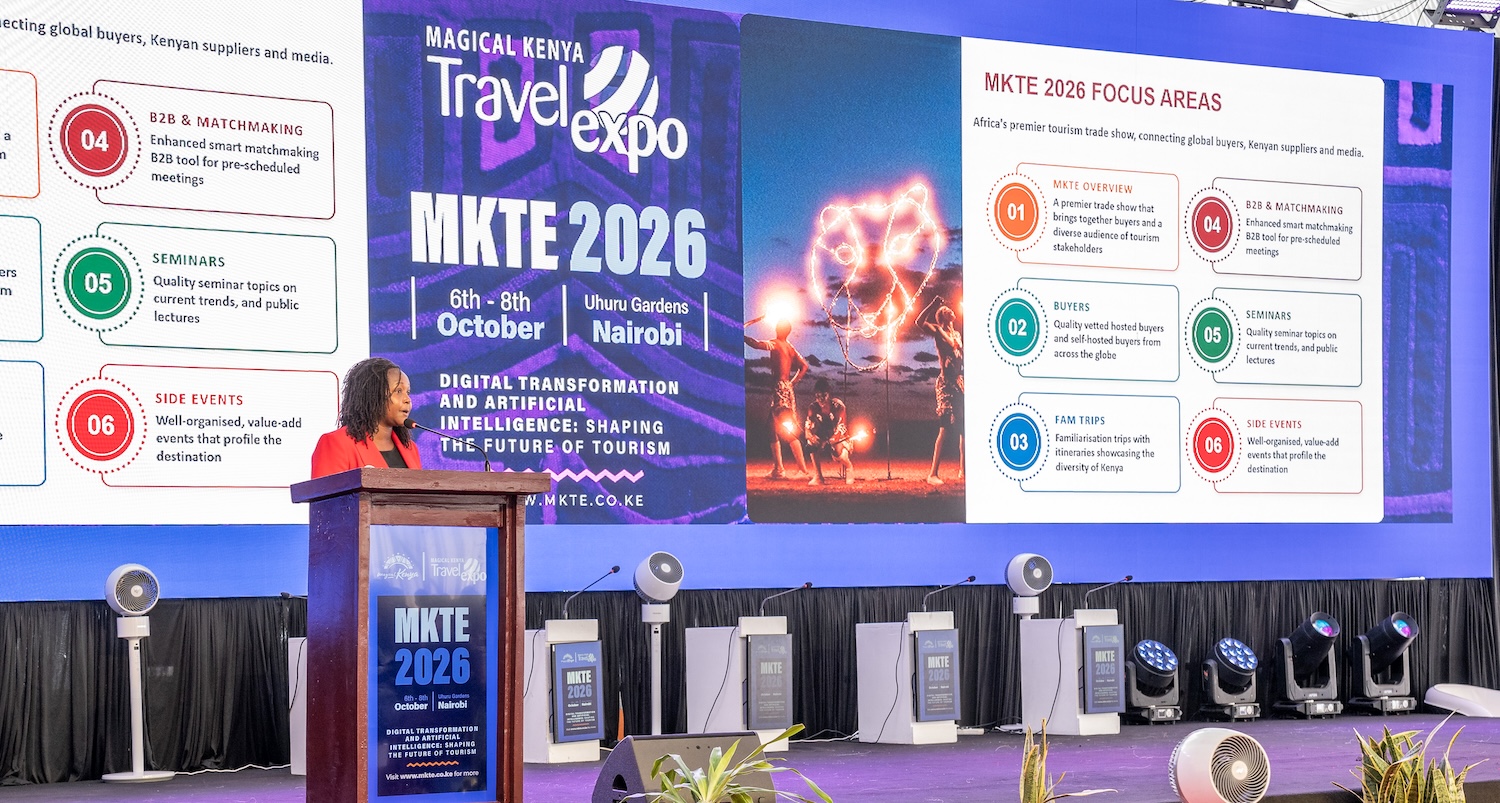
From attracting India’s next generation of travellers to embracing artificial intelligence, diversifying its tourism experiences and strengthening regional connectivity, Kenya outlined an ambitious vision for the future at the 16th Magical Kenya Travel Expo.
NAIROBI, KENYA: Kenya is looking beyond its traditional tourism strengths to build a more diverse, digitally driven and interconnected tourism industry, with a renewed focus on emerging markets, experiential travel, technology and regional collaboration.
The vision emerged during the 16th edition of the Magical Kenya Travel Expo (MKTE), held from 6–8 October 2026 at Uhuru Gardens in Nairobi. While the expo brought together international buyers, exhibitors, tourism professionals and media, discussions across the event highlighted a broader transformation underway in Kenya’s tourism sector, one focused not only on attracting more visitors, but on expanding what travellers discover, experience and spend across the destination.
Tourism on an upward trajectory
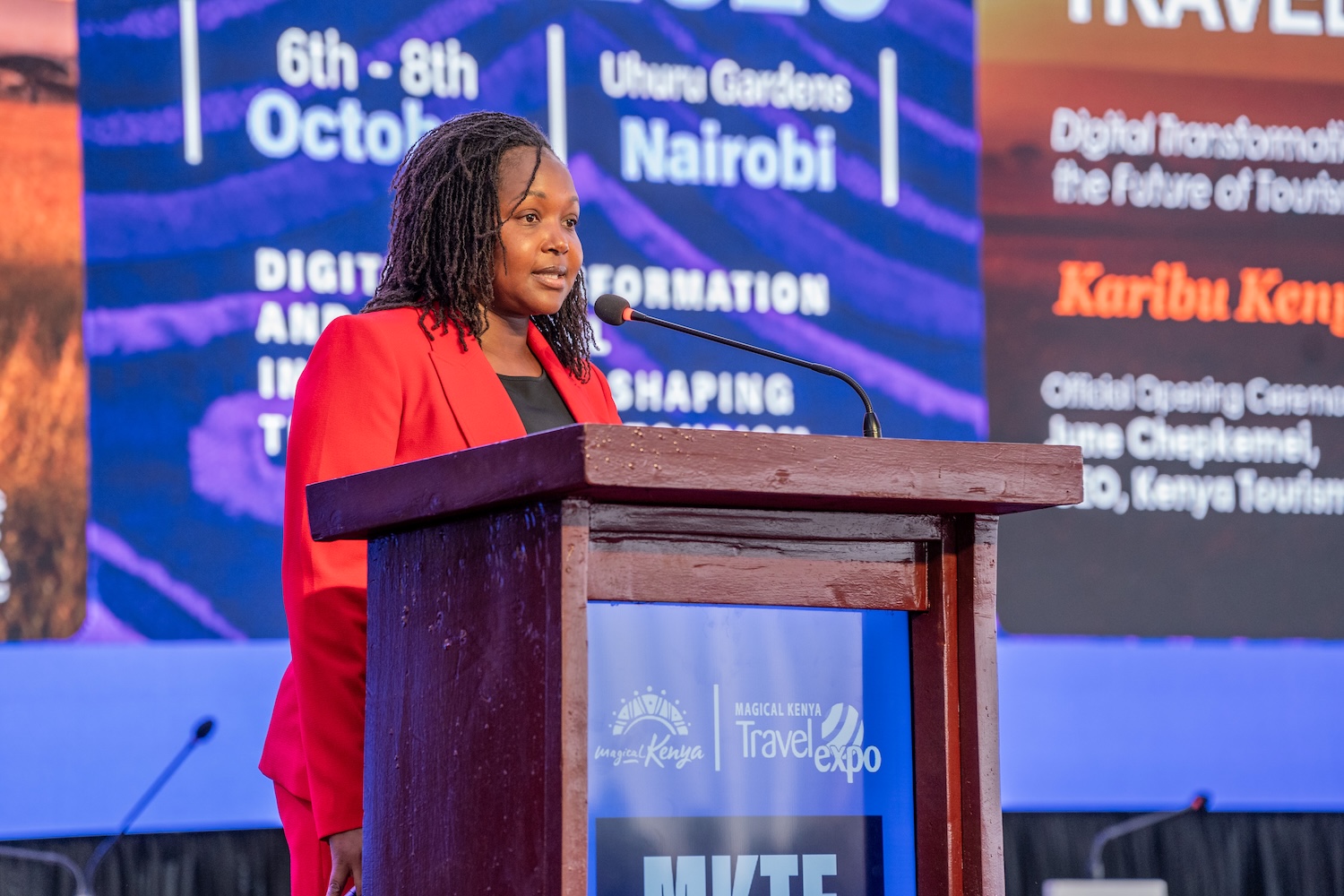
Kenya’s tourism sector entered the expo with encouraging performance figures. During the media briefing, Kenya Tourism Board CEO Ms June Chepkemei presented figures showing that the country welcomed 2.7 million international visitors in 2025, approximately 9% higher than the 2.47 million recorded in 2024.
Tourism earnings also rose to KSh 500 billion in 2025, up from KSh 452.2 billion the previous year, while domestic travel reached 5.2 million travellers.
The figures reflected the sector’s continued recovery and growth, while reinforcing the importance of expanding tourism experiences, reaching new source markets and strengthening the country’s position in an increasingly competitive global travel landscape.
A Wider Tourism Proposition
One of MKTE’s central messages was Kenya’s effort to move beyond the traditional safari narrative and offer a broader range of experiences to international travellers.
As highlighted during the media briefing, Kenya’s tourism proposition increasingly encompasses adventure and outdoor experiences, culture and heritage, wellness, culinary tourism, coastal and urban experiences, nature and sports tourism.
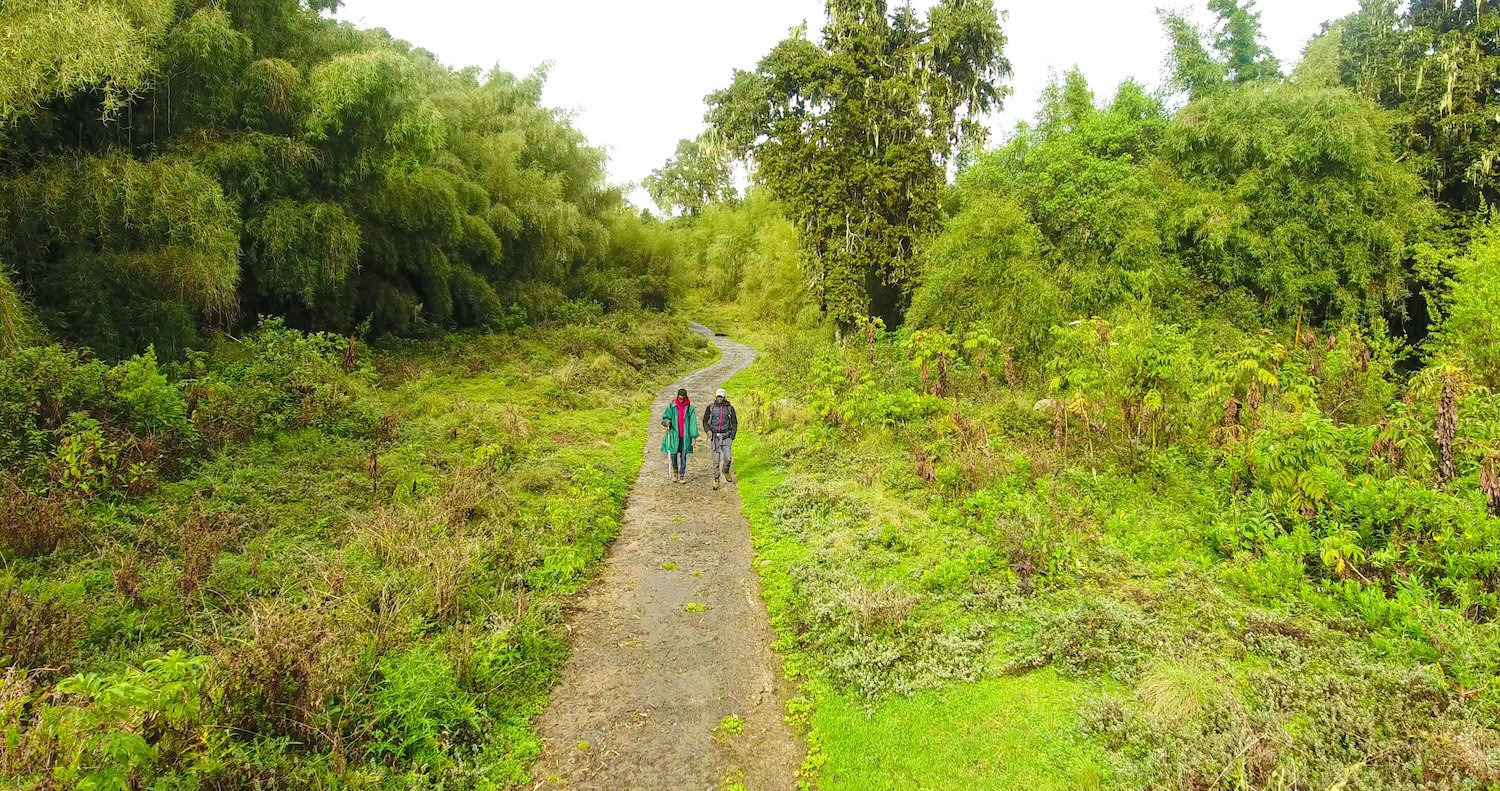
“The safari is the beginning, not the end,” read a line from the presentation, capturing the country’s ambition to encourage visitors to explore beyond wildlife safaris and discover more of Kenya.
The diversification strategy also reflects changing traveller preferences, with growing interest in immersive experiences, local culture, adventure, wellness, food, sporting events and destinations that offer opportunities to combine leisure with business.
India’s next generation of travellers
In an exclusive interview with Travel Mail, June Chepkemei spoke about India’s growing importance as a source market and Kenya’s efforts to connect with a younger generation of Indian travellers.

“There is a huge growing population of an Indian traveller with disposable income and is more free to discover,” she said, noting that younger travellers are increasingly looking for adventure.
Chepkemei believes Kenya’s diversity presents an opportunity to appeal to this evolving segment. Experiences such as exploring the Rift Valley, cycling in national parks, climbing Mount Kenya, discovering local cuisine and enjoying the country’s entertainment offerings could help reshape perceptions of Kenya among Indian travellers.
She also highlighted that Kenya has more than 50 national parks and marine parks, with the Maasai Mara representing only one part of the country’s wider wildlife offering.
Beyond safari experiences, she pointed to the Indian Ocean coastline, adventure tourism, meetings and incentives, weddings and business-leisure travel as opportunities for the Indian market.
“Kenya is not just a place to visit, but it is a destination that you go, experience more and discover more,” she said.
With tourism promotion becoming increasingly targeted, Chepkemei said hosted buyers and media invited to MKTE were strategically selected from markets where Kenya sees growth opportunities.
Her message to the Indian market was clear: “Please show them that we are much more.”
Technology and AI to shape tourism’s next chapter
Digital transformation and artificial intelligence formed the central theme of MKTE 2026, with discussions examining how technology could reshape tourism marketing, operations and the traveller experience.
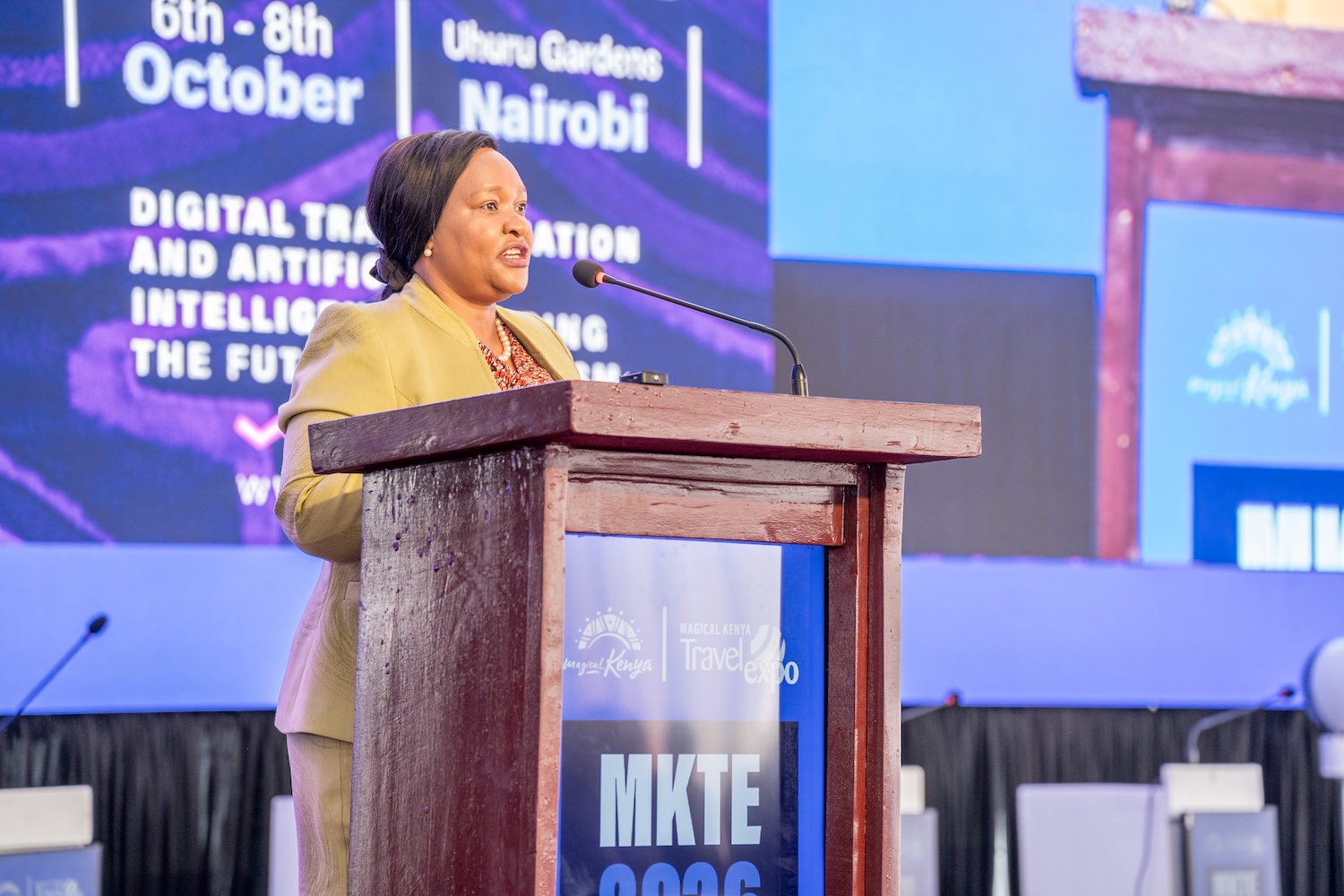
During her address, Cabinet Secretary for Tourism and Wildlife Ms Rebecca Miano said artificial intelligence and data analytics could help identify emerging markets, personalise marketing, anticipate demand, improve services and support more intelligent management of protected areas.
However, she stressed that digital transformation must create opportunities across the tourism value chain rather than concentrating benefits among larger companies.
“This transformation ought to democratize opportunity, not concentrate it,” she said.
Miano emphasised the need to ensure that smaller tour operators, community conservancies and businesses outside major tourism centres have access to digital platforms and tools that can help them compete.
The sessions on data governance and artificial intelligence examined how tourism businesses and destinations could harness technology while addressing digital trust, cybersecurity, data infrastructure and the human balance in increasingly automated operations.
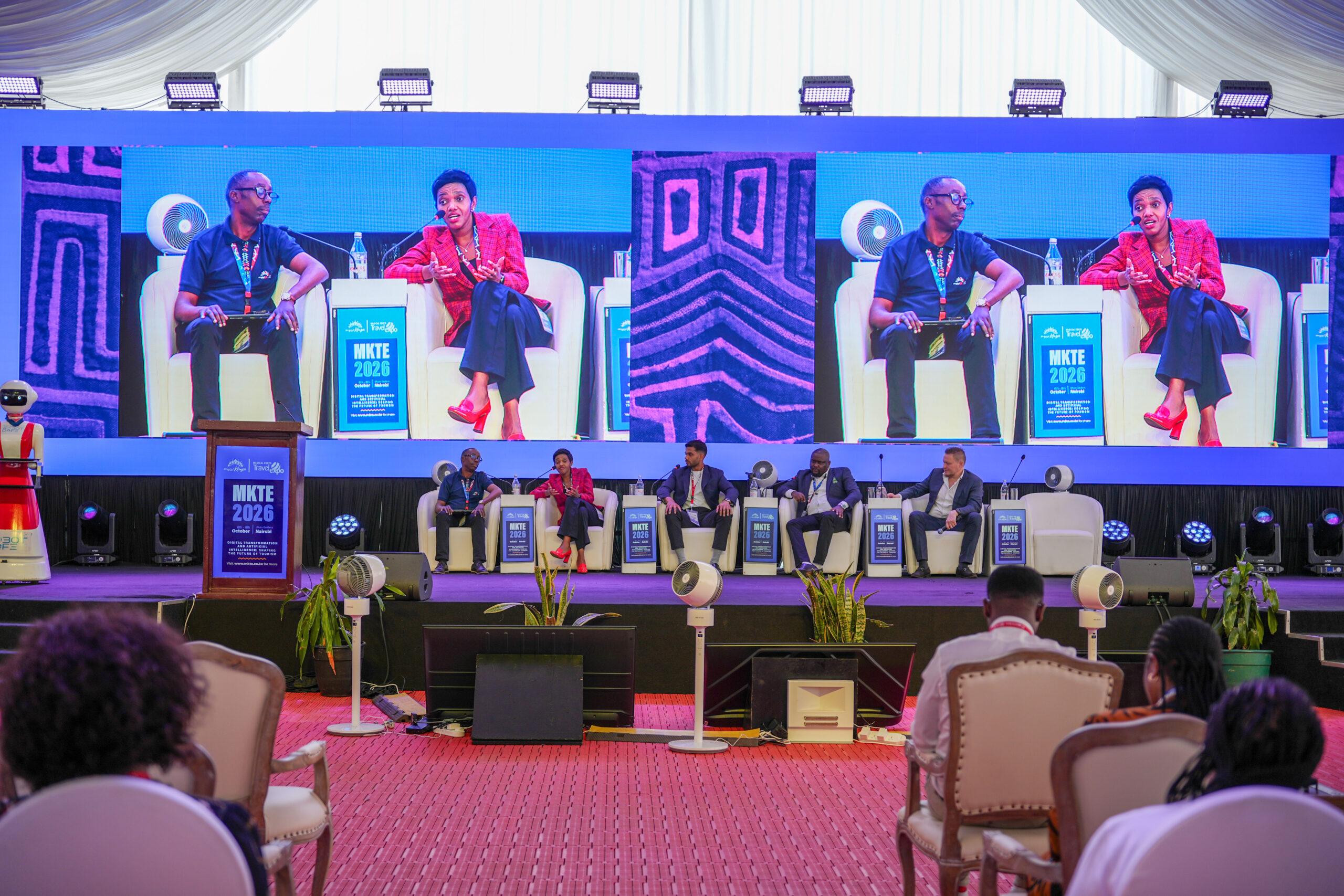
Another session explored digital transformation along the traveller’s journey from destination discovery and planning to booking, the experience itself and post-travel engagement.
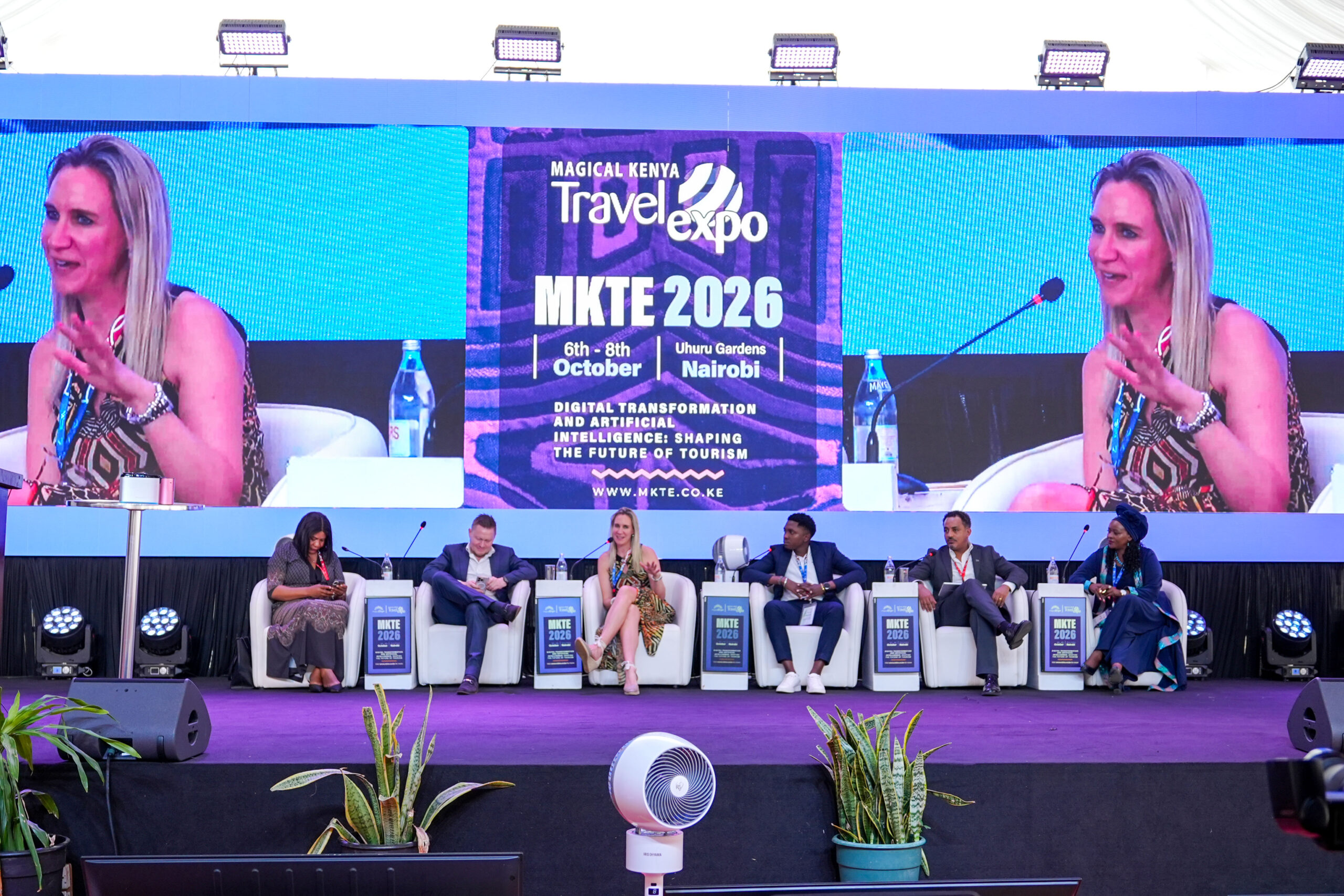
The discussions highlighted the growing importance of digital platforms, data-driven marketing, personalisation and emerging technologies in shaping how travellers discover destinations and make decisions.
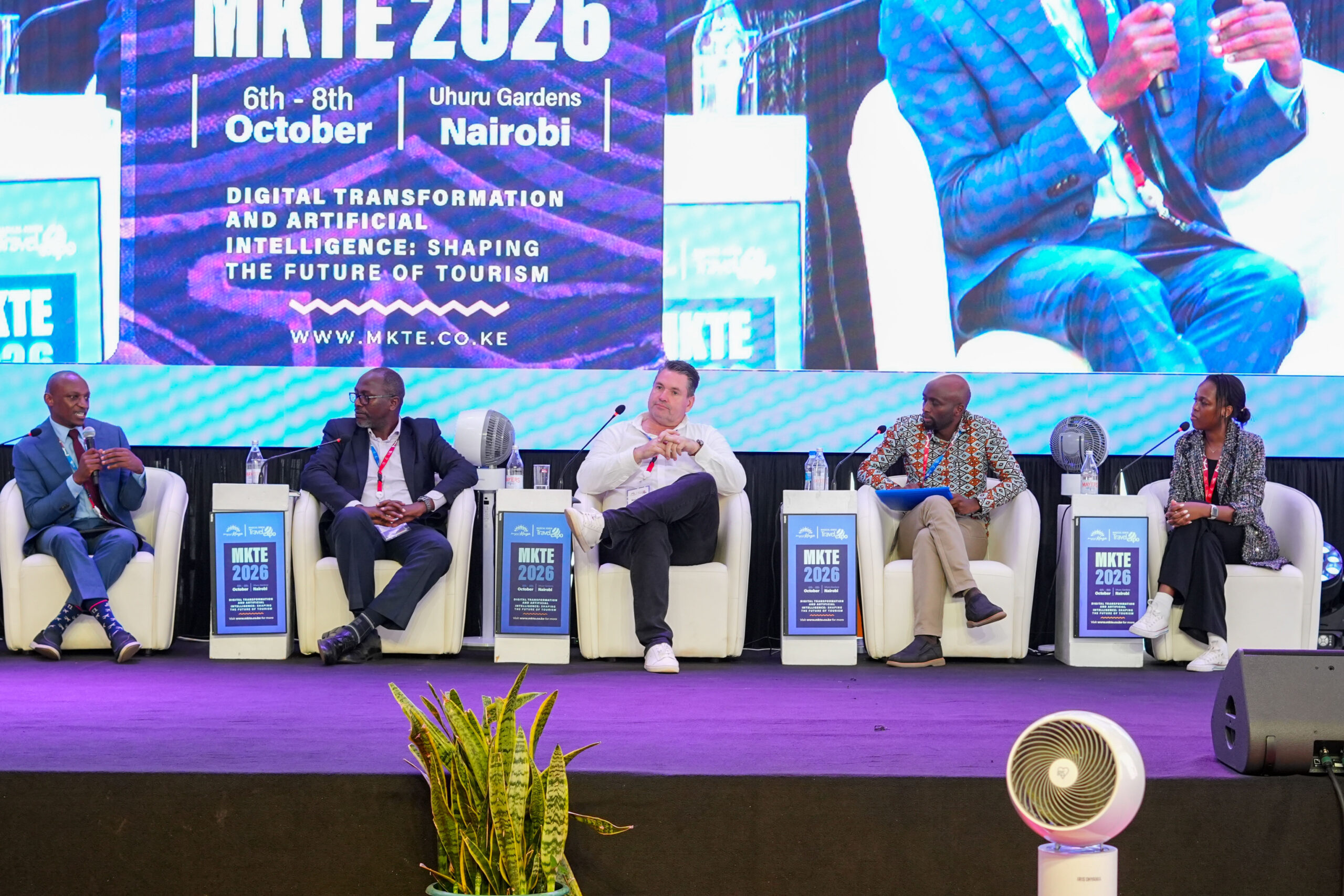
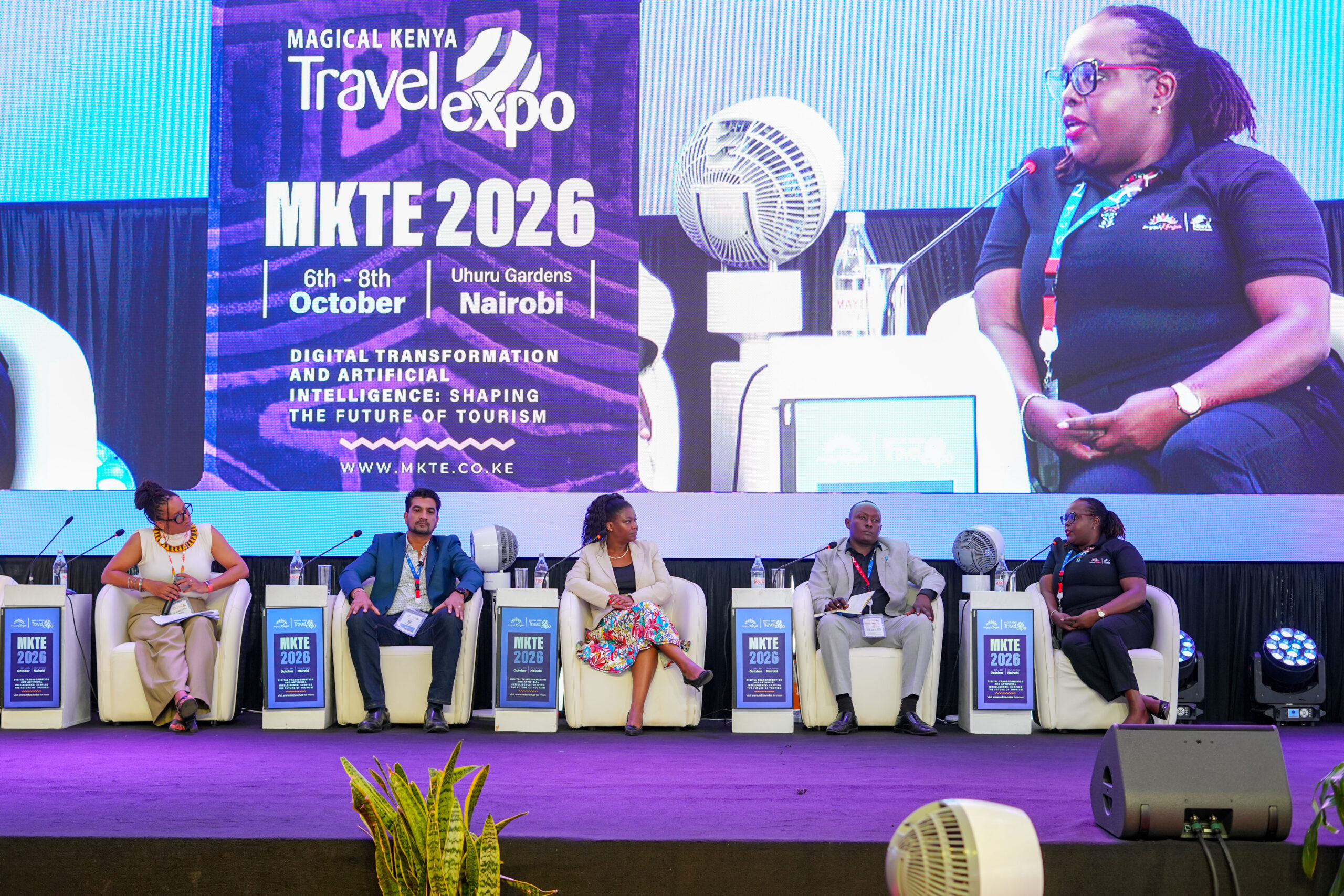
Storytelling as Tourism Growth Engines.
For Kenya, the opportunity lies not only in adopting new technologies, but in using them to communicate more effectively with travellers, improve the visitor experience and broaden access to tourism opportunities.
Culture, creativity and experiences
The expo’s discussions also reflected the growing role of culture, entertainment and creative industries in tourism development.
Culture is increasingly being positioned as an experience in itself, with destinations looking beyond traditional sightseeing to offer travellers deeper engagement with local communities, heritage, music, food, festivals and creative expressions.
The conversations around the creative and entertainment economy highlighted the potential for these sectors to create new tourism products, attract younger travellers and extend the visitor experience beyond conventional attractions.
Kenya’s cultural diversity, entertainment scene and heritage could therefore play an increasingly important role in positioning the country as a destination offering more than wildlife and landscapes.
Sports tourism: Turning Kenya’s sporting heritage into travel experiences

Sports tourism also emerged as an important area of opportunity, building on Kenya’s international reputation in athletics and its growing calendar of major sporting events.
The briefing highlighted opportunities to develop tourism experiences around training camps, athletes’ stories, local communities and the landscapes of the Rift Valley, connecting Kenya’s sporting heritage with destination experiences.
The WRC Safari Rally continues to demonstrate the connection between sport and tourism, while the country is also preparing for the 2027 Africa Cup of Nations, which Kenya will co-host with Uganda and Tanzania.
Kenya is additionally set to host the 2029 World Athletics Championships, further strengthening its position as a destination for major sporting events.
Ambassador Professor Julius Bitok, Principal Secretary for the State Department for Tourism, highlighted the potential of AFCON, noting the scale of the opportunity and the importance of ensuring that the country’s accommodation, infrastructure and tourism stakeholders are prepared to welcome visitors.
Major sporting events, he said, could create significant opportunities for tourism businesses and further strengthen Kenya’s destination profile.
Turning connections into business
While the expo’s discussions focused on the future of tourism, the importance of converting international connections into commercial opportunities remained central.
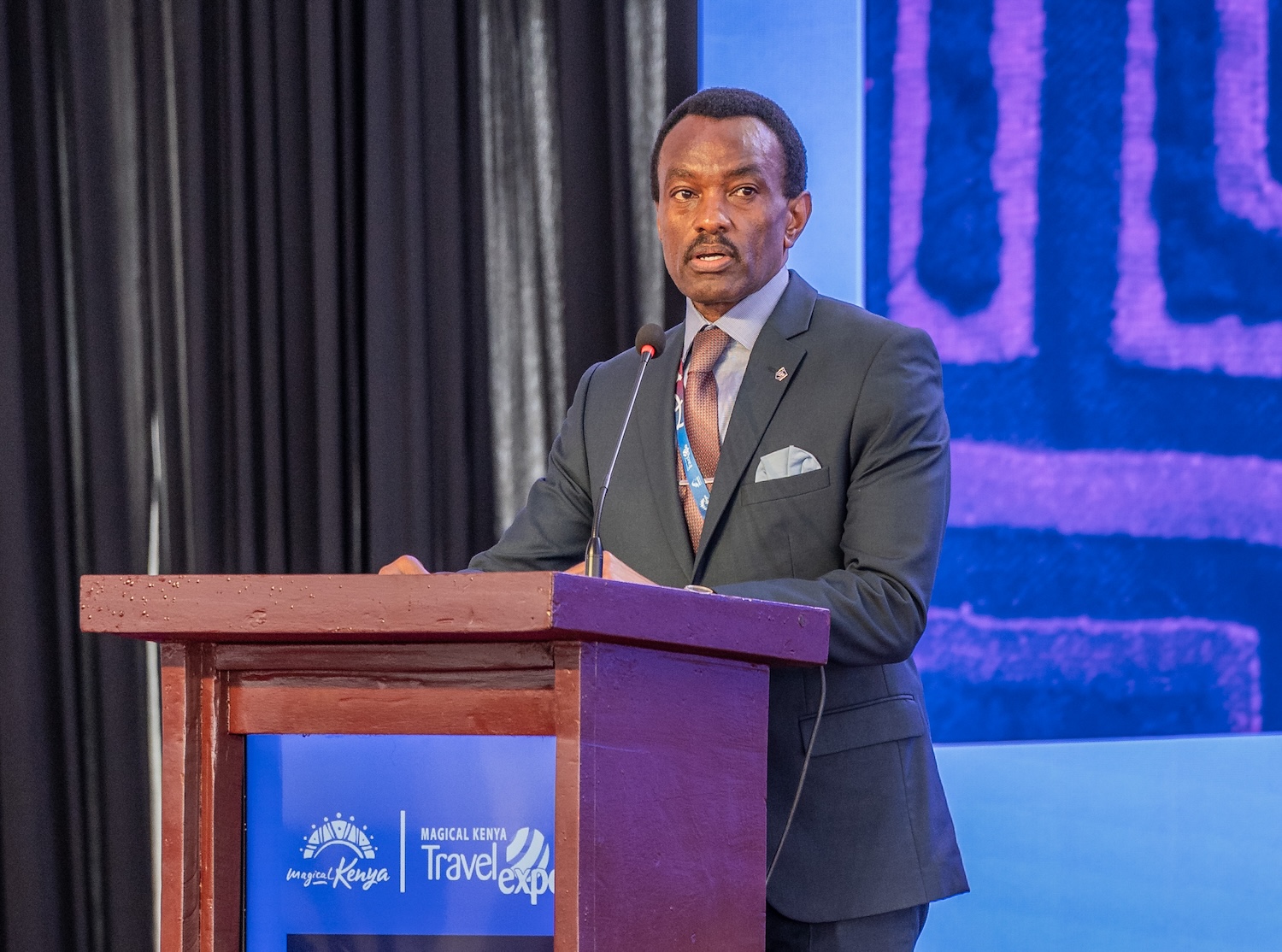
Francis Gichaba, Chairman of the Kenya Tourism Board, said MKTE was created to connect Kenya’s tourism industry with global markets and had evolved into an important African tourism marketplace.
He emphasised that tourism promotion must go beyond visibility and create meaningful commercial outcomes.
“It is not enough for us to just market Kenya; we also must create the right environment for commercial connections to turn this destination into itineraries, bookings, investments, and friendships,” he said.
The message reflected the importance of trade platforms such as MKTE in bringing buyers and suppliers together, creating new partnerships, developing products and opening markets for tourism businesses.
A borderless East Africa

Regional collaboration was another important perspective, particularly through the participation of Uganda’s State Minister for Tourism, Wildlife and Antiquities, Ms Susan Nakawuki Nsambu.
She described Kenya and Uganda as long-standing tourism allies and called for stronger regional cooperation, arguing that East African countries would benefit from marketing the region collectively rather than competing as individual destinations.
“We are better off marketing our region as a single tourist destination than going as individuals,” she said.
Nakawuki also highlighted the need to improve connectivity within Africa and address non-tariff barriers that can make regional travel difficult and expensive.
Her vision was one of a more connected East Africa, where travellers could combine experiences across countries from Kenya’s coastline and wildlife destinations to Uganda’s gorilla experiences and the source of the Nile within a more seamless regional journey.
The message reinforced the potential for multi-country itineraries and collaborative destination marketing to strengthen the region’s competitiveness.
Growth with sustainability at its core
As Kenya expands its tourism offering and embraces technology, sustainability remains central to its long-term vision.
Miano emphasised that tourism growth must go hand in hand with protecting wildlife, landscapes, coastlines, forests, culture and heritage.
She also highlighted the importance of ensuring that communities benefit from tourism development and that technology helps support conservation rather than simply increasing visitor numbers.
The future of tourism, she said, must create greater value from every visitor while safeguarding the destination for generations to come.
Shaping the future of tourism
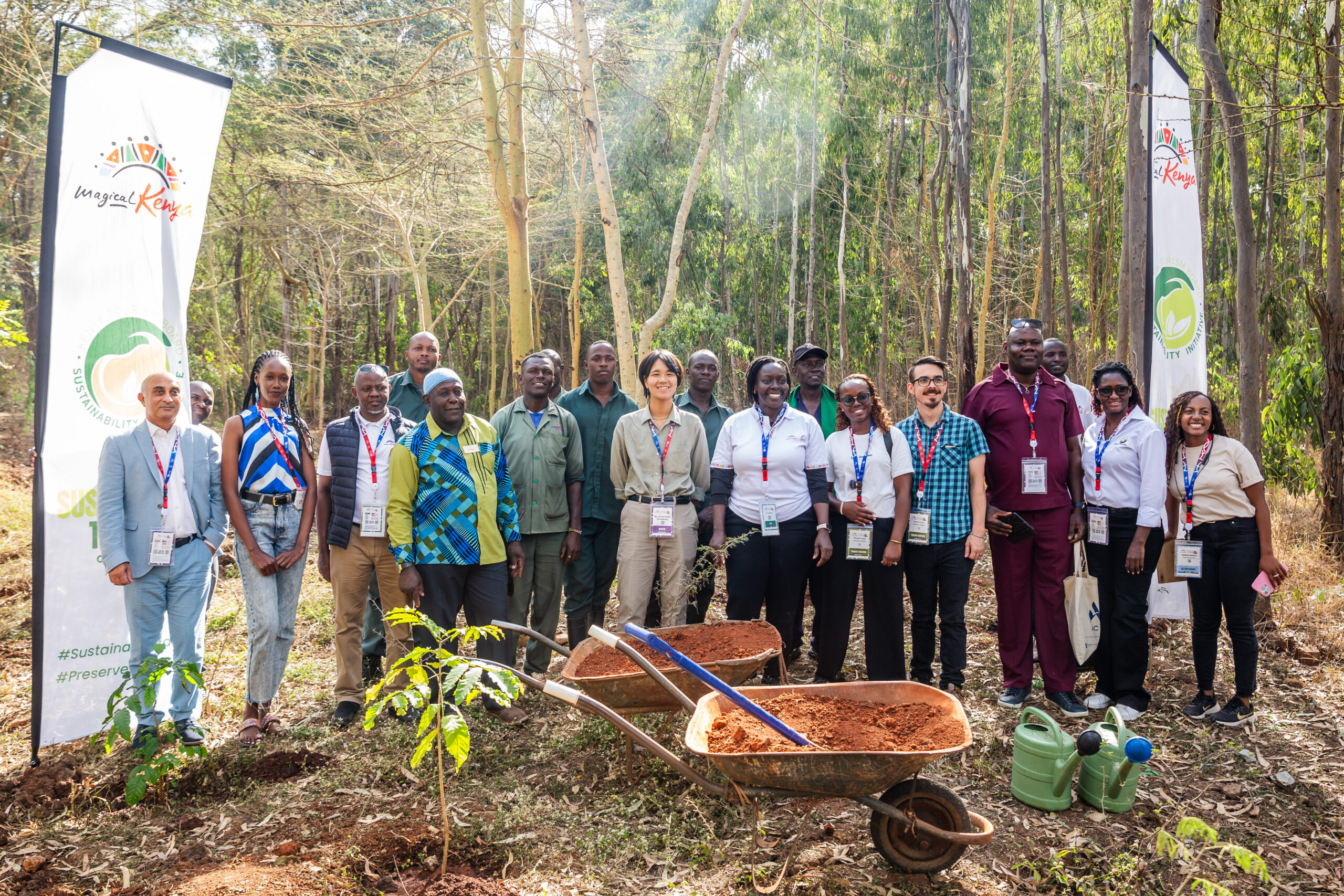
Across the interviews, speeches and seminar discussions at MKTE 2026, a consistent message emerged: Kenya’s tourism future will be shaped by diversification, innovation, collaboration and a more inclusive approach to growth.
From attracting younger Indian travellers and expanding experiences beyond the safari to embracing artificial intelligence, developing sports and cultural tourism, strengthening regional connectivity and ensuring sustainability, the country is looking to position itself for a new era of travel.
The challenge and the opportunity now lie in turning these ideas into experiences, partnerships, products and journeys that travellers can discover, book and experience.
For Kenya, the safari may remain one of its greatest tourism strengths. But the vision presented at MKTE suggests that it is only the beginning.
Read more at TravelMail | Follow us on Facebook | Twitter | and Instagram for on-the-go news.

