
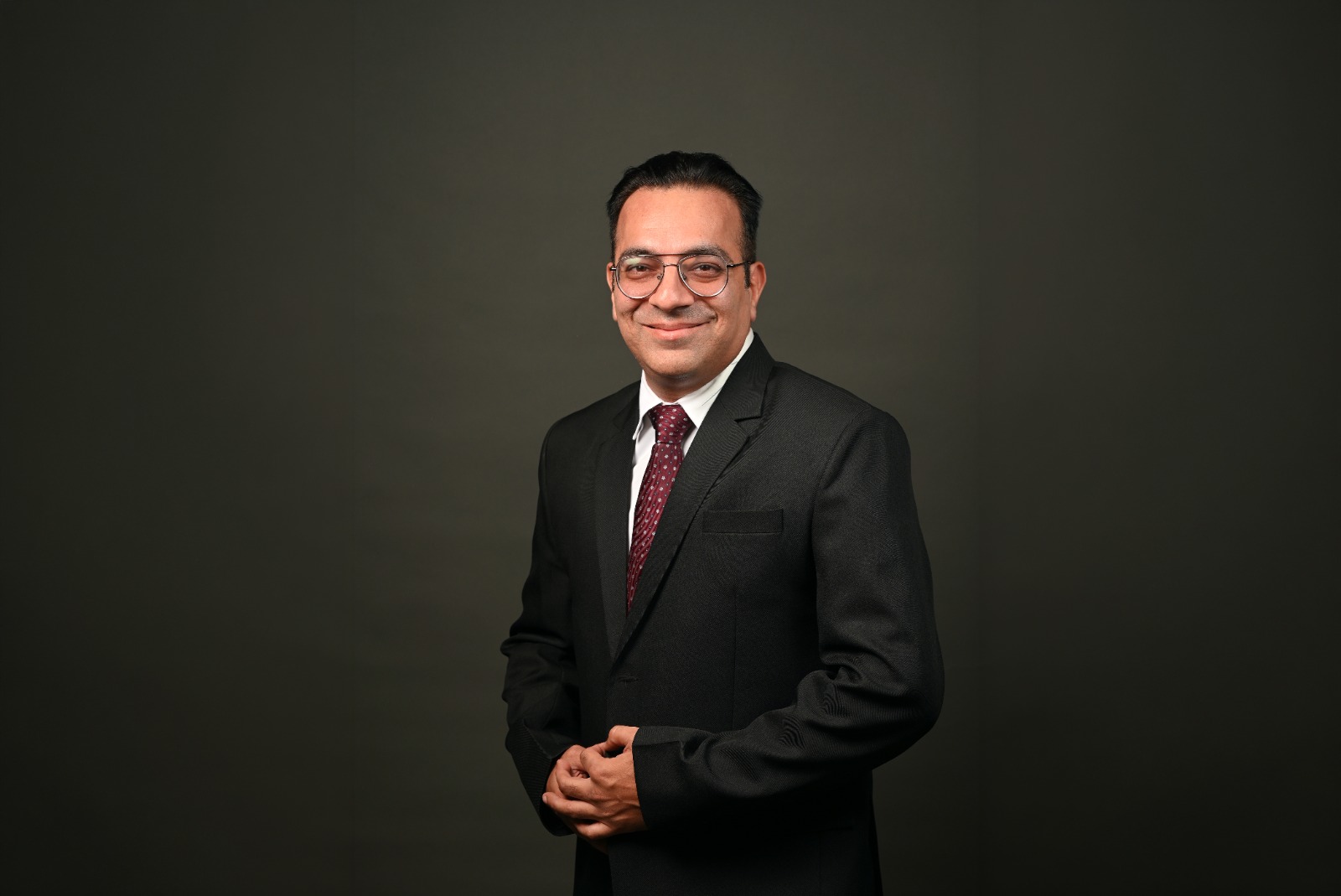
Sandeep Arora, Director, Brightsun Travel
The biggest change in the Indian traveller is not simply that more Indians are travelling overseas. It is that there is no longer one easily defined “Indian traveller”.
Demand is coming from a much wider set of cities, age groups and traveller profiles, and each is approaching travel differently. Someone taking their first international holiday from a Tier II city may prioritise visa ease, direct flights and dependable support.
A frequent traveller from a metro may be looking for a lesser-known destination, a better hotel or a very specific experience. Younger travellers may build an entire trip around food, music or something they discovered online.
That fragmentation is probably the most important change for the travel industry because it makes the traditional one-size- fits-all package much less relevant.
We are already seeing this in outbound travel. Tier II and Tier III markets are becoming much more important, while established travellers are becoming more confident about going beyond the usual destinations and itineraries. Southeast Asia and the Middle East remain strong because accessibility and value matter, but travellers are also increasingly asking about cruises, wellness holidays, road trips, adventure and experiences outside the standard tourist circuit.
Spending behaviour is changing too. Indian travellers are certainly value-conscious, but value no longer automatically means the lowest price. Many are prepared to spend more on a direct flight, a better-located hotel, a private experience or a few extra days if it makes the overall trip better. We are therefore seeing premiumisation, but in a very practical Indian way: people will spend where they can clearly see the benefit.
Another significant shift is how much research the traveller now does independently. By the time many customers speak to us, they have already watched videos, compared hotels, checked airfares and shortlisted experiences. AI will accelerate that behaviour further. It will make discovery, comparison and basic planning easier, and it will also help travel companies personalise recommendations and respond faster.
But I do not think technology makes the travel advisor less relevant. In some ways it changes what the traveller needs from us. They may no longer need someone simply to tell them where to go, but they do need expertise when an itinerary is complicated, a visa is delayed, a flight changes, or the information available online becomes overwhelming or contradictory.
That is where I see the future of the industry. Technology will increasingly handle information and routine transactions; human expertise will become more valuable in judgement, personalisation and problem-solving.
For travel companies, the real challenge will therefore be understanding customers in much greater detail. The next phase of Indian outbound travel will not be defined only by rising numbers. It will be defined by a much more diverse traveller expecting.
Read more at TravelMail | Follow us on Facebook | Twitter | and Instagram for on-the-go news.