
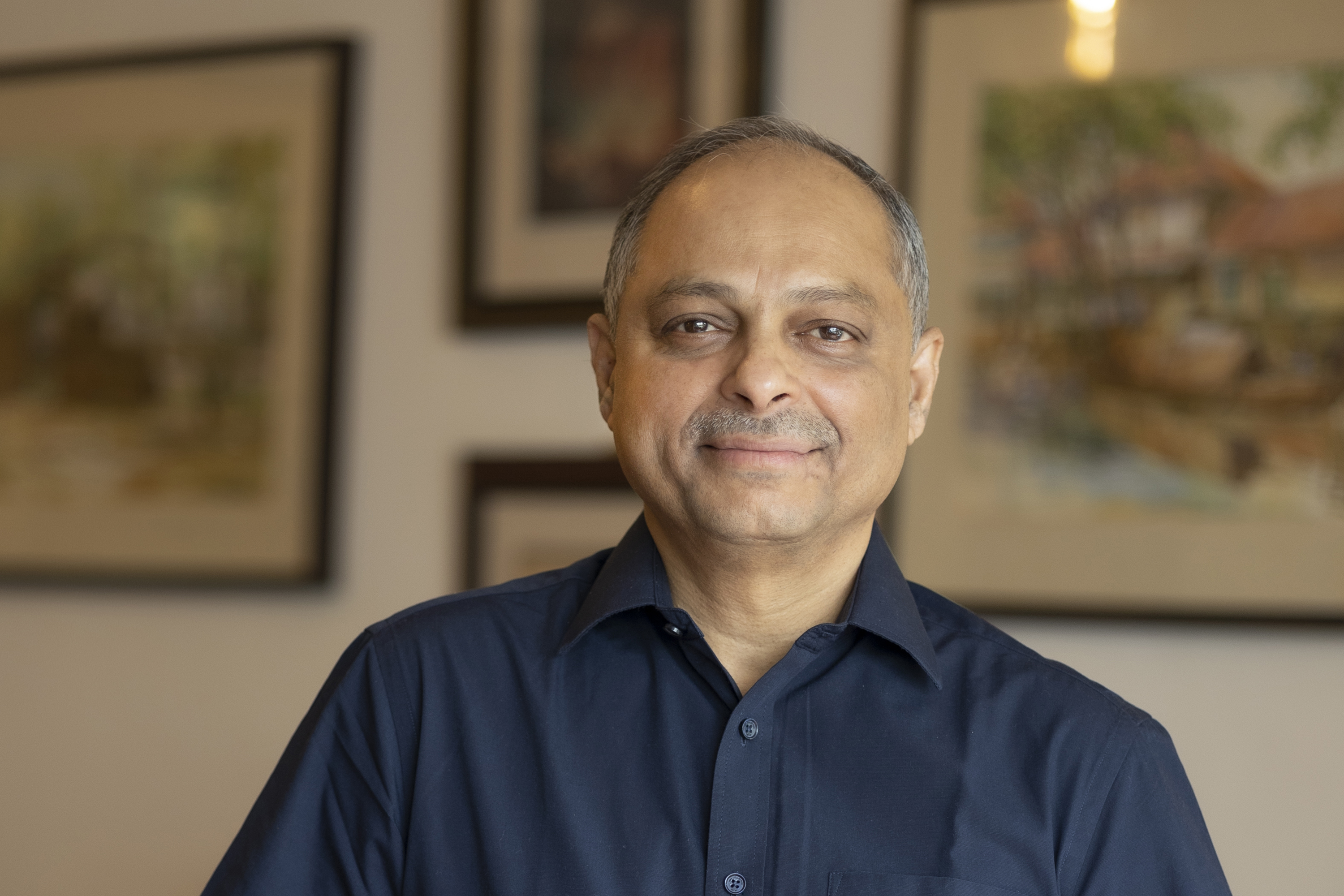
“Technology is making travel more seamless, more personalised and more accessible, but as travel becomes increasingly connected digitally, there is a growing desire for technology to simply do its job quietly in the background. What comes to the fore is the human side of travel. They seek meals laced with local flavours, a conversation with someone who knows the place, a walk through a landscape they had only seen in photographs, or a story that gives them a different understanding of where they are. This is also changing the role of hospitality in today’s digital world. Travellers are becoming more interested in spending meaningful time with a destination and engaging with what makes it distinctive. That calls for experiences that are rooted in the character of a place rather than ones that could be recreated anywhere. Food, architecture, nature, local traditions and most importantly, the people who know a destination intimately can all become part of that connection.
At Evolve Back, we have been working closely with our teams to create stays that leave travellers with a stronger sense of where they have been. The value of a memorable journey is not necessarily in how much you manage to see, but in how much of a place you can help your guests take away with them. Technology can help us discover, plan and experience a destination more seamlessly, but it need not be the experience itself. When it remains in the background, there is more room for the destination, the people and the experiences around us to take centre stage. That sense of place is what ultimately gives travel its meaning.”
– Jose Ramapuram, Executive Director, Marketing, Evolve Back Resorts
“World Tourism Day this year is about how digital tools and AI can redesign travel, and for us that is not a theme; it is how we run the business every single day. But the bigger story in India right now is a simple one. Indians are travelling within the country at a scale we have never seen, and the supply of good places to stay has not kept pace. As per NITI Aayog and the Ministry of Tourism’s June 2026 report on unlocking growth in tourism and hospitality, India recorded 2.9 billion domestic tourist visits in 2024, well past the pre-pandemic peak of 2.3 billion, while a typical hotel project still takes 36 to 48 months to go from approval to opening.
The same report puts branded hotel inventory at under 8 percent of the country’s total lodging rooms. That gap is where professionally managed homestays and villas come in. A well-run private home can be brought to market in months, not years, and it gives a family or a group the space, privacy and flexibility that a hotel room simply cannot. For us, technology is what makes that scale possible without losing the personal touch. Every check-in, every meal, every maintenance call runs on a backend built so the guest never has to think about it. As India travels more, the brands that win will be the ones that treat reliability as the real luxury, and the homestay sector, with the policy support it is finally starting to get, is ready to carry a much bigger share of that demand.”
– Sohail Mirchandani, Chief Operating Officer and Co-Founder, EkoStay

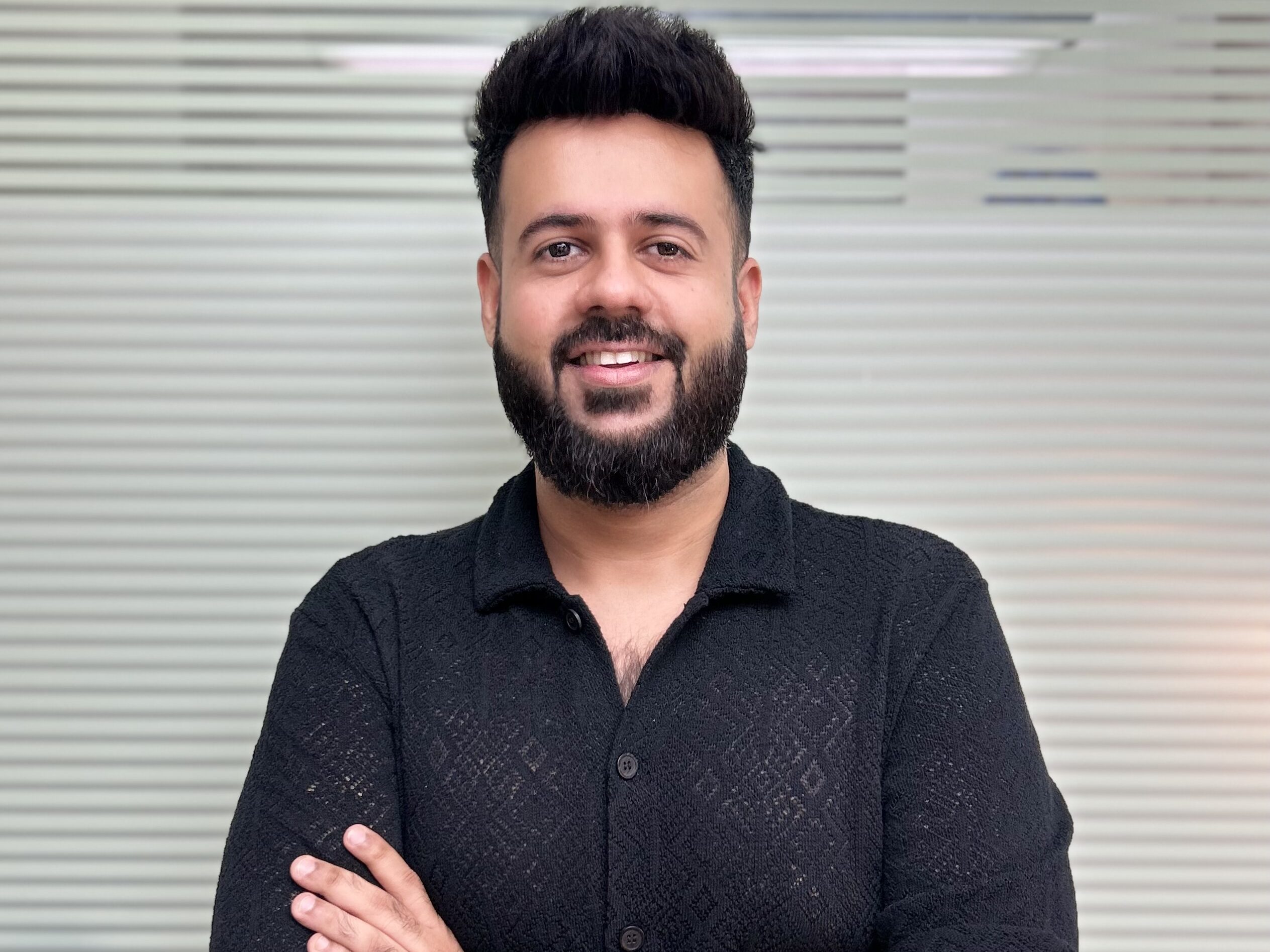
“Travel has moved from being an event to being a habit. People are no longer saving up for one big annual trip. They are taking three or four shorter ones, adding a weekend to a work trip and travelling outside peak season. International travel is growing faster than domestic. That has changed what luggage means. It used to be a once-in-a-decade purchase, often inherited, bought on durability alone. Today it is a considered purchase with a much shorter replacement cycle. Households own multiple pieces in different sizes instead of one large suitcase, with design, weight and colour now sitting alongside price. Cabin-first is the biggest trend. Shorter trips and hand-baggage-only fares have made the cabin bag the primary bag rather than the companion piece. The trip is also no longer single-purpose. A client meeting on Thursday and a beach on Saturday needs one bag that works for both. International travel is raising the durability bar too, with long hauls and multiple transfers exposing weak wheels, handles and zips fast, and consumers getting sharper about spotting that”
– Abhinav Pathak, Co-founder & CEO, Escape Plan
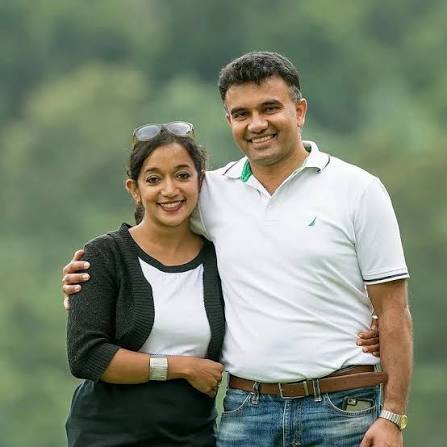
“Tourism today stands at an important inflection point. It is no longer defined simply by the number of people travelling, but by the value that travel creates for destinations, communities, businesses and the traveller. India has tremendous potential in this space, with its diversity of culture, heritage, cuisine, landscapes and increasingly sophisticated hospitality ecosystem. The traveller is also evolving. There is a growing preference for experiences that feel authentic, locally rooted and meaningful, rather than simply checking destinations off a list. This presents a significant opportunity for the Indian tourism and hospitality industry to build destinations and experiences that encourage longer stays, deeper engagement and greater local participation.
The next phase of tourism growth must therefore be about creating stronger tourism ecosystems, where hospitality, local enterprises, culture, food, entertainment and communities come together to create a distinctive sense of place. Responsible development will be equally important, ensuring that the economic benefits of tourism are shared while the character and resources of destinations are protected. At Little Earth Group, we see this as an opportunity to rethink how destinations are experienced and how hospitality can contribute to the larger tourism economy. India has the scale and diversity to become one of the world’s most compelling tourism markets; the focus now should be on building experiences and infrastructure that can sustain that growth over the long term.
World Tourism Day is ultimately a reminder that tourism is not just an industry of movement. It is an industry of connection, opportunity and destination building.”
– Vijay Prabhu, Founder, Little Earth Group
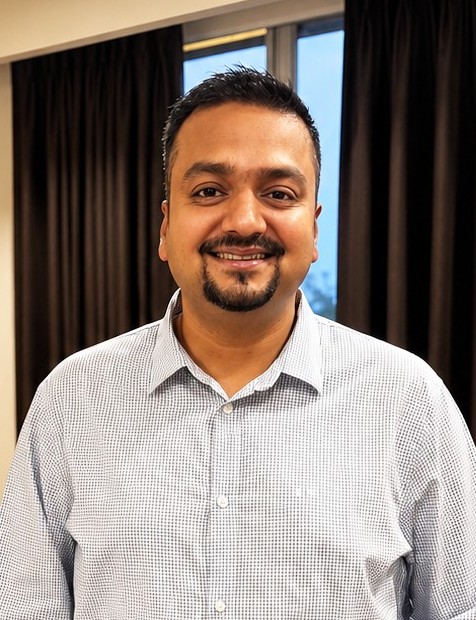
“World Tourism Day is a good moment to ask a simple question: how many of India’s actual destinations does most of our hospitality infrastructure really serve? For years, quality stays have clustered around a handful of metros, while some of the country’s richest travel experiences — spiritual, heritage, adventure and nature — have remained underserved. We believe the next phase of Indian hospitality has to go beyond the traditional hotel markets and move closer to the destinations and experiences travellers are actually seeking. Whether it’s Rishikesh for the traveller chasing the Ganga and the rush of a river rapid, Ujjain and Indore for the spiritual and heritage circuit of Madhya Pradesh, or Gurgaon as a gateway to the lesser-known experiences spread across the Aravalis, we want our network to put a dependable stay closer to where the journey actually leads. Our hotels in Gurgaon, for instance, are not only designed for corporate and social travellers, but also for people looking to discover the trails, heritage sites, lakes, villages and other hidden gems that sit within and around the Aravalis, often just a short drive away.
We also think about the same traveller differently through the week. A corporate guest in Delhi or Indore on a Tuesday can just as easily be a weekend leisure traveller in Rishikesh or Ujjain by Saturday, and our properties are built to serve both occasions without compromise. As this year’s global theme reminds us, technology has a real role to play here too — from how a traveller discovers a destination to how seamlessly they can book and experience their stay. For us, that isn’t a separate innovation story. It is the infrastructure that can support India’s next wave of tourism — connecting business and leisure, metros and lesser-known destinations, convenience and discovery, through one dependable network.”
– Gaurav Gupta, Co-founder, Saltstayz
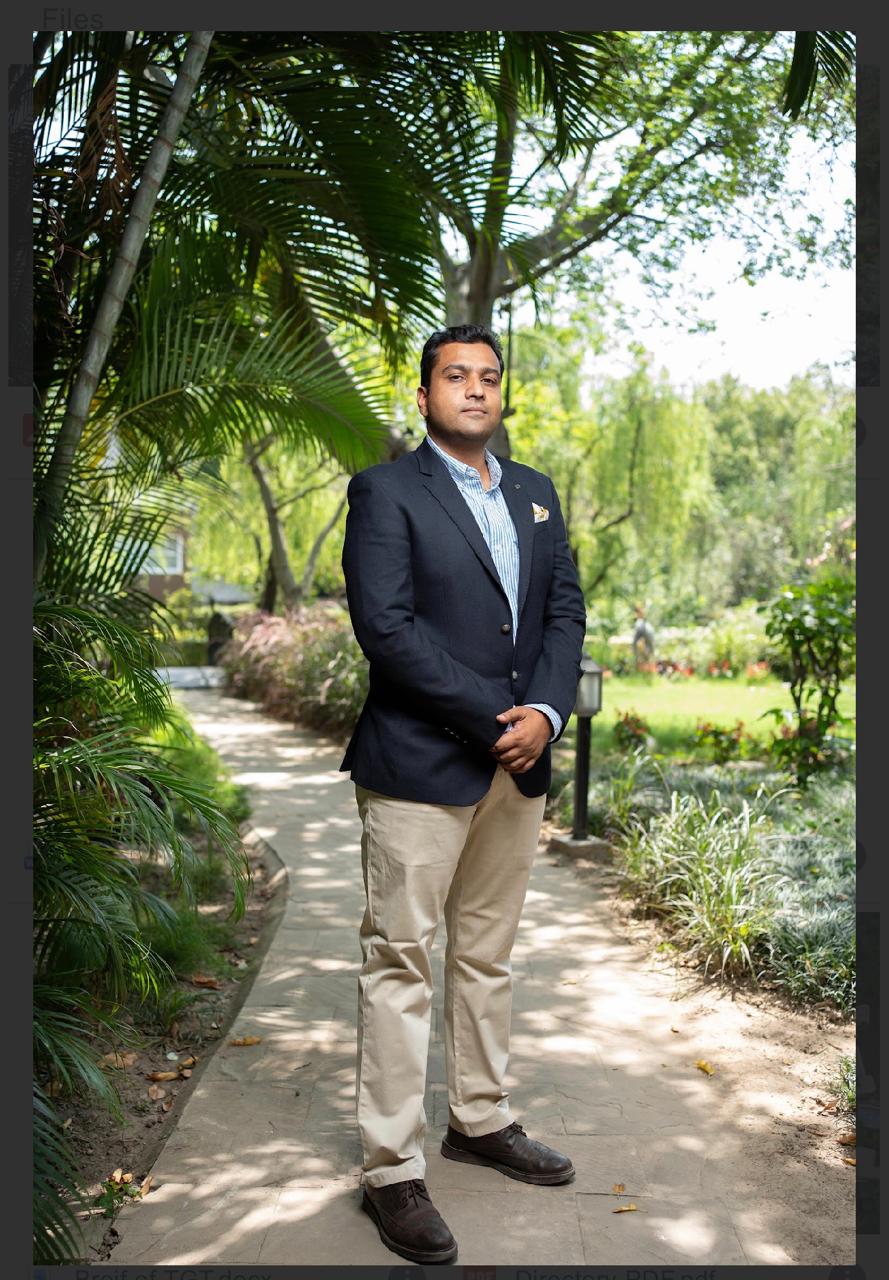
“This World Tourism Day, we’re reminded that Corbett doesn’t just draw travellers for a safari drive; it asks something more of us: to protect the wilderness we’re inviting people into. At The Golden Tusk, every experience we design, from our villas to the conversations we have with guests, carries that responsibility. We’ve seen firsthand how a well-informed traveller becomes a quiet advocate for the forest long after they’ve left, and that’s the real dividend of tourism done right. Every destination needs more people who leave caring about what they saw. Tourism here isn’t separate from conservation.“
– Anirudh Lakhotia, Director, Ivory Destinations (The Golden Tusk and The Chamomile Estate)

“On World Tourism Day, we are reminded that every property in our portfolio carries a living story—from historic forts and havelis that anchored communities, to boutique retreats, nature lodges, and wildlife sanctuaries dedicated to preserving fragile ecosystems. At WelcomHeritage, our role across our collection of heritage, nature, and wildlife retreats goes beyond hospitality; it is one of active stewardship.
In a country as culturally and naturally rich as India, responsible tourism is the catalyst that breathes new life into historic structures, creates sustainable livelihoods, and protects vital natural habitats. Across all our properties, we remain committed to ensuring these spaces remain vibrant and cared for—delivering authentic experiences for today’s travellers while safeguarding India’s heritage and environment for generations to come.”
– Mr Abhishek Bhattacharya, Sales, WelcomHeritage Hotels

“World Tourism Day is a good moment to recognise how much the Indian traveller has changed. Travel today is less about ticking off destinations and more about time spent together, whether it is three generations under one roof or a group of friends reconnecting over a long weekend. Private homes have become the heart of that experience. At StayVista, we see guests choosing a villa in the hills of Igatpuri or a plantation estate in Coorg not as a place to sleep, but as the reason for the trip itself. That, to us, is the future of Indian hospitality.”
– Amit Damani, Co-Founder, StayVista
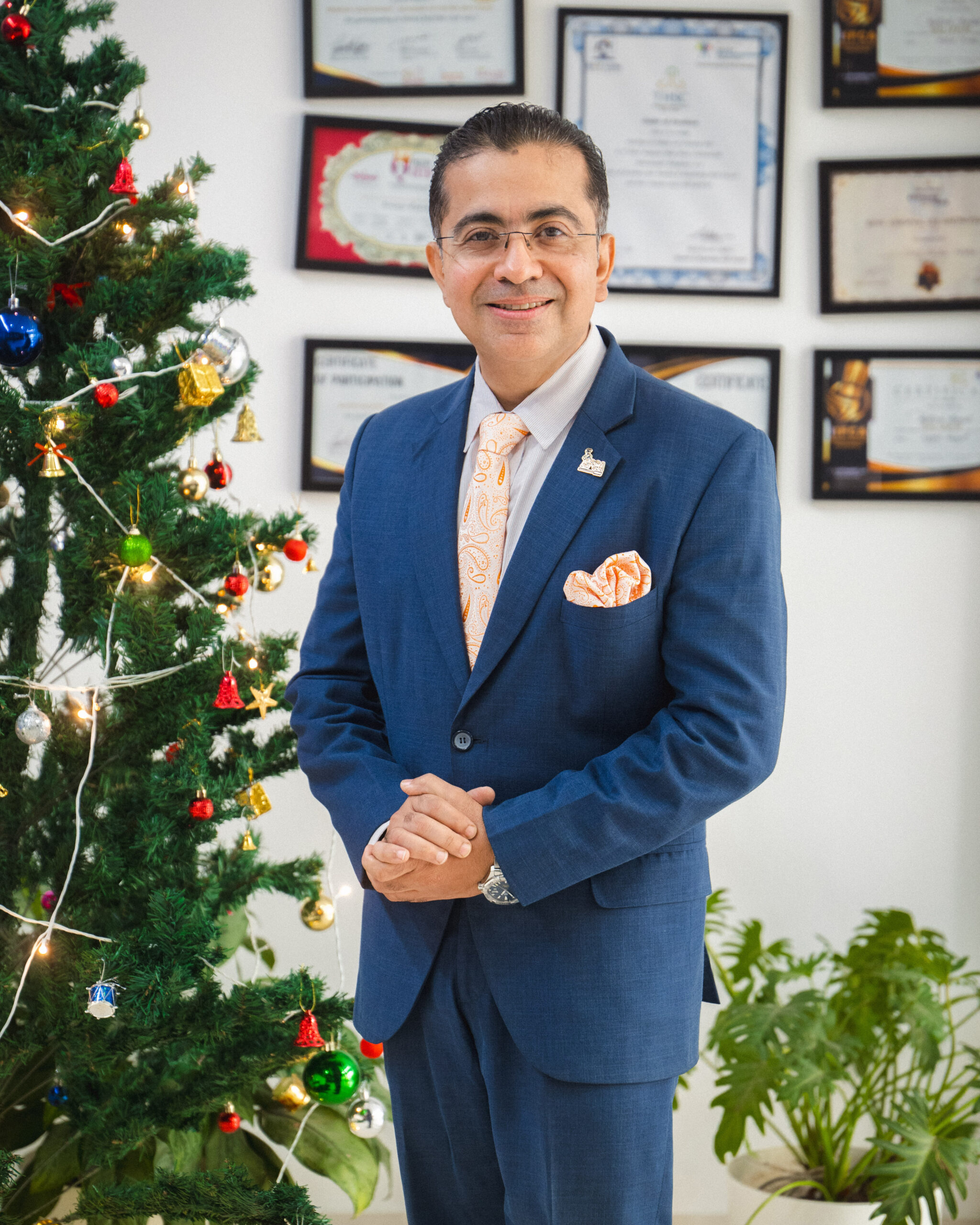
“India’s travel and tourism landscape is evolving rapidly, with travellers moving beyond conventional stays to seek experiences that are personalized, authentic and purposeful. For hospitality leaders, this means looking at the entire guest journey—from discovery and planning to accommodation, dining and experiences. Artificial Intelligence will increasingly help hotels anticipate preferences, personalize recommendations and make the travel journey more seamless. However, technology must remain an enabler; the warmth, intuition and human connection that define hospitality cannot be automated. Food and beverage will also play a larger role in shaping destination experiences.
Travellers are increasingly curious about regional flavours, local ingredients and culinary traditions, creating opportunities for hotels to showcase the identity of a destination while supporting local producers and communities. At the same time, sustainability must move beyond isolated initiatives and become embedded in everyday operations—from energy and water efficiency to responsible sourcing and food-waste reduction. The future of tourism will ultimately depend on how well we balance innovation with authenticity, efficiency with responsibility, and technology with genuine human connection. For hospitality leaders, the opportunity is to anticipate evolving expectations and create experiences that guests remember long after their journey ends.”
– Mr. Gaurav Shiva, GM, The Orchid Hotel Mumbai
Read more at TravelMail | Follow us on Facebook | Twitter | and Instagram for on-the-go news