
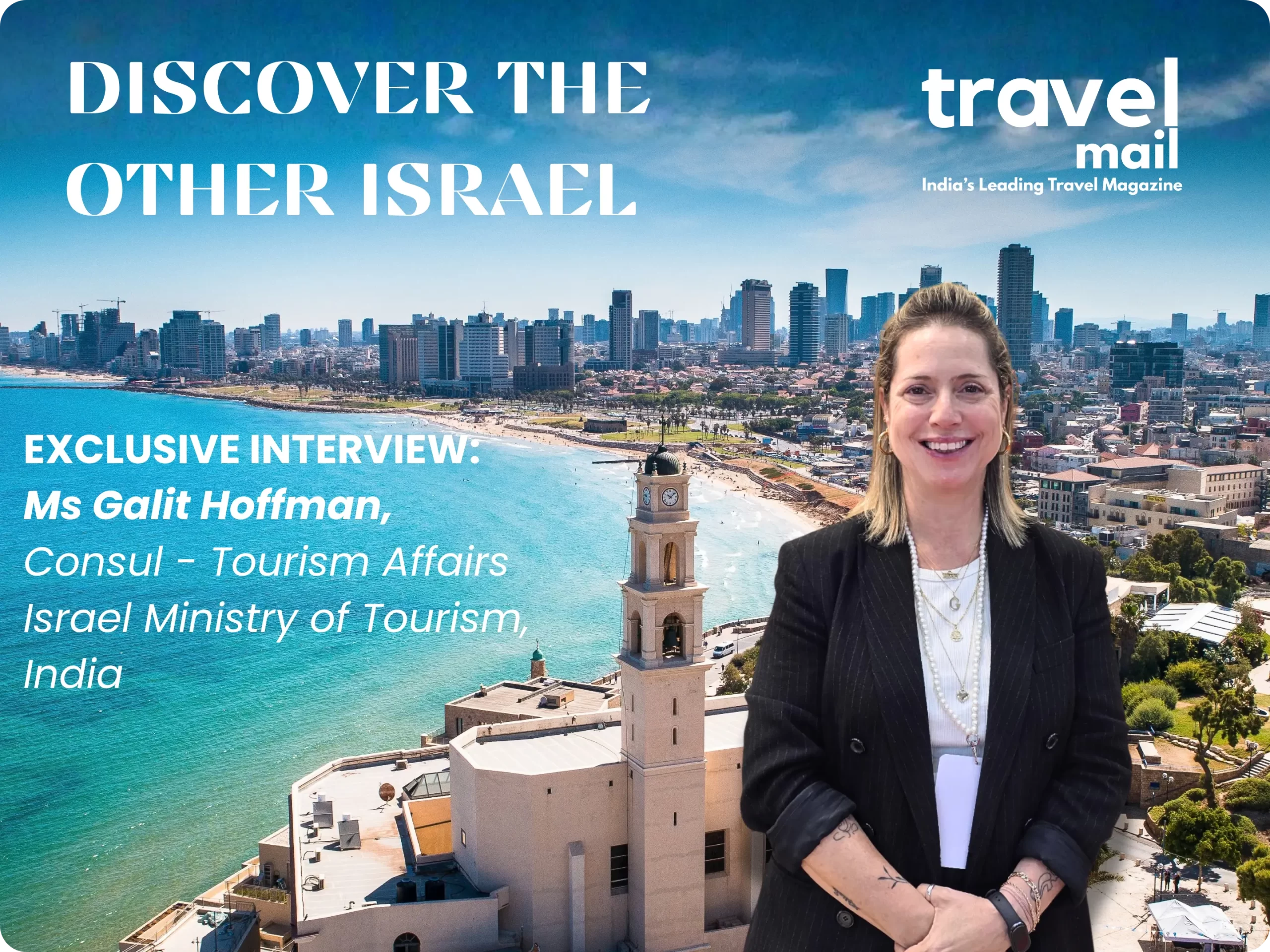
Galit Hoffman on Israel’s evolving India strategy, new tourism experiences and the road to 100,000 Indian visitors
Exclusive Interview | Ms Galit Hoffman, Consul – Tourism Affairs, Israel Ministry of Tourism, India
For Indian travellers, Israel has long been associated with pilgrimage and its revered holy sites. But the destination’s tourism proposition extends well beyond spirituality, bringing together beaches, nightlife, culinary experiences, adventure, culture and business tourism.
For Ms Galit Hoffman, Consul – Tourism Affairs, Israel Ministry of Tourism, India, broadening this understanding is an important part of Israel’s engagement with the Indian market.
Hoffman brings a particularly deep understanding of India. Now in her eighth year in the country, she spent six years in Delhi, including two years as spokesperson at the Israeli Embassy and four years representing Israel’s Ministry of Defence, before moving into tourism. She is now based in Mumbai, bringing experience across government, media and the private sector to her current tourism role.
In an exclusive conversation with Travel Mail, Hoffman spoke about the evolving Indian traveller, Israel’s opportunities in leisure and MICE, destination weddings, film tourism, lesser-known destinations and the ambition to welcome 100,000 Indian visitors.
FROM TEL AVIV TO THE DEAD SEA
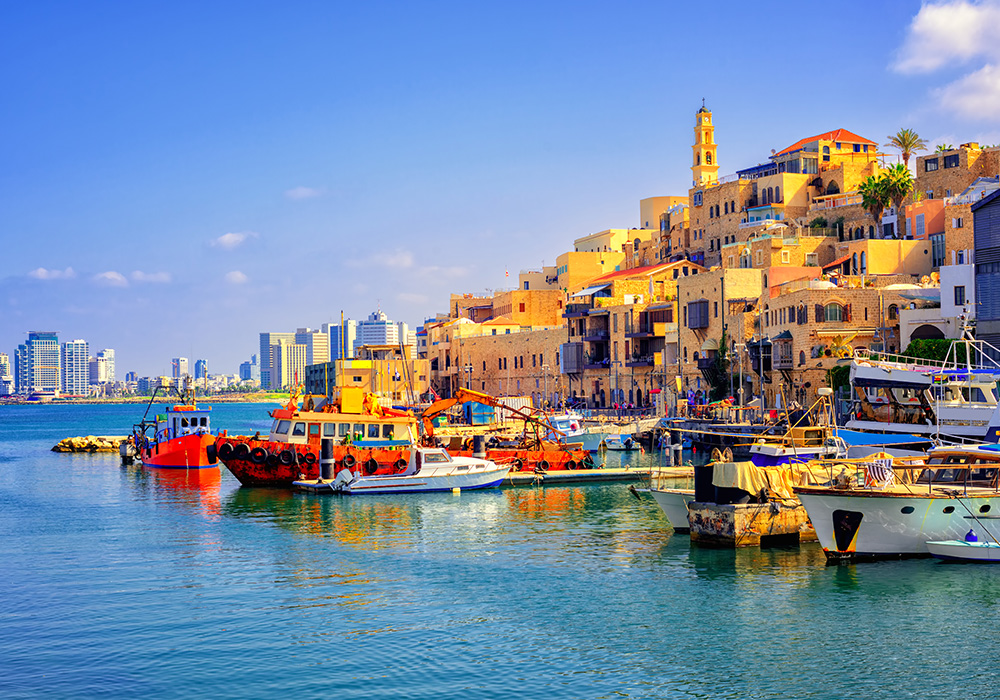
For Hoffman, Israel’s appeal to Indian travellers extends well beyond its identity as the Holy Land. While the country’s holy sites remain an important draw, she believes Israel has a much broader proposition, combining culture, nature and adventure within a compact destination.
“You can come for the holy places, but you will definitely find much more afterwards.”
Tel Aviv, she points out, brings together beautiful beaches, nightlife, history, culture, music and culinary experiences. The Dead Sea offers the distinctive experience of floating in its waters, while the northern mountains offer skiing and the Red Sea in the south provides opportunities for diving.
The variety, she believes, allows Israel to appeal to different traveller profiles. Families can combine history and culture with nature and adventure, while younger travellers and Gen Z can discover Tel Aviv’s nightlife and contemporary experiences.
For Indian travellers specifically, however, Hoffman sees another advantage that goes beyond the tourism product itself.
A connection beyond government
The India and Israel relationship, according to Hoffman, is not limited to government or defence ties. Having lived in India for eight years, she sees a strong cultural connection between the people of both countries.
“The most unique thing about Israel and India is the people-to-people connection.”
She points to similarities in family values, dinner gatherings and the warmth and openness of both cultures. Her own experience of living and working in India has reinforced that connection, with Hoffman describing how welcomed she has felt during her years in the country.
For her, this familiarity can become an important part of the destination story, which gives Indian travellers another reason to feel comfortable discovering Israel.
Leisure meets MICE
Leisure remains one of the key segments in Israel’s India strategy, but Hoffman also sees potential in MICE and business travel.
Israel offers convention infrastructure and hospitality in destinations such as Tel Aviv and Jerusalem. Hoffman also highlights the country’s established conference ecosystem across sectors including cyber security, agriculture and water technology.
The opportunity lies in combining business with leisure: travellers attending conferences or corporate events can also experience Israel beyond the meeting venue, bringing together professional commitments with the country’s cultural, historical and tourism attractions.
Hoffman also believes the Indian MICE market can benefit from looking beyond the destinations that have traditionally dominated the segment and exploring new experiences and locations.
Looking further from the familiar
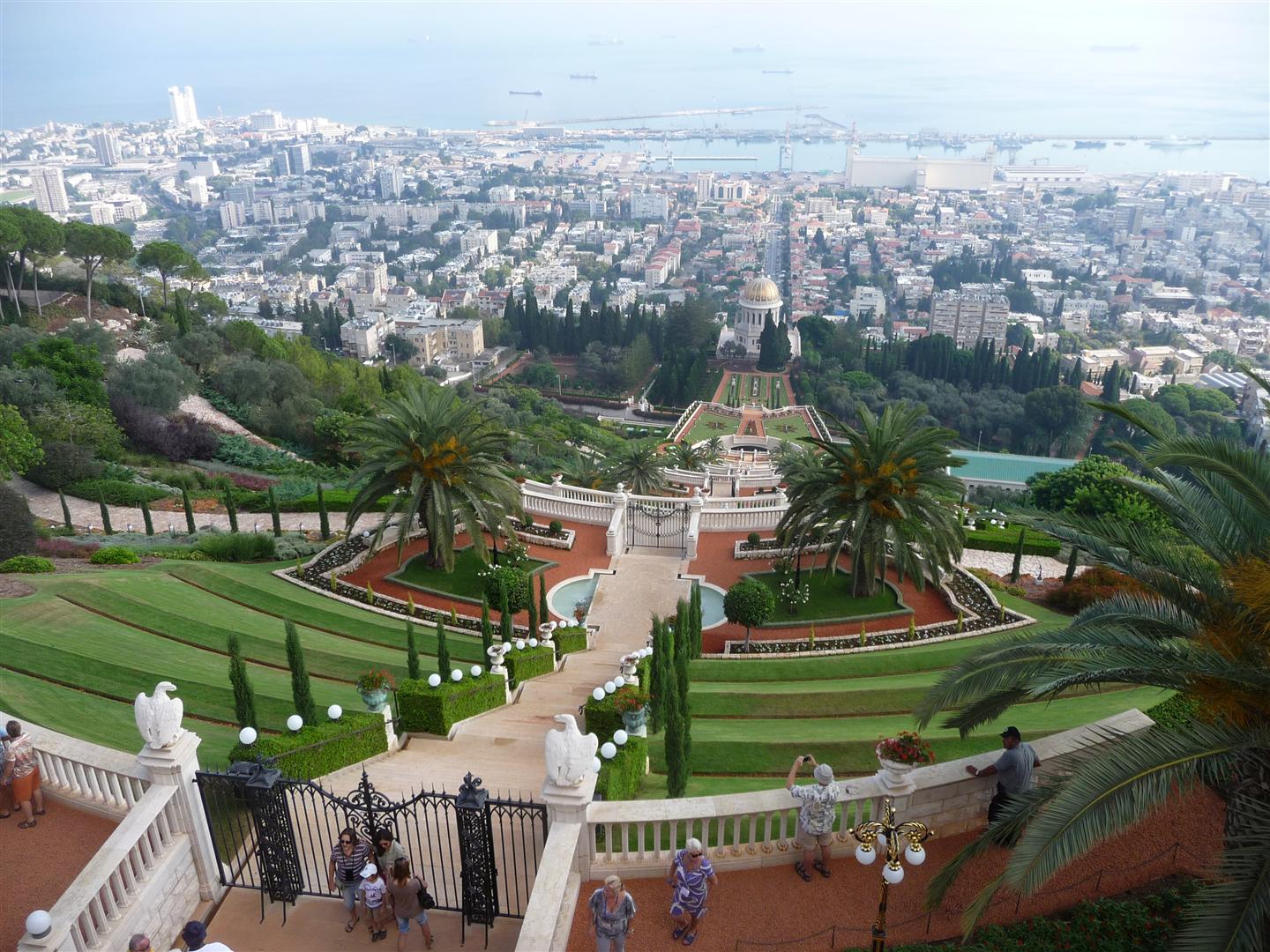
While Tel Aviv and Jerusalem remain important parts of an Israeli itinerary, Hoffman wants Indian travellers and the trade to look further. She highlights Haifa, in northern Israel, with its Bahá’í Temple and Gardens, as well as the Sea of Galilee and the Dead Sea.
Further south, Eilat, located alongside the Red Sea, offers diving and marine experiences. As a diver herself, Hoffman is particularly enthusiastic about the region.
“As a diver who has travelled around the world, I can say there is nothing quite like the Red Sea.”
In the north, Mount Hermon offers skiing, adding yet another dimension to Israel’s tourism proposition.
For a seven-day itinerary, Hoffman suggests combining Tel Aviv, Jerusalem, the Dead Sea, Haifa and the Sea of Galilee. It brings together urban experiences, spirituality, nature and culture.

Weddings, films and the power of pop culture
India’s destination wedding and entertainment industries represent another area of potential for Israel.
For Hoffman, the destination’s strength lies not in competing purely on individual attributes such as beaches or shopping, but in the unusual combination of experiences available.
Tel Aviv, for example, combines technology and innovation with beaches, restaurants, nightlife, cultural events, film festivals and culinary festivals. That blend, she believes, creates a distinctive proposition for Indian celebrations and events.
The same idea extends to the film industry. The popularity of Film Series like Fauda in India has already introduced Indian audiences to an aspect of Israeli culture and landscape, and Hoffman says IMOT is working with the film industry to explore greater engagement with Indian productions.
“I would love to see Bollywood come to Israel to shoot films and music videos.”
Her Mumbai base is particularly relevant to this ambition, putting the tourism office closer to India’s film industry. While incentives remain an area that requires further work, Hoffman sees clear potential for greater collaboration.
And there is one particularly ambitious personal goal:
“I want to bring Amitabh Bachchan to Israel.” – Hoffman notes that the Bollywood icon is hugely popular in Israel.

Photo by Dafna Tal
The road to 100,000
The ambition for the outbound market is clear.
According to Hoffman, Indian arrivals to Israel reached almost 70,000 visitors annually before COVID-19. Looking ahead, the target is to reach 100,000 Indian visitors.
Getting there, however, will require more than destination promotion. Hoffman acknowledges the need to rebuild confidence following the conflict period and, importantly, reconnect the Indian travel trade with the destination.
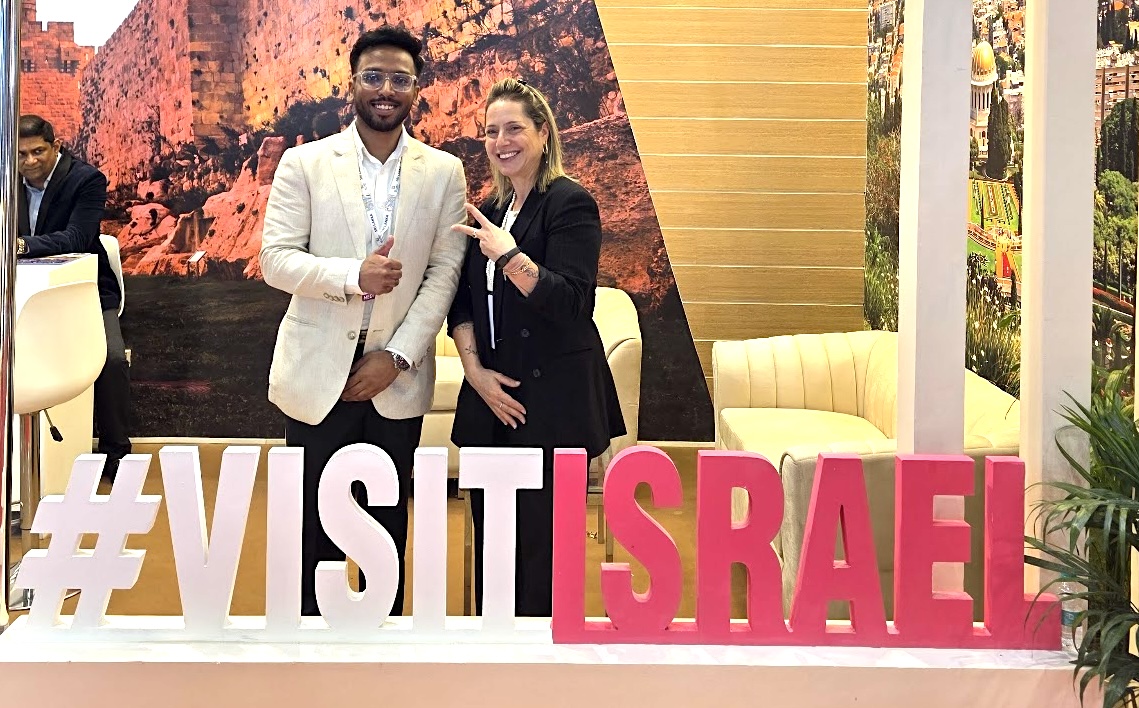
IMOT is therefore focusing heavily on trade engagement and destination education. Roadshows are planned in Bengaluru, Mumbai and Delhi, alongside a major webinar, participation at travel exhibitions and multiple FAM trips, including a luxury travel-agent programme.
The objective is to allow travel agents and tour operators to rediscover Israel and understand the breadth of experiences available to Indian travellers.
For Hoffman, the next chapter of Israel’s India story is ultimately about moving beyond what’s familiar and encouraging Indian travellers to see a destination where spirituality, culture, leisure, business and adventure can all form part of the same journey.
The Traveller’s Israel
Read more at TravelMail | Follow us on Facebook | Twitter | and Instagram for on-the-go news

