
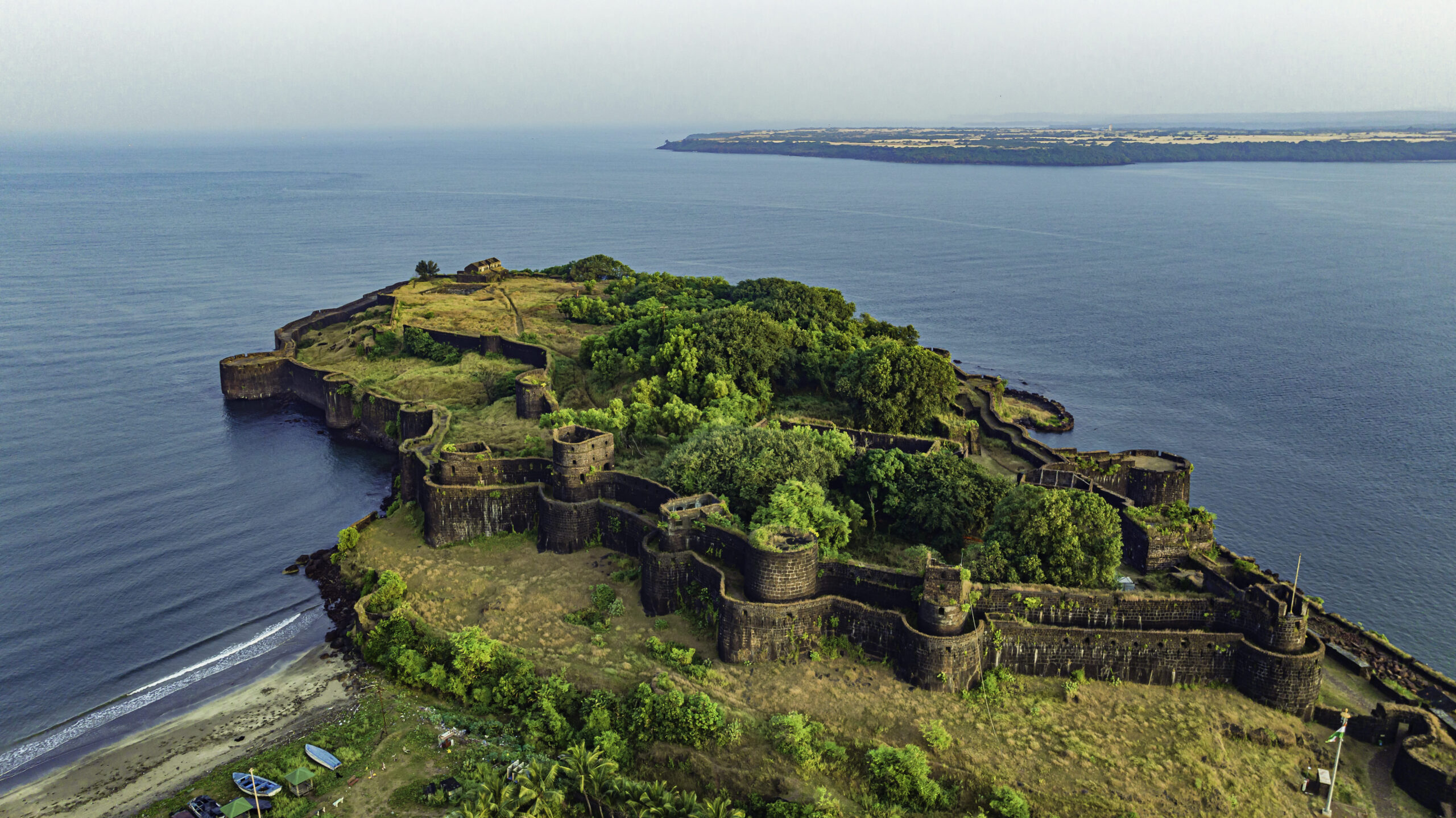
Maharashtra does not announce itself all at once; it reveals itself gradually. Here, one can move through several different versions of India in one place and experience such diverse experiences within easy reach. Within a few hours, one can travel from the Arabian Sea to the forested ranges of the Sahyadris, from UNESCO-recognised heritage sites to national parks, from deeply spiritual pilgrimage paths to some of India’s most vibrant cultural events. Maharashtra is not a destination to rush through. Its charm draws you back, inviting you to return again and again.
UNESCO Heritage – Where History Is Experienced, Not Observed
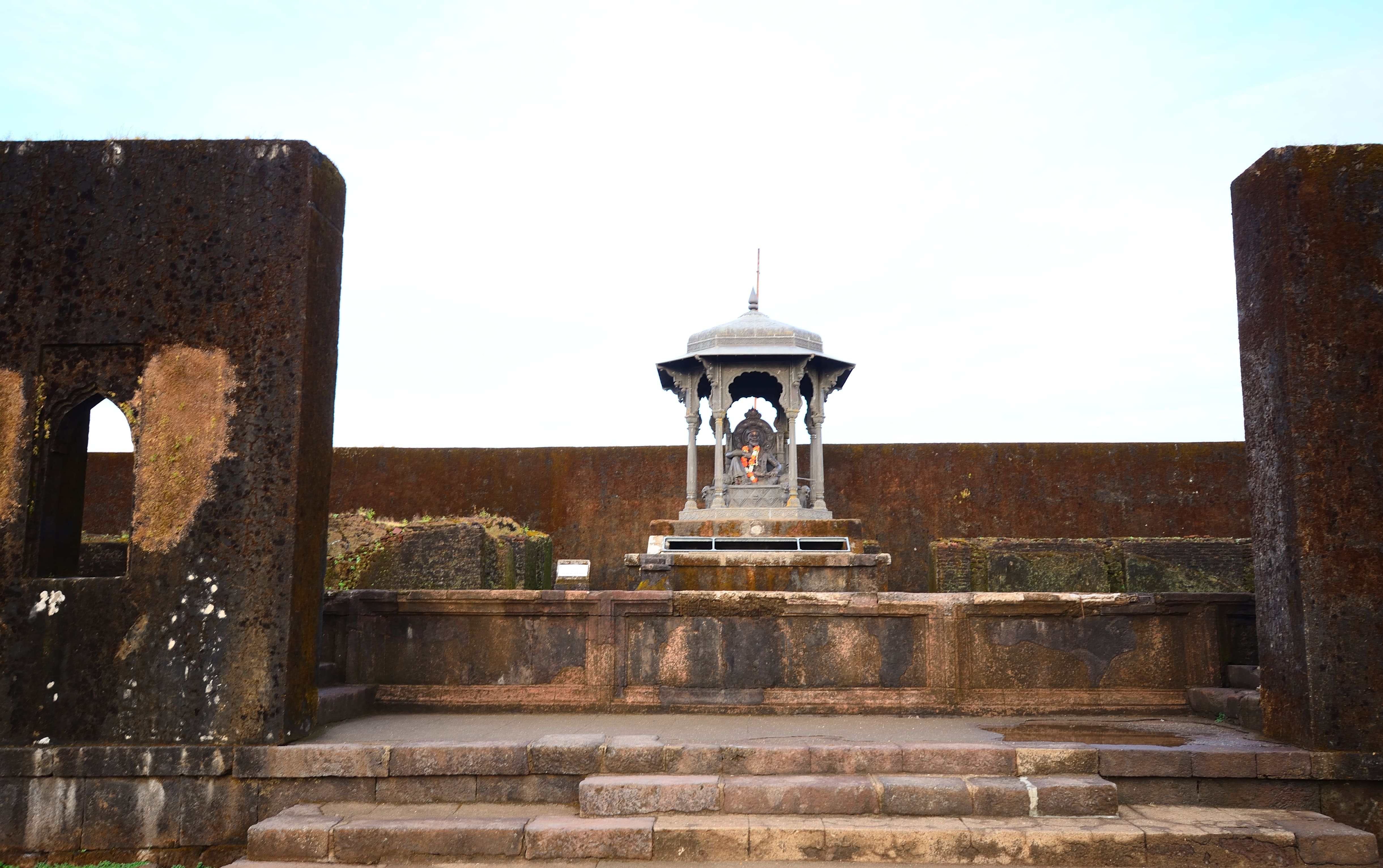
Maharashtra’s heritage invites you to step into history. Across its varied terrain, coastal islands, Sahyadri peaks, basalt cliffs, and forested plateaus, the state’s UNESCO World Heritage Sites transform memory into lived experience. Its 11 forts—Salher, Shivneri, Lohgad, Khanderi, Raigad, Rajgad, Pratapgad, Suvarnadurg, Panhala, Vijaydurg, and Sindhudurg—are part of the 12 forts that come under the UNESCO-recognised “Maratha Military Landscapes of India.” In Marathwada, the extraordinary Ajanta Caves and Ellora Caves offer a deeper, quieter encounter with history. Carved directly into basalt cliffs, these UNESCO heritage sites are not only architectural achievements but also living records of India’s spiritual and artistic evolution.
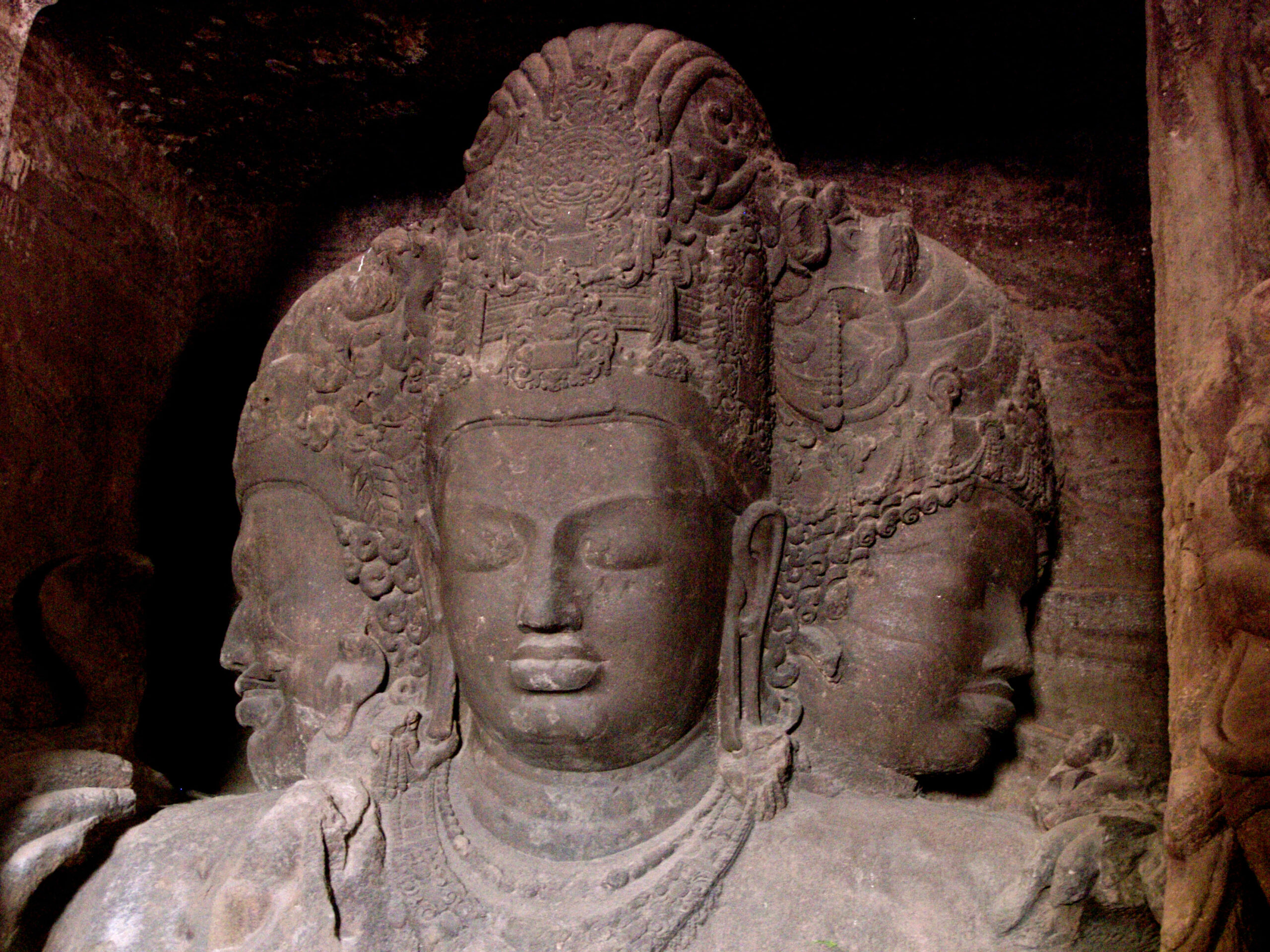
Meanwhile, the Victorian Gothic and Art Deco Ensembles of Mumbai represent another chapter of the city’s history. The late 19th- and early 20th-century buildings framing Oval Maidan, including courts, universities, and residential blocks, blend European architectural idioms with Indian craftsmanship. Off the coast of Mumbai, the Elephanta Caves rise from Elephanta Island as another masterpiece of rock-cut architecture recognised by UNESCO. The colossal Trimurti sculpture of Shiva, carved within a pillared cave temple, reflects sculptural finesse and theological depth. In addition to its monumental sites, Maharashtra also has living ecosystems as part of its UNESCO heritage. Parts of the Western Ghats within the state are part of the transnational UNESCO site, one of the eight “hottest hotspots” in the world for biological diversity.
Sacred Routes & Celebrations That Define Community
Faith in Maharashtra is not only within the boundaries of temples—it moves, but it also sings, it walks. Maharashtra proudly hosts five of the twelve sacred Jyotirlingas of Lord Shiva: Trimbakeshwar (Nashik), Bhimashankar (Pune), Grishneshwar (Chhatrapati Sambhaji Nagar), Aundha Nagnath (Hingoli), and Parli Vaijnath (Beed). The celebrated Wari of Pandharpur is one of the most meaningful pilgrimage traditions in India, where devotees trek for weeks together to reach the Vitthal temple in Pandharpur on the holy day of Ashadhi Ekadashi.
The Ashtavinayak Yatra guides pilgrims to 8 sacred shrines of Lord Ganesha, with 5 in Pune, 2 in Raigad, and 1 in the Ahilyanagar district. Here, devotion is not confined to grand rituals but meanders gently with the rhythms of village life, where prayer and daily chores intertwine. In Shirdi, spirituality lingers through the air surrounding Sai Baba’s samadhi, where chanting begins with the first light of the sun. At the sacred Mahalaxmi Temple in Kolhapur, Ambabai’s presence has defined the history of patronage of Shakti worship for centuries, drawing pilgrims to rituals steeped in history and mythology. In Mumbai, the Shree Siddhivinayak Temple throbs with urban spirituality, where folded hands and whispered vows mark the beginning of countless new journeys.
The state also hosts hill shrines such as Saptashrungi Devi Temple (Nashik), Renuka Devi Temple (Mahur), Jivdani Mata Temple (Virar), Kalsubai Temple (Ahilyanagar), and Yamai Devi Temple (Aundh), as well as numerous village and guardian deities. Festivals are the cultural lifeblood of Maharashtra. Whether it’s the turmeric-splattered Jejuri Bhandara and Pattan Kodoli Haldi Festival or the Anganewadi’s Bharadi Devi Yatra, every festival has a strong locational and historical basis. Ganesh Chaturthi and Dahi Handi transform the cities and towns of Maharashtra into a region of artistic and religious worship, and the Shiv Jayanti Festival, particularly the Raigad celebration, combines history and patriotism.
Coast of Maharashtra
With nearly 720 kilometres of coastline along the Arabian Sea, Maharashtra is a diverse, environmentally responsible maritime landscape of fishing villages, temple towns, mangrove creeks, and sun-kissed beaches. Of the large number of beaches in the state, five have achieved the highest international honour of the Blue Flag for high standards of cleanliness, safety, and sustainability. Shrivardhan Beach, Nagaon Beach, Parnaka Beach, Guhagar Beach, and Ladghar Beach have all been given the Blue Flag status. From the serene white sandy beaches to the scenic setting of cypress trees and rocks that frame the sundowner scenes, the beaches of Maharashtra invite visitors to relax and respect the sea.
Landscapes That Shape The Way You Travel
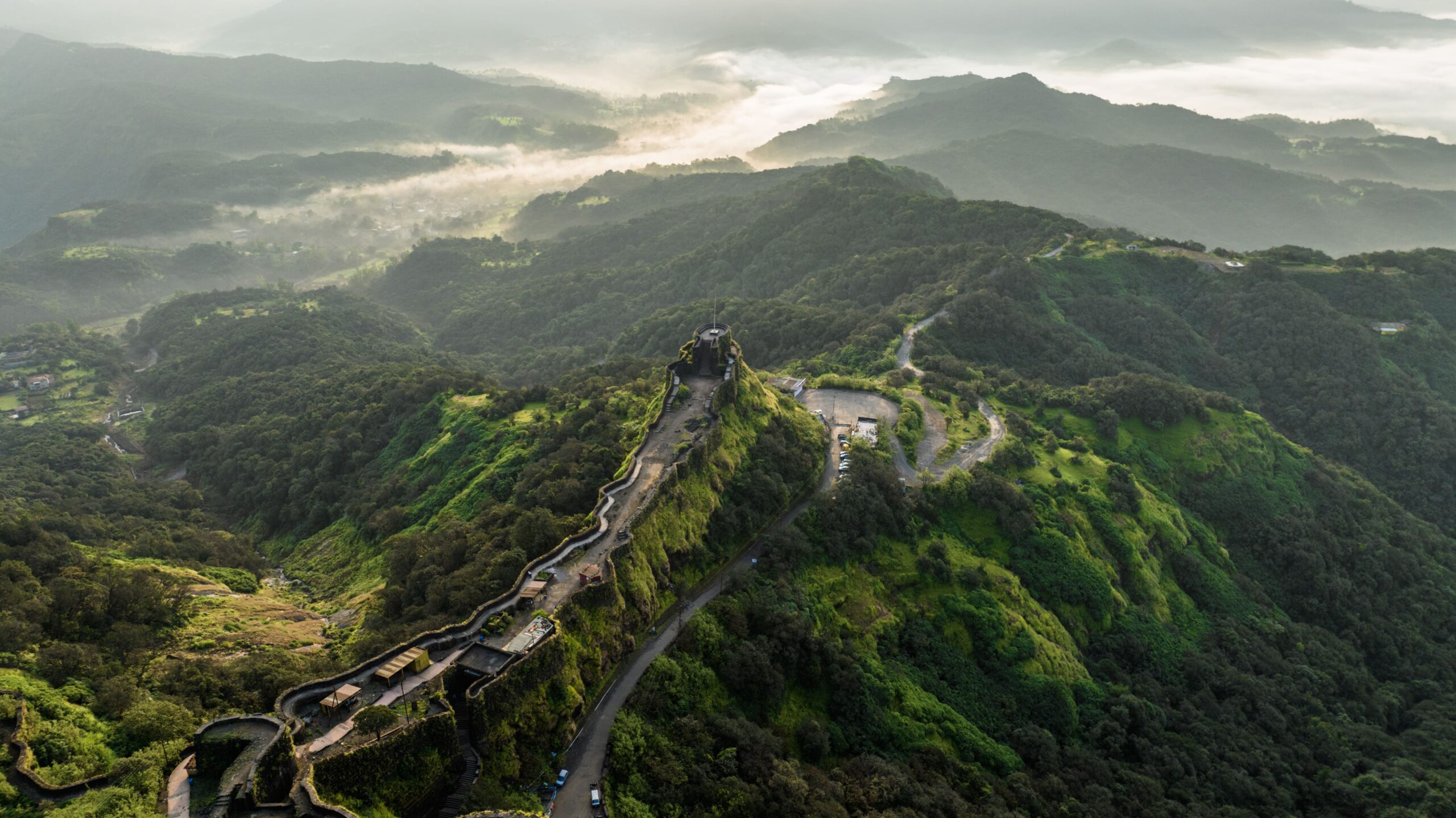
The travel rhythms in Maharashtra are predetermined by its geography: during the rains, the Sahyadri/Western Ghats becomes a trekker’s haven, with traversing routes, seasonal waterfalls, and cloud-dipped plateaus offering reasons to journey slowly and live in the moment. Satara, Kolhapur, Malshej, and other lesser-known hill trails urge you to walk, wait, and watch.
Vidarbha brings a contrasting but quintessential story. Places like Tadoba Andhari Tiger Reserve and Pench National Park are prime examples of conservation-led tourism, which enables forests, local communities, and wildlife to thrive through responsible travel models. Destinations such as Ganpatipule, Tarkarli, and Ratnagiri offer pristine beaches, temple towns, and fishing villages that are culturallyrooted and refreshingly understated. Here, coastal travel is defined less by the nightlife and more by early mornings, local food, and quiet sunsets.
Lakes & Quiet Retreats: Tapola, Bhandardara, and Lonar
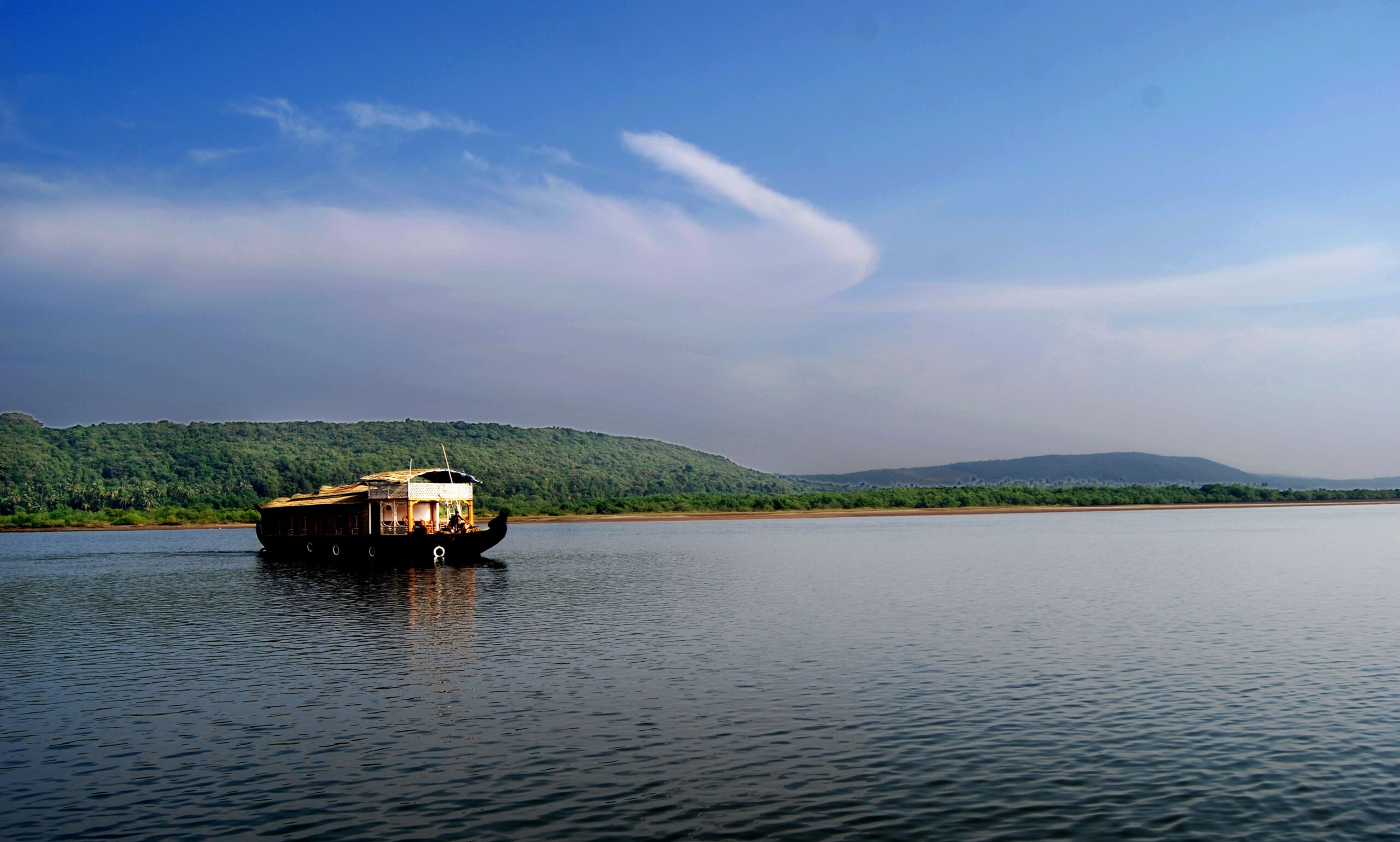
Water and silence shape landscapes for the quiet-seeking traveller in Tapola, near Mahabaleshwar, and Bhandardara, near Nashik. Tapola’s activities centre on the broad expanse of Shivsagar Lake, with mornings spent paddling slowly across the silent waters or simply watching the light change on the surface. Bhandardara somehow mixes reservoirs, dams, and forested hills into a contemplative setting, creating a landscape that feels purposefully crafted for quiet reflection. The Lonar Crater Lake, formed by a meteorite impact, has alkaline, saline waters that change colour with the seasons, lending the landscape an almost unreal quality. Ancient temples dotting the crater add depth to a site defined by geological time. Lonar is not a spot for quick sightseeing; instead, it invites reflection on how people adapt, worship, and live alongside unconventional landscapes.
Caravan & Adventure Tourism
Caravan travel in Maharashtra redefines the basic notion of stay and accommodation. Instead of fixed hotel rooms and rigid itineraries, the road becomes your address. With a caravan, one can choose to stay by the misty landscapes of Malshej Ghat, along the Konkan coast or beside the wilderness area in Tadoba. The biggest advantage of choosing a caravan is its ability to connect to last-mile locations, which is not possible with any other accommodation.
Adventure tourism in Maharashtra is available on land, in the air, and in the water. Rappel down the daring rock faces of Sandhan Valley, raft in the fabulous rapids of Kolad, trek around the forts of Harishchandragad, Rajmachi, and Torna, and experience the joy of paragliding in the rustic landscapes of Kamshet. Off the Konkan coast, scuba diving in Malvan offers an opportunity to explore the coral reefs and marine life, while in the Sahyadris, night treks and monsoon trail hikes can provide adventure tourists with a new experience.
Experiential Tourism
Experiential tourism in Maharashtra is about participation rather than observation. It invites travellers to live the rhythm of a place, be it staying in Konkan homestays where mornings begin with fishing boats returning to shore, joining grape harvesting in Nashik’s vineyards, or spending a day on a working farm through agritourism initiatives near Baramati and Satara. In villages across the Sahyadris, travellers can learn pottery, Warli art, or traditional cooking methods passed down through generations. Rather than rushing through landmarks, experiential travel in Maharashtra encourages immersion in local communities, seasonal rituals, and hands-on encounters that turn a visit into a meaningful exchange between guest and host.
Eating Your Way Through Maharashtra
“Food in Maharashtra cannot be separated from place,” goes the argument. In the Konkan region, the diet is rich in coconut, kokum juice, rice, and seafood. Kolhapur is known for its lively, spicy cuisine, including Tambda Pandhra Rassa and hearty Kolhapuri Mutton/Chicken Thalis. The Varhadi and Saoji cuisines of Vidarbha favour strong spices and bold flavours, making them among the spiciest cuisines in India. Marathwada cuisine is mostly prepared using millets, lentils, and strong masalas. Nashik cuisine emphasises simplicity and farm ingredients, with a focus on onions, peanuts, and seasonal vegetables.
Sustainable and Responsible Tourism
Travel in Maharashtra is more than movement across maps. It is a conversation with the land, the legend, and the living. The tourism industry in Maharashtra is undergoing a positive transformation, and we must share a common responsibility for sustainable and responsible tourism. While travelling, be a conscious traveller: leave destinations with memories, not trash; respect local habitats by taking gentle steps on hills, seas, and streets. The state is promoting homestays, agritourism, and community-run projects that help tourists connect more deeply with the local lifestyle. Responsible tourism further strengthens this bond by encouraging visitors to respect local traditions, conserve natural resources, minimise waste, and contribute meaningfully to village economies.
A Journey That Continues
Maharashtra cannot be explored in just one trip. It opens in seasonal cycles: green and thoughtful during monsoons, festive during winters, beachy and pensive during summers. Ultimately, tourism in Maharashtra is more than just visiting a place; it is an experience of history, culture, cuisine, and geography that unfolds with each visit. Every time one comes back, they discover a new story, reminding tourists that Maharashtra rewards curiosity with depth, continuity, and a lasting sense of belonging.
Read more at TravelMail | Follow us on Facebook | Twitter | and Instagram for on-the-go news