

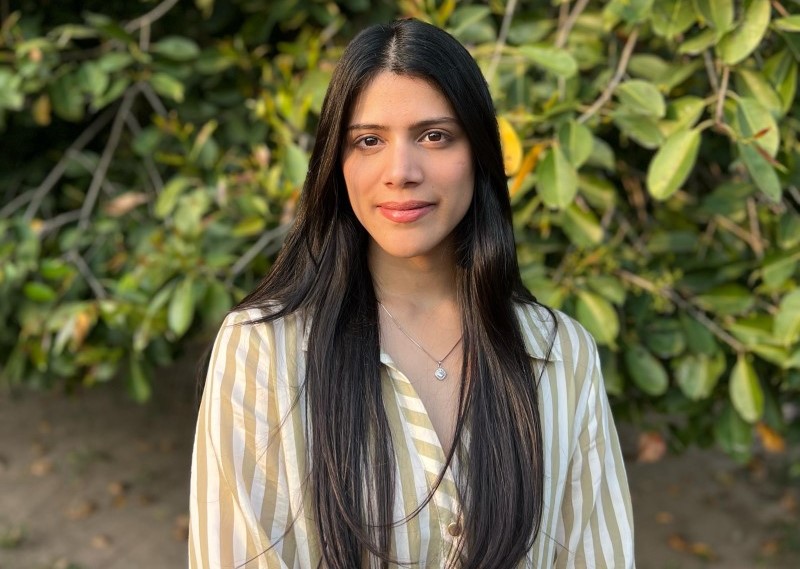
In the heart of Uttarakhand’s land and culture lies Aahana Resort, a name that has become a benchmark for sustainable luxury in India’s hospitality sector. At the forefront is Ms. Avni Tripathi, Director & CMO, whose vision blends eco-consciousness, authentic guest experiences, and a deep connection with nature.
In this exclusive interview, Ms. Avni shares her personal journey, the branding and marketing strategies behind Aahana’s success, insights into sustainability-driven hospitality, and her vision for the future of Indian luxury travel.
Can you share your professional journey and what inspired you to build Aahana into a leading name in India’s luxury resort segment?
I studied entrepreneurial management in America, where I got deeply immersed in sustainability and its role in shaping businesses of the future. During my time there, I also served as the undergraduate representative for the Carlson School of Management at the Twin Cities Sustainability Council, which gave me the chance to engage with projects on renewable practices, waste reduction, and the intersection of business with environmental responsibility.
What drew me back to India was seeing my father not only build a resort but transform land, create livelihoods for locals, and make sustainability practical at a ground level. The change wasn’t just in Aahana, it was in the lives of people and the health of the environment around us. That felt meaningful, and I wanted to be a part of it.
Luxury has often been viewed as indulgence at the cost of the planet, but I wanted to show that it can enrich both people and the environment. The vision of supporting sustainability, empowering communities, and redefining what luxury in India could look like, is what inspired me to come back and join hands with my father.
Aahana itself is the vision of my father and a dream that unfolded with my family. Building it into what it is today has taken the spirit of each family member. It’s their attention to detail, their care for people and for the environment. With our unique offerings and the philosophy we call “luxury born of the forest,” we’ve created something deeply rooted. Aahana is where families come together, reconnect with themselves and with each other. It’s been the effort of not just us as a family, but of an entire team that poured heart into making the dream real.
What marketing or branding strategies have been key in positioning Aahana as a preferred destination for both domestic and international travellers?
In April 2025, we rebranded Aahana. Not to change it, but to make it look more like itself. A new chapter that celebrates and deepens the philosophy we’ve always held. Our vision has always been to let design blend with the forest. The textures, colors, and sounds of the wild influence everything here. We don’t want to stand apart from nature but feel like an extension of it.
Our marketing reflects the same spirit. It’s about showing people what Aahana truly feels like. We create content that immerses you in our world. From culinary journeys built around seasonal produce and fresh, organic ingredients, to the stories of our team, to the little rituals and experiences that make time here so personal.
Guests don’t come to Aahana for branded luxuries; they come for a deeper connection. To eat fresh from the land, to be surrounded by biodiversity, to feel the warmth of local people, to slow down with family. That’s what we highlight. And because we’re family-run, we can personalize experiences in ways that large chain hotels, with their standardized SOPs, simply can’t. Every story we tell is rooted in authenticity, so when guests finally arrive, the reality of Aahana always feels richer than the words.
Luxury hospitality is constantly evolving. How do you ensure that Aahana stays ahead of guest expectations in terms of services, experiences, and offerings?
Our offerings are rooted in nature, culture, and meaning. Ninety-eight percent of our staff is local. Most of them haven’t studied hospitality in a classroom, instead, they’ve lived it through their homes and traditions. The way they serve is genuine, not rehearsed. You may notice soft voices, gentle pauses. That’s not hesitation — that’s the Pahadi way: rooted, respectful, quietly attentive.
What sets us apart is that our team serves from the heart, not from a manual. Guests feel honesty and warmth that doesn’t need translation. Beyond that, we create experiences that connect people with Uttarakhand’s land and culture, and we personalize them to each traveller. To us, staying “ahead of the curve” isn’t about trends. It’s about being authentic, anticipating needs, and holding on to the timeless values of true hospitality.
How do you balance operational leadership with your role as the face of the brand? Are there any specific challenges you’ve encountered in managing this dual responsibility?
Because we’re family-run, my siblings and I have worked across every part of the resort. From sales and reservations to design decisions or even organic farming. The challenge comes when ambition meets reality: long-term planning sometimes collides with ad hoc decisions because we’re all driven to keep creating and improving for our guests.
We have set SOPs for safety, security, and maintenance, but when it comes to guest experiences, we keep things open-ended so we can go above and beyond classic hospitality. Everyone at Aahana has the freedom to create moments for guests without waiting for permissions. That’s our culture. And yes, like any family, we debate. Sometimes we argue over interiors or menus. But those conversations come from a shared passion, and the result is better because of it.
How important is sustainability as part of Aahana’s overall growth and brand strategy today?
Sustainability is the foundation. Aahana isn’t just built on land, it’s built on history. My family are descendants of freedom fighters, and our roots in this region shaped our belief that luxury must carry responsibility.
What began as a barren stretch is now a 13.5-acre oasis, with over 4,500 trees and 200 bird species. The first thing we built wasn’t a villa, rather, an organic sewage treatment plant. For us, sustainability isn’t an add-on. It’s how we live, how we grow, how we measure success. From day one, sustainability has been central to how we define the brand. It’s not a marketing angle or a CSR initiative we layer on later. It’s the DNA of Aahana. Every choice we make, from design to guest experience, ensures that we respect the environment and uplift the community.
That commitment is what differentiates us in the luxury hospitality space. Guests aren’t just looking for beautiful stays anymore; they want meaning behind where they choose to spend their time. For us, that means positioning Aahana as a place where luxury and sustainability don’t compete, instead they coexist. Our growth as a brand has come from staying authentic to this philosophy and letting it guide how we tell our story, attract the right guests, and build long-term loyalty.
In short, sustainability isn’t just part of our brand strategy, it is our brand strategy.
Aahana is often described as a sustainable luxury brand. Could you share some of the key initiatives or decisions that helped integrate sustainability into your brand without compromising on the luxury experience?
At Aahana, sustainability is what makes luxury possible. When we began by restoring the land that we call Aahana. Over the years, through rewilding, we’ve nurtured more than 4,000 native trees, which today make us feel like an extension of the surrounding forest. This forest is now home to birds and wildlife but also to our guests who picnic under cool canopies, read in hidden nooks, and feel a sense of calm that only such natural spaces can offer.
Water, too, is at the center of our story. Our natural Root Zone Treatment Plant and rainwater harvesting save over 1.5 crore liters annually, but it doesn’t stop there. The mineral-rich, pH-balanced water nourishes our trees and gardens, completing a cycle where conservation and abundance meet. Guests often notice how lush the grounds feel and that vitality comes directly from this system of circularity.
Energy is another place where design and sustainability come together. Solar power runs our water systems, and our rooms are built to welcome maximum sunlight, reducing the need for artificial light through most of the day. Our approach to waste follows the same cycle. Everything is composted, recycled, and treated as a resource rather than a burden. That compost becomes the manure that enriches our organic farm, which in turn grows the vegetables that end up on your plate.
Guests often tell us the food here tastes different. It’s fresher, cleaner, more alive. The secret is simple: when the land is nourished, everything it gives back carries that richness. Even our design choices tell stories of sustainability. Repurposed wood from Alang in Gujarat, roots of fell trees reimagined as furniture, and a dining table that has seen 400 years of life — every piece has a history. When guests sit down for a meal or walk into a room, they don’t just see beautiful interiors, they feel connected to a larger narrative of renewal and respect for material.
Our farm-to-table philosophy builds on that. Meals that are seasonal, fresh, and drawn from what we grow. Guests taste the place itself, not just a menu. And the same principle of working with nature shows up in the simplest details too, like the lemongrass and citronella planted across the grounds. They scent the air, add beauty, and naturally ward off mosquitoes without chemicals or sprays, making the experience comfortable and effortless. Each of these choices is rooted in sustainability, but what they create is luxury that feels alive, thoughtful, and deeply connected.
From a marketing perspective, how do you communicate Aahana’s sustainable ethos to today’s discerning luxury traveller
For us, sustainability isn’t a separate campaign, it’s who we are. Everything at Aahana, from the design and dining to the way our team interacts with guests, reflects our deep connection with the land. Our stories of conservation, rewilding, planting indigenous species, and supporting local communities naturally shape our messaging. Because our entire experience is rooted in the environment around us, it’s impossible to separate sustainability from the luxury we offer. Guests don’t just hear about our initiatives, but they experience them. They stroll through rewilded forests, taste produce from our organic farm, and meet our team members from nearby villages. Each interaction subtly reinforces that luxury and care for the planet are inseparable here.
Our marketing focuses on authentic storytelling: the land, the people, the restoration, and the thoughtfulness behind every choice. This approach ensures that guests understand sustainability is not an add-on but the foundation of the experience. At Aahana, connecting people with nature is how we make luxury feel alive, effortless, and meaningful.
What are some key trends you’re observing in India’s luxury resort market, especially in the post-pandemic era?
Travellers are more conscious of impact. They value sustainability, they look for authenticity, they want experiences rooted in local culture. People no longer want a “copy-paste” luxury hotel that could be anywhere in the world. They want to feel where they are. We see more guests choosing places where local communities are part of the story, where the hospitality feels distinctively Indian. They appreciate our staff being local because it adds richness, Indianness, and honesty to the experience.
What advice would you offer to young women aspiring to build careers in hospitality or resort management?
Believe in a vision bigger than yourself. That’s what brought my siblings and me into this; our parents’ vision for people and for the planet.
In hospitality, no task is too small. We’ve worked across departments, and we’ve also rolled up our sleeves when things needed fixing. That’s how you learn. Immerse yourself fully, stay curious, and remember that this industry isn’t just about service, instead, it’s about creating meaning in people’s lives. That’s a privilege.
Looking ahead, what’s your vision for Aahana and your broader outlook on the future of Indian luxury hospitality?
Asian hospitality is recognized worldwide for serving from the heart. Indian hospitality, especially, is about immersion and welcoming people into our culture, our flavors, our ways of life.
The future of Indian luxury lies in going hyper-local about nature, art and culture, flavor, and our traditions. At Aahana we believe in sharing both small and big things about Uttarakhand. Why a tree grows a certain way, how to harvest jackfruit, what fresh regional produce tastes like. People don’t want to travel with a check-list and cram in many experiences. They want depth, rootedness, and experiences that stay with them long after the trip ends.
Why is sustainability important beyond mere participation, and why must hotels lead by example?
Because in India, sustainability isn’t optional. We are a country of rivers, glaciers, forests, and biodiversity. Places like Uttarakhand are the lungs of the nation; it is home to holy rivers, glaciers, and dense forests. If hospitality here doesn’t act responsibly, it harms not just the region but the country at large.
For us, sustainability goes beyond personal values. It’s about protecting resources, empowering local people, and creating livelihoods in the very regions where we operate. Larger hotels have the power and responsibility to redefine the standard and lead by example. Sustainability should not be a campaign or a checkbox. It has to be a way of life, a daily choice. When hospitality embraces that, it creates experiences that tread lightly, protect biodiversity, and empower communities. That’s how our industry can truly flourish without costing the planet.
Read more at TravelMail | Follow us on Facebook | Twitter | and Instagram for on-the-go news