

“Placing tourism at the centre of India’s growth strategy in the Union Budget 2026–27 is a welcome move. Right steps with a clear focus on skilling, destination development, and experiential offerings such as spiritual, heritage, and wildlife circuits will certainly help strengthen domestic tourism. Initiatives such as the National Institute of Hospitality and guide upskilling are positive steps toward enhancing service quality and employability. However, critical structural enablers remain unaddressed. To truly unlock the sector’s potential for jobs and foreign exchange, we urgently need Infrastructure Status for the hospitality industry, GST rationalisation, tax incentives for new and green hotels, and stronger measures to boost FTAs. Without these, achieving scalable, regionally-balanced tourism growth will remain a challenge,” says Pradeep Shetty, Spokesperson, Hotel and Restaurant Association (Western India) – HRAWI.

“This Budget lays out a coherent, long-term blueprint to take India’s hospitality and tourism sector decisively onto the global stage. By strengthening institutional capability through a National Institute of Hospitality, envisioned as a bridge between academia, industry, and government, alongside a clear emphasis on skilling and connectivity, it creates a strong foundation for sustainable sectoral growth. Particularly encouraging is the shift towards experience-led tourism, spanning archaeological and heritage sites, spiritual and Buddhist circuits, temple towns, and nature-based destinations across emerging regions. The focus on immersive storytelling, destination-led infrastructure, and development beyond metros reflects an approach aligned with building responsible hospitality destinations that are rooted in place, culture, and community. With improved regional and last-mile connectivity, greener mobility solutions, streamlined clearances, and targeted support for Tier II and Tier III cities as growth engines, the ecosystem is becoming more conducive to long-term, responsible growth. Lastly, the emphasis on regional medical hubs and integrated wellness and AYUSH ecosystems further strengthens India’s appeal as a holistic destination, expanding the scope of tourism beyond leisure into healthcare-led, high-value travel. For us, this Budget closely mirrors the long-term vision we have always believed is essential for building meaningful hospitality destinations”, says Samir MC, CEO, Tamara Leisure Experiences.
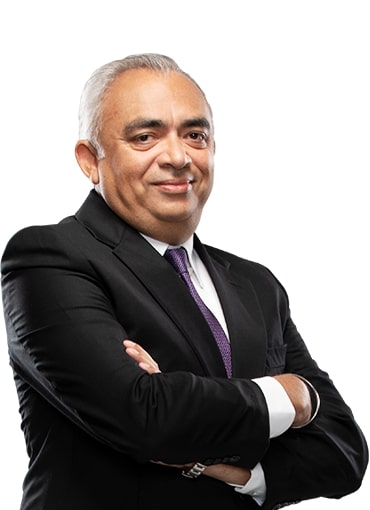
“The Budget provides a constructive push for India’s travel and hospitality sectors. The development of cultural, heritage, and nature-based destinations, along with emphasis on skilling and institutional capacity-building, reflects a clear focus on strengthening the sector’s competitiveness, talent, and service standards. It also acknowledges India’s growing outbound tourism market, and the rationalisation of TCS on overseas travel supports this momentum. Together, these steps can enhance India’s global standing in travel and hospitality and support the long-term growth of the sector”, says Mr. JB Singh, Director, InterGlobe Air Transport and President & CEO of InterGlobe Hotels.

“From an industry standpoint, this Budget addresses three structural gaps that have held Indian tourism back for years: capital access, traveller friction, and product depth. Infrastructure status for hotels changes the economics of hospitality expansion, especially in underserved leisure and pilgrimage circuits where demand already exists but quality inventory has lagged. The 2% cut in outbound TCS is equally significant; it directly improves cash flow for travellers and removes a psychological barrier that has suppressed discretionary international travel. What stands out most, however, is the shift from volume-led tourism to experience-led growth, through rural stays, heritage activation, and skills development. This could be a strong Budget for infrastructure, service quality, and traveller expectations into a sustainable long-term tourism model”, says Mr. Sandeep Arora, Director, Brightsun Travel, India.

Agoda welcomes the Union Budget and congratulates the Government on placing travel and tourism firmly within India’s next phase of growth. The Budget recognises the travel sector as a practical engine for jobs, skills, and regional participation, while responding to how traveller preferences are changing across the country. The focus on capability-building and destination readiness stands out. Measures such as setting up a National Institute of Hospitality, upskilling guides at iconic sites, and creating a National Destination Digital Knowledge Grid show a holistic approach that combines talent, technology, and storytelling. At the same time, investments in experiential destinations, sustainable nature-based trails, cultural sites, and global wildlife engagement reflect a clear intent to broaden travel beyond large cities and enable year-round demand across emerging destinations. Overall, the Budget sends a clear message that tourism plays a role not only in economic expansion but also in shaping how people explore India and the world. Agoda looks forward to supporting this momentum by improving discovery, choice, and booking ease for travellers as travel across India becomes broader and more experience-led, says Gaurav Malik, Country Director, Indian Subcontinent & Indian Ocean Islands at Agoda.
Dr. Vikram Kamat, Founder of Vikram Kamats Hospitality Limited, says, “The Union Budget 2026 clearly positions tourism and hospitality as a key pillar of India’s employment and economic growth strategy, a move we strongly welcome. Recognising tourism as a powerful driver of job creation, foreign exchange earnings and local economic development reflects a clear understanding of the sector’s multiplier impact across regions. Also, strongly aligned with Budget 2026, particularly the decision to establish a National Institute of Hospitality by upgrading the National Council for Hotel Management and Catering Technology—a progressive step that will strengthen hospitality education and build a future-ready workforce. In line with this vision, we had already launched **KHAS Academy (Kamats Hospitality Academy of Skill) in 2022*, a dedicated training initiative focused on making youth job-ready for the hospitality sector. With over 80% practical, hands-on training, strong mentorship and real industry exposure, KHAS has been designed to bridge the gap between education and industry needs. As India’s first “Earn and Learn” hospitality programme, offering a monthly stipend of ₹7,000, KHAS is shaping the next generation of hospitality leaders and providing direct employment opportunities to KHAS graduates across our VITS Hotels & Resorts and Kamats restaurant verticals. Additionally, the National Destination Digital Knowledge Grid and the push for eco-tourism, trekking and wildlife trails will surely modernise destination management and drive responsible, inclusive growth.”
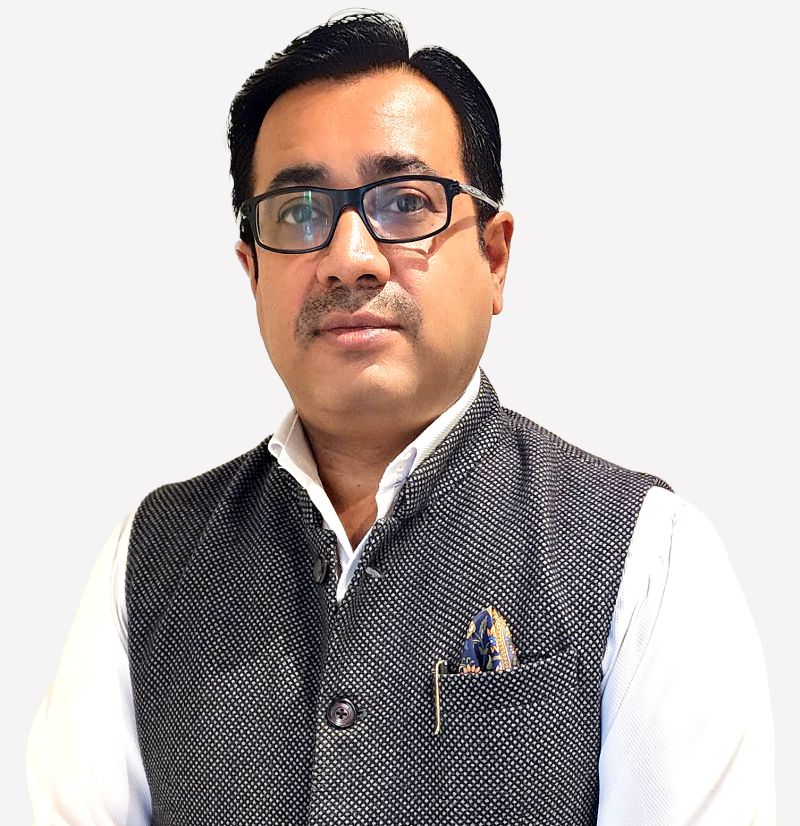
Quote by Mr. Sandeep Basu, CEO. OPO hotels and resorts says, “The Union Budget’s continued focus on tourism infrastructure, connectivity, and destination development is a strong positive for the hospitality sector. Enhanced investment in transport, regional connectivity, and public-private partnerships will improve access to emerging destinations and boost domestic travel. Measures supporting ease of doing business and employment generation will further strengthen the sector’s growth momentum. Overall, the Budget reflects a long-term vision to position tourism as a key driver of economic growth while encouraging sustainable and quality-led hospitality development.”

Manjari Singhal, Chief Growth and Business Officer, Cleartrip, says, “The Union Budget 2026 signals a clear and consistent commitment to strengthening India’s travel and tourism ecosystem. Continued investments in building an integrated network of roads, railways, airports and emerging connectivity like seaplanes will make travel easier, more accessible and better distributed, supporting the next phase of both domestic and inbound tourism growth. As infrastructure improves access and connectivity, these efforts help travellers feel more confident to explore new regions and experiences. Overall, the Budget reinforces travel and tourism as long-term drivers of jobs, regional development and inclusive growth, and sets the right foundation for India’s inbound and outbound travel story in the years ahead.”

Mr Chirag Agarwal, Co-founder & CEO, TravClan, says, “The Union Budget 2026 takes a constructive step towards addressing some long-standing operational challenges faced by outbound travel businesses. The reduction of TCS on overseas tour packages to 2% is a welcome move and will ease immediate cash-flow pressure for both travellers and agents, particularly in high-volume, cross-border transactions. Effective implementation will now be critical. Clear guidance on refund timelines, reconciliation processes and system readiness will determine how quickly this relief translates into day-to-day business operations. Beyond taxation, access to formal credit for booking-led travel businesses remains an important gap, as traditional lending frameworks still do not fully account for advance collections and extended settlement cycles. As outbound demand continues to expand from non-metro markets, sustained policy focus on international connectivity, efficient payment systems and regulatory simplicity will be important to support long-term growth. Overall, the Budget signals positive intent, and targeted follow-through can further strengthen the operating environment for Indian travel businesses.”
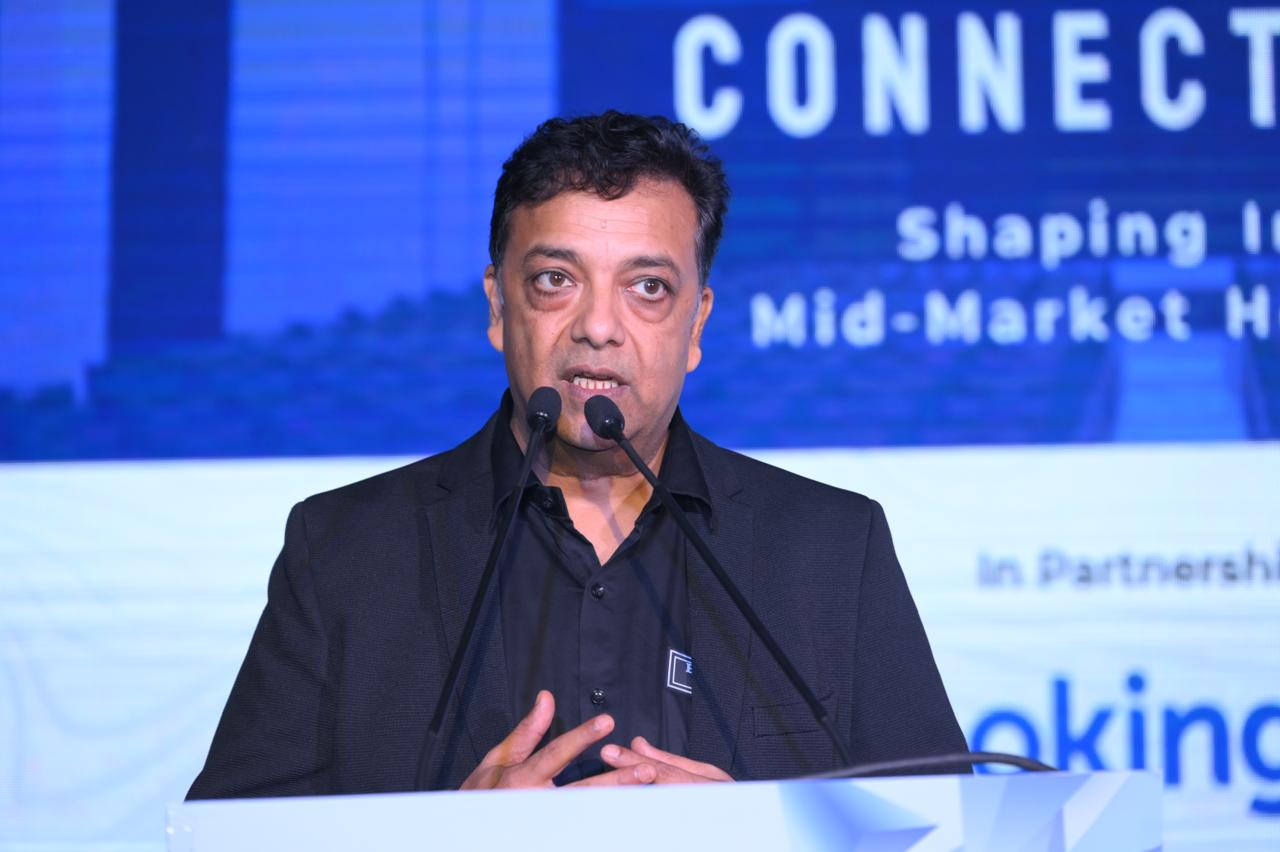
Aditya Sanghi, CEO of Hotelogix, says, “The Union Budget 2026–2027 sends a clear signal that the Indian tourism and hospitality industry is one of the most important drivers of jobs and growth. Enabling this industry through initiatives such as a National Institute of Hospitality, talent upskilling, and digital infrastructure are welcome steps. However, execution on the ground will define success in the long run. It must empower homegrown midscale hotels in Tier II/III markets to access modern solutions and a skilled workforce easily to thrive sustainably. At Hotelogix, we see this as a pivotal moment to support hotels in this segment with cloud-led, scalable technology that helps them ensure smarter operations and deliver consistently better guest experiences.”
The Union Budget 2026 clearly recognises tourism and hospitality as key drivers of employment, foreign exchange, and regional growth. The proposed National Institute of Hospitality, through the upgradation of NCHMCT, will significantly strengthen talent development and service excellence across the sector. The pilot upskilling programme for tourist guides is a timely move towards delivering consistent, high-quality experiences at India’s most iconic destinations. The creation of a National Destination Digital Knowledge Grid is a particularly forward-looking step, combining heritage preservation with digital enablement and opening new avenues for research, content creation, and destination storytelling. The focus on sustainable nature and eco-tourism across trekking, wildlife, birding, and coastal trails demonstrates a balanced approach that aligns tourism growth with environmental responsibility. For experience-led hospitality groups such as Jaypee Hotels & Resorts, these measures will support deeper destination development, higher service standards, and more immersive guest experiences – reinforcing India’s position as a globally competitive tourism destination, says Manju Sharma, Managing Director, Jaypee Hotels and Resorts.

Rahul Borude, Co-founder and CEO, StampMyVIsa, says, “The Budget 2026 built a strong focus on developing India as a tourist destination for the world and even domestic travellers, because given our heritage and culture, all the right ingredients to develop iconic tourist destinations are a great opportunity, and it will benefit the stakeholders of the travel and hospitality industry. The Budget has unlocked the demand side surge by reducing TCS on the overseas tour packages, as the outbound travel from India has been consistently growing. The govt is not just stopping at that, with several announcements on integrating AI to upskill young professionals, guides, content creators, and more will directly impact the tourism sector and will also lead to employment opportunities. Announcement regarding setting up of National Institute of Hospitality and the pilot programme to upskill 10,000 guides is a strong indication that the entire industry should standardise its service delivery to improve tourists’ experiences. Simplifying travel processes, ensuring industry-led skilling, and keeping digital platforms open and interoperable. The direction is right; the next phase must focus on scale, quality, and seamless execution”.

Mahesh Iyer – Managing Director & Chief Executive Officer, Thomas Cook (India) Limited says, “The Union Budget 2026 reflects a strong recognition of tourism as a strategic pillar for economic growth, employment generation, and regional development. From a consumer standpoint, the rationalisation of Tax Collected at Source is a welcome move. The simplified flat 2% TCS on overseas tour programme packages replaces the earlier two-tier structure, easing compliance and unblocking cash flows for travellers. We also appreciate the reduction of TCS to 2% on education and medical remittances, which will significantly ease the burden on these important long-term drivers, especially amid the impact of rupee depreciation. The pilot initiative to upskill 10,000 tourist guides across 20 iconic sites through a standardised 12-week hybrid programme is a strong step towards ensuring quality service delivery and enhancing India’s global competitiveness. Additionally, the development of seven high-speed rail corridors, the expansion of 20–25 new National Waterways, and incentives for indigenising seaplane manufacturing will greatly enhance connectivity and unlock new tourism circuits, including remote and island destinations. The proposed scheme to develop five regional medical tourism hubs in partnership with the private sector further strengthens India’s positioning as a global healthcare destination. Overall, the Budget reinforces tourism’s role in driving inclusive growth; however, a higher marketing outlay towards promoting Incredible India could have delivered a powerful double-barrel impact by complementing infrastructure development with stronger global visibility.”
Mr. Vishal Suri – Managing Director & CEO, SOTC Travel Limited says, “Budget 2026 sets the stage for accelerated growth in India’s travel and tourism sector. The reduction of TCS on outbound travel to 2% will make international holidays more accessible and boost demand. While the establishment of five regional medical tourism hubs positions India as a leading destination for integrated hospitality and healthcare. High-speed rail corridors, city economic regions and the expansion of nature-based and experiential tourism—from eco-trails and mountain circuits to wildlife and heritage experiences—will enhance connectivity and diversify offerings. Initiatives such as training 10,000 tourist guides, establishing the National Institute of Hospitality, and developing a Digital Knowledge Grid will professionalise the workforce and strengthen planning. Together, these measures enhance the competitiveness of Indian tour operators, attract investment, and create new opportunities across the tourism value chain. We welcome these progressive steps, while continuing to advocate for formal Industry status for tourism to unlock the sector’s full potential.”

Mr. Anil Chadha, Managing Director, ITC Hotels Limited, says, “The Budget’s renewed focus on tourism is a strong vote of confidence in an industry that creates livelihoods at scale, supporting local entrepreneurs, artisans, and communities across the tourism value chain. The proposed upgradation of National IHMs and the NCHMT (National Council for Hotel Management and Catering Technology), alongside structured guide skilling initiatives, will significantly strengthen service quality and global competitiveness in hospitality. The emphasis on medical tourism further positions India as a trusted destination combining care, capability and hospitality. Equally transformative is the push towards a digital and AI-enabled tourism knowledge framework, which will enhance discoverability, planning and destination management. The Budget’s ‘Growth Connectors’—seven high-speed rail corridors will enhance connectivity between western, southern & eastern parts of the country. The focus on adventure tourism, including trekking, hiking, and wildlife trails, along with the development of Buddhist circuits across North-East states, highlights the importance of responsible, experience-led growth that protects the very destinations travellers seek. Together, these measures present a timely opportunity to build India’s tourism advantage on quality, authenticity and sustainability.”

Varun Chadha, CEO, TIRUN Travel Marketing, says, “The Budget makes a strong and much-needed push for services, travel, and tourism. One of the most significant and long-awaited moves for the outbound travel industry is the proposal to bring TCS on overseas tour packages down to a flat 2%, without any threshold. This has been a long ask from the industry, and for travellers, it is a huge positive—making international travel more affordable, improving cash flow, and removing a major friction point at the time of booking. The emphasis on tourism-led growth, including cruise tourism as part of the broader travel ecosystem, signals a clear intent to diversify and deepen India’s tourism offerings. Equally important is the focus on seaplanes and last-mile connectivity, which can unlock remote destinations, improve access to island and coastal regions, and create entirely new travel experiences. Together, these measures support a more inclusive, customer-centric, and future-ready tourism landscape.”

Varun Arora, CEO and Co-Founder of Ekostay, says, “This year’s Union Budget clearly signals a shift in how India views travel and hospitality from a discretionary spend to a strategic growth engine. Measures like the rationalisation of TCS on outbound travel and the announcement of a ₹5,000 crore ‘Growth Connector’ framework for city economic regions show a strong intent to strengthen tourism-led development and urban ecosystems. For hospitality brands, this creates a more confident environment to invest, expand into new destinations, and build experiences that are aligned with long-term economic growth rather than short-term cycles. It’s a welcome step toward positioning travel as a serious contributor to India’s broader growth story.”

Poonam Singh, General Manager, Dharana at Shillim, says, “The Union Budget 2026–27 reflects a considered recognition of tourism and hospitality as important enablers of experience-led travel. The emphasis on infrastructure development, skill enhancement, and institutional support, alongside a continued focus on India’s traditional wellness systems such as Ayurveda and Yoga, signals an intent to strengthen destinations grounded in authenticity, well-being, and a mindful engagement with cultural and natural heritage. For the wellness and hospitality sector, these measures create opportunities to advance sustainable tourism, enable meaningful regional employment, and elevate service standards, reinforcing India’s position as a globally credible destination for holistic wellbeing and conscious travel.”

Ayu Tripathi, Director, Aahana Resort, says, “It is encouraging to see the Union Budget recognise tourism as a strategic economic catalyst driving employment, strengthening local enterprise, and contributing to foreign exchange while placing India’s cultural and natural heritage at its core. As one of the country’s most employment-intensive and revenue-generating sectors, tourism has the capacity to play a far more expansive role in India’s growth story, and the Budget’s focus signals a clear intent to unlock that potential responsibly. For Uttarakhand, the emphasis on sustainable and responsible tourism is particularly significant, as the state’s long-term appeal is intrinsically linked to the protection of its forests, rivers, and biodiversity. The proposal to upgrade the National Council for Hotel Management & Catering Technology into a National Institute of Hospitality, alongside the structured upskilling of 10,000 guides, will meaningfully enhance service quality and destination interpretation. Initiatives such as the National Destination Digital Knowledge Grid and curated experiences like bird-watching trails further reinforce a model of tourism rooted in knowledge, conservation, and community engagement, an approach that aligns strongly with the ethos of Jim Corbett National Park. Overall, the measures outlined lay the foundation for a more resilient and enduring tourism economy, built on skill development, environmental stewardship, and shared community benefit.”

Aloke Bajpai, Group CEO & Rajnish Kumar, Group Co-CEO, ixigo, say, “The Union Budget placing tourism at the centre of its employment and growth strategy is a strong and welcome signal for the sector, recognising its role in job creation, foreign exchange earnings and strengthening local economies across the country. The increased emphasis on rail and road infrastructure, specifically the budget for New Railway Lines being increased by 14% in FY27 compared to FY26, as well as the increase by 10% of budgetary allocation for highway infrastructure, are both very encouraging moves for the travel industry. Seven High-Speed Rail corridors as ‘growth connectors’, with emphasis on the booming travel demand for Varanasi, will enhance rail capacity. We also like the focus on Tier II and Tier III cities, including temple-towns, through the city economic regions (CER) development budgetary allocation of Rs. 5000 crores – this should result in a big boost for tourism in those cities. This year’s budget has also taken steps to make international travel, both outbound and inbound, more accessible and affordable for Indian travellers. The proposal to reduce the TCS rate on overseas tour packages to a flat 2% (from the earlier 5% and 20% slab based system) is a welcome move for making outbound tourism more amenable. In addition, the proposed revision of international baggage clearance processes to simplify procedures and reduce dwell time will help deliver a smoother and faster airport experience for inbound travellers. The setting up of the National Institute of Hospitality and the upskilling of tourist guides will help improve service quality and enhance India’s position as a global tourist destination The emphasis on nature-based and experience-led tourism with plans to build ecologically sustainable trekking and hiking trails across key mountain and forest regions is particularly encouraging and is likely to give a meaningful boost to leisure travel within India, which is increasingly being driven by Millennials and Gen Z. At ixigo last year, we have seen rising interest in North-eastern region tourism further fueled by OTT platforms. The new Buddhist circuits announced in the FY27 Union Budget will significantly strengthen the development of tourism in the North East, across the states of Sikkim, Manipur, Assam, Arunachal Pradesh, Mizoram and Tripura, further enhancing connectivity and infrastructure in the region. It is encouraging to see the government continuing to invest in spiritual tourism capacity creation, an area where we’ve consistently seen massive demand and long-term potential.”
Read more at TravelMail | Follow us on Facebook | Twitter | and Instagram for on-the-go news