
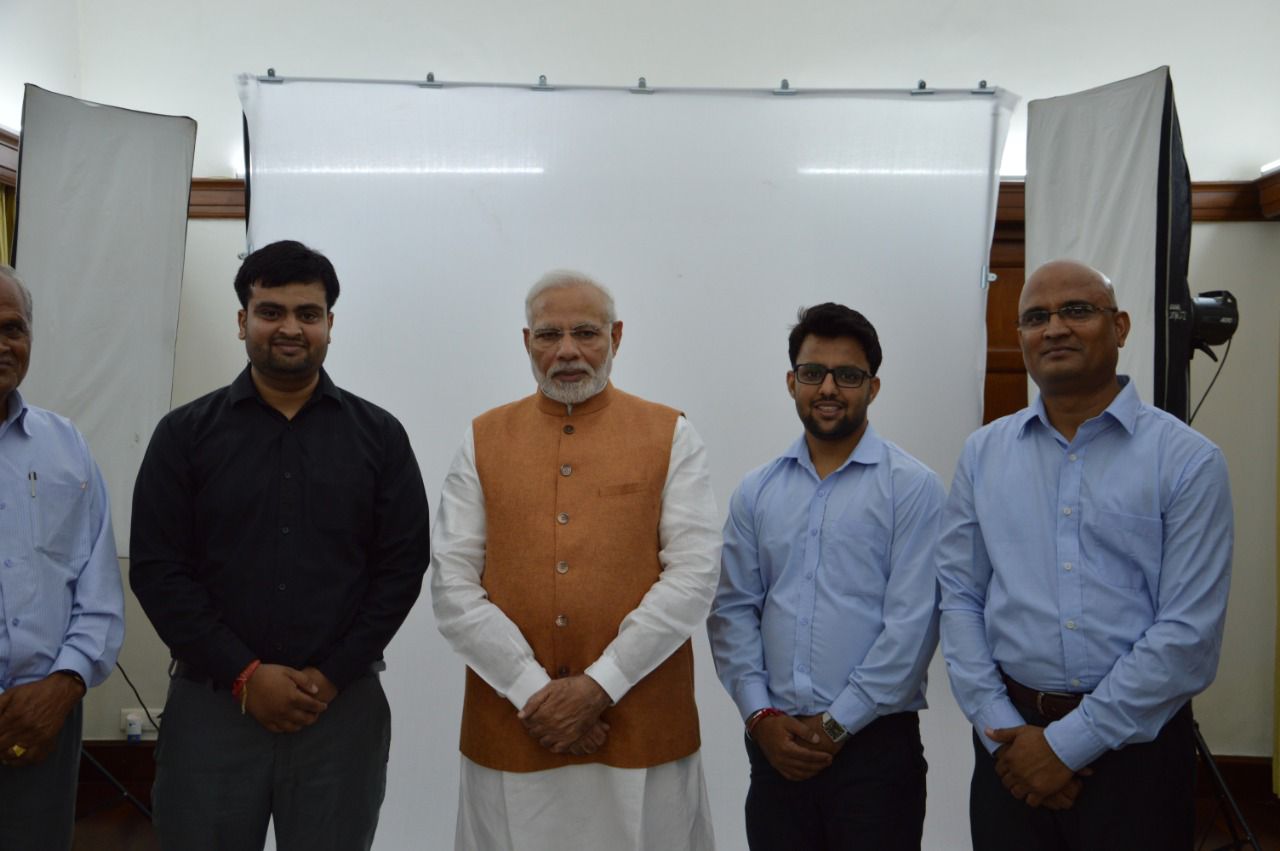
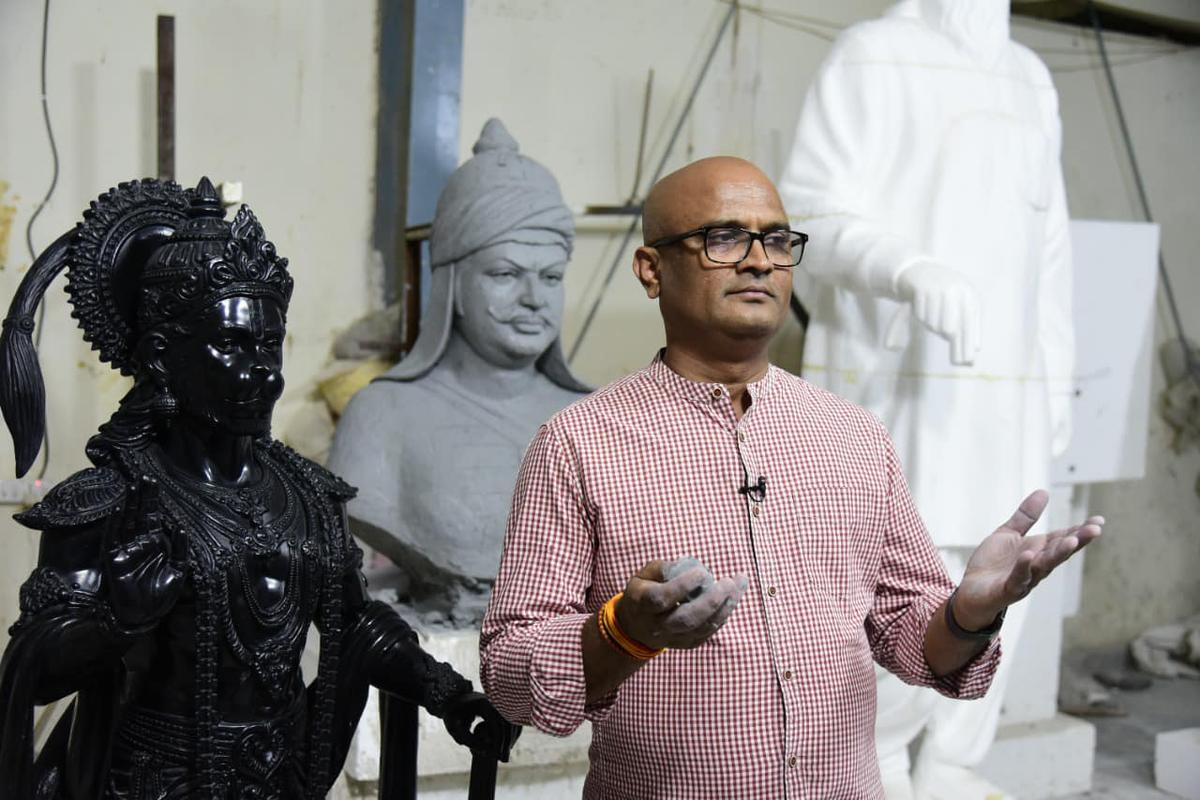
Travellers have different motives behind taking the extra mile and exploring new places. Some do it purely for the adrenaline. On the other hand, some have the urge to capture beautiful landscapes. However, there are those rare individuals who leave behind landmarks that leave a mark on a nation’s identity. Renowned sculptor Naresh Kumar Kumawat is a living example of the rare talent that creates history. His journey can be described as a beautiful story of transforming stone, metal and imagination. He has added hard work and soul to timeless symbols of heritage, faith and national pride. These monuments have made this remarkable artist shine across countries and cultures.
The years Kumawat has devoted to his art have rewarded him with recognition as one of the most influential sculptors in our country. The monumental artworks created by him have become cultural landmarks in India and abroad. It is the life-like sculpting in all his work that has made him a renowned personality, right from the spiritual heartlands of Rajasthan and Ayodhya to the landmark streets of North America, Africa and other nations. Travel has played a defining role in every project by becoming a source of inspiration, learning and cultural exchange.
From Rajasthan to the World
Being born in a family of Rajasthan- based generational sculptors had a huge impact on shaping the early years of Naresh Kumar Kumawat. His ancestors had devoted their lives to this art form, and that was also a reason for sparking his fascination with sculpture and craftsmanship. His birthplace, Rajasthan, is known for its artistic tradition and architectural excellence. It has been a driving force for his growing admiration for the artistic world. They have formed a foundation for a career that was destined to shine beyond borders.
He began his artistic journey with a commitment to preserving India’s sculptural traditions and converting them into masterpieces that grab the spotlight in modern public spaces. His uncanny ability to transform narratives into monumental-scale projects earned him recognition from various governments, institutions and communities from different parts of the world.
Today, his creations can be found across continents. Each of his creations carries a distinctly Indian ethos. They also resonate with universal themes of spirituality, leadership, and cultural identity.
Creating National Icons
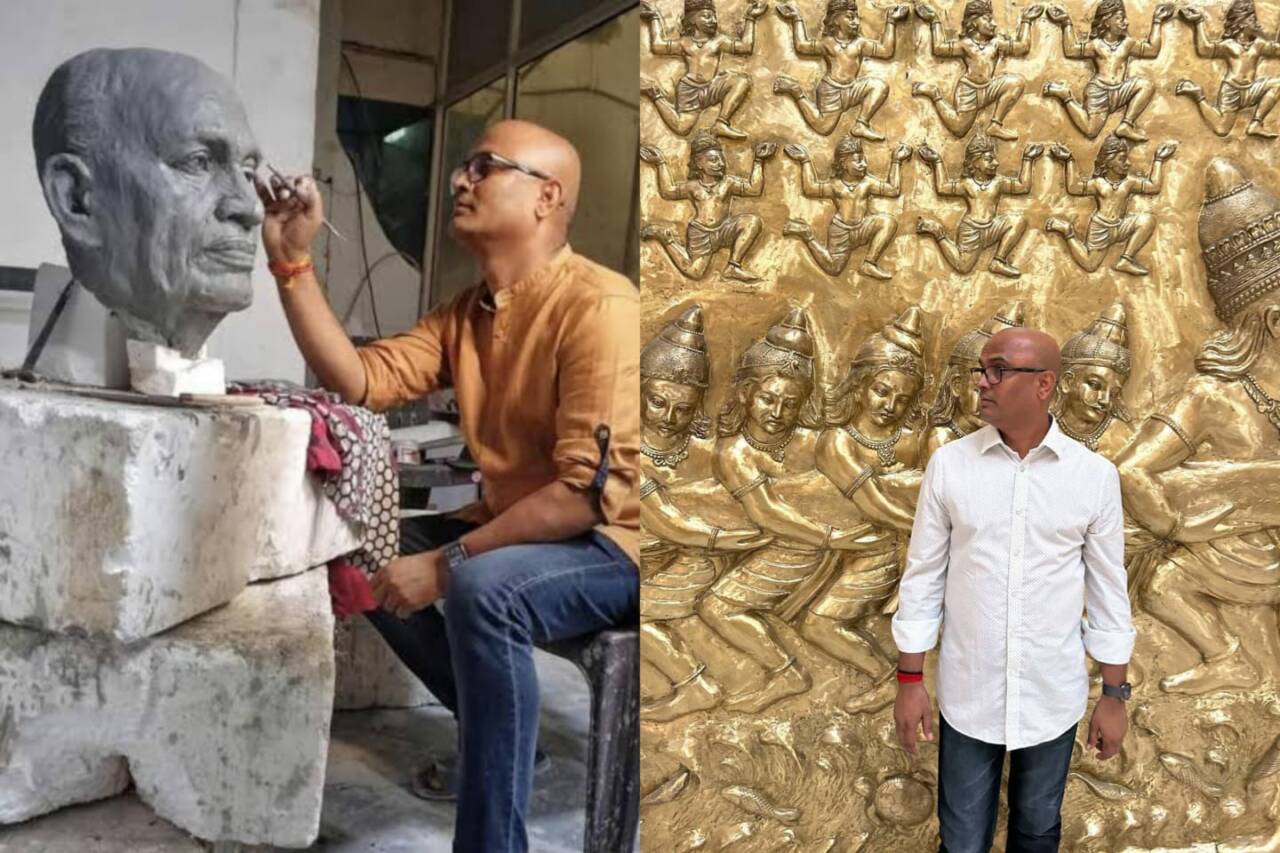
One of the most celebrated contributions of Kumawat is the 75-foot Samudra Manthan mural at the new Parliament Building in New Delhi. It is an artwork inspired by one of the most significant episodes in Indian mythology. The mural serves as a powerful representation of cooperation, perseverance and the pursuit of the collective good. These values can be an inspiration for democratic governance. Kumawat was also the heart and soul behind the lifelike medallion at Parliament Complex featuring Sardar Vallabhbhai Patel and Dr. B. R. Ambedkar.
He was also associated with the towering 369-foot Statue of Belief of Lord Shiva in Nathdwara, Rajasthan. This sculpture is highly responsible for establishing his reputation for handling projects of extraordinary scale and complexity. He has also contributed to the proposed grand Lord Ram Statue Project in Ayodhya. This will be another landmark initiative that seeks to celebrate India’s spiritual heritage.
His sculptures are adorned across the country as memorials, educational institutions, temples, public parks and civic spaces. They have a significant role in shaping the visual identity of communities and cities alike.
Travel as a Creative Classroom
Travel is far more than movement between destinations for Kumawat. Every journey is an opportunity to understand local histories, architectural traditions, cultural symbols and community aspirations.
He spends considerable time studying the cultural context, whether working in Mauritius, Canada, or the US. This process allows him to create sculptures that represent Indian heritage while connecting meaningfully with local audiences. He has addressed the significant challenge that lies in creating art. It respects local sensibilities while retaining its cultural authenticity.
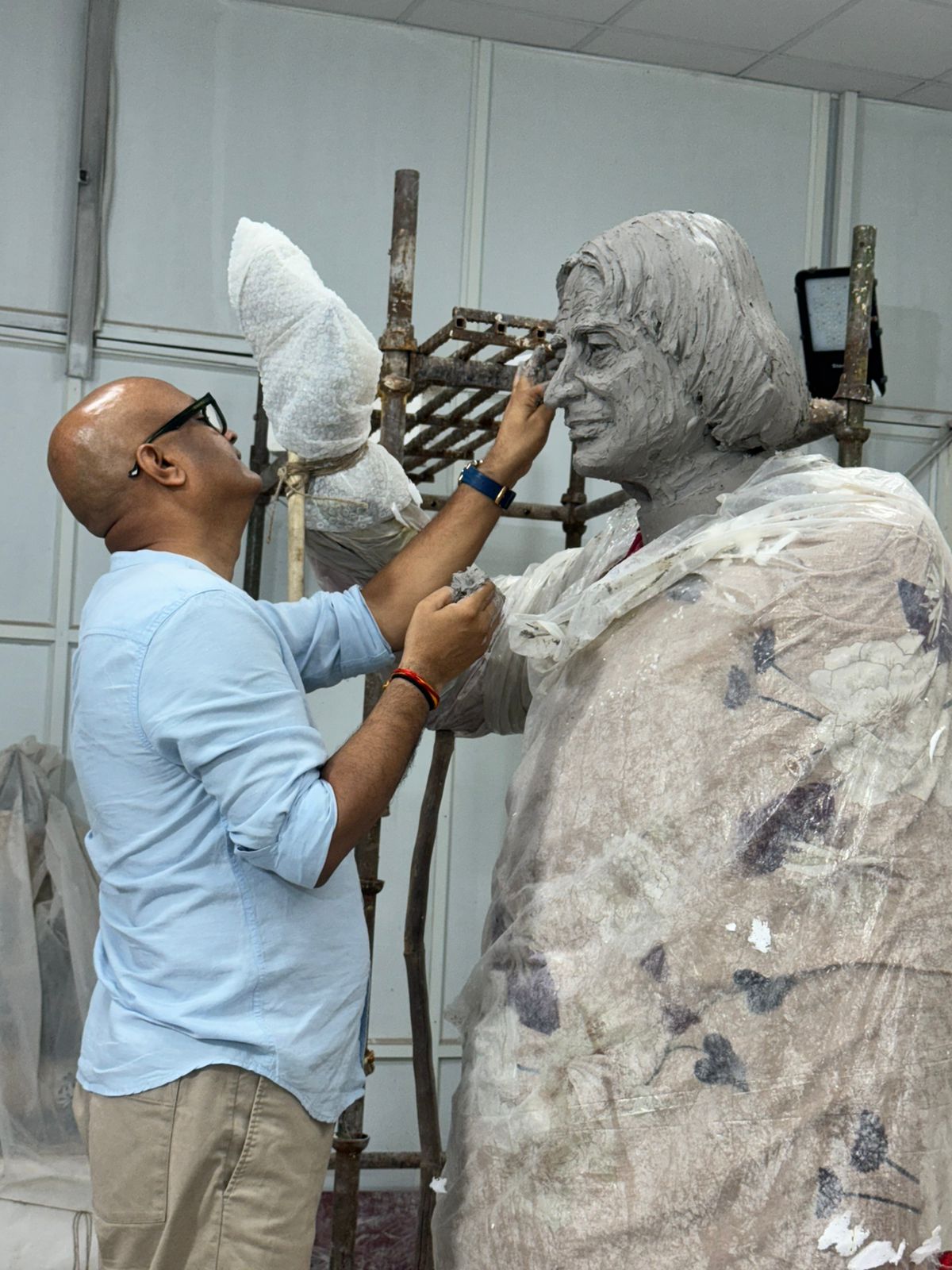
He also came into close contact with diverse artistic traditions, engineering practices and public art ecosystems. These experiences have shaped his creative vocabulary. It enabled him to undertake increasingly ambitious projects around the world.
Taking Indian Heritage Global
The global footprint of Kumawat’s work is the most remarkable aspect of his career. His sculptures have become important cultural landmarks for Indian diaspora communities. They have also been significant in bringing international attention to Indian cultures and values.
He created the 51-foot Lord Ram Statue in 2025 that was unveiled in Mississauga, Canada. The project is a living representation of a religious symbol and a celebration of cultural continuity for generations of Indians living abroad.
His work in Mauritius includes one of the tallest Lord Shiva statues at Ganga Talao. Along with being the tallest Lord Shiva statue in Ganga Talao, Mauritius, his installation also serves as a reminder of the long-standing cultural ties between India and that nation. Ganga Talao is considered a sacred location by a large number of pilgrims from around the world.
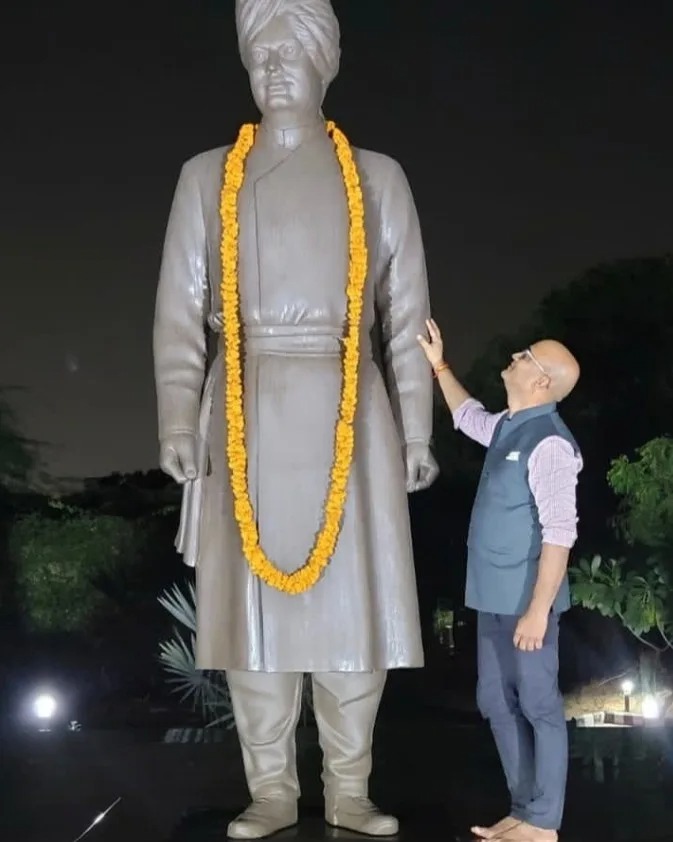
In 2026, Kumawat unveiled his statue of Swami Vivekananda in Seattle, Washington, USA, bringing the works of one of India’s most important spiritual leaders to the attention of an international audience.
In the same year, Kumawat also installed his first work outside the Indian subcontinent when he created a statue of Maharaja Ranjit Singh in Malawi, Africa. Kumawat is distinguished for being one of the first individuals to create sculptures of many Indian leaders around the world, including Mahatma Gandhi, Swami Vivekananda, Rabindranath Tagore, Dr B R Ambedkar, and Lord Buddha.
Kumawat has created and/or installed these statues in over 80 countries and has made a positive impact on how people view and connect with India and its values, philosophy, and intellectual tradition.
Art that Connects Nations
Naresh Kumar Kumawat’s career has been defined by his ability to connect cultures through sculpture. By creating installations around the world (Canada, USA, Mexico, South Africa, Sri Lanka, Indonesia, Uzbekistan, Oman, Japan, Switzerland, Mauritius, and more), he has introduced Indian culture to a global audience.
Kumawat’s sculptures create spaces where different cultures can interact with India’s history, spirituality, and values through shared experiences. Travellers are often inspired to learn about Indian philosophy, great leaders, and artistic traditions when they visit monuments created by Kumawat. Thus, Kumawat’s sculptures provide contributions to public art and promote cultural tourism and understanding between countries.
With travel connecting societies, Kumawat’s art shows that the extent of his experiences is not limited by language, nationality or politics; they transcend these borders. Whether in the new Parliament Building in New Delhi or in many public squares and religious sites, Kumawat’s art is a reminder that there is a bigger cultural narrative that exists globally.
What began as Kumawat’s journey as a sculptor in Rajasthan has now evolved into his mission of global storytelling through culture. Today, much like the namesake of Kumawat’s artwork and the great leaders he has sculpted, his sculptures stand as a lasting tribute to India’s heritage. They serve as monuments that unite communities all over the world, celebrate shared beliefs and inspire generations to come.
Read more at TravelMail | Follow us on Facebook | Twitter | and Instagram for on-the-go news