
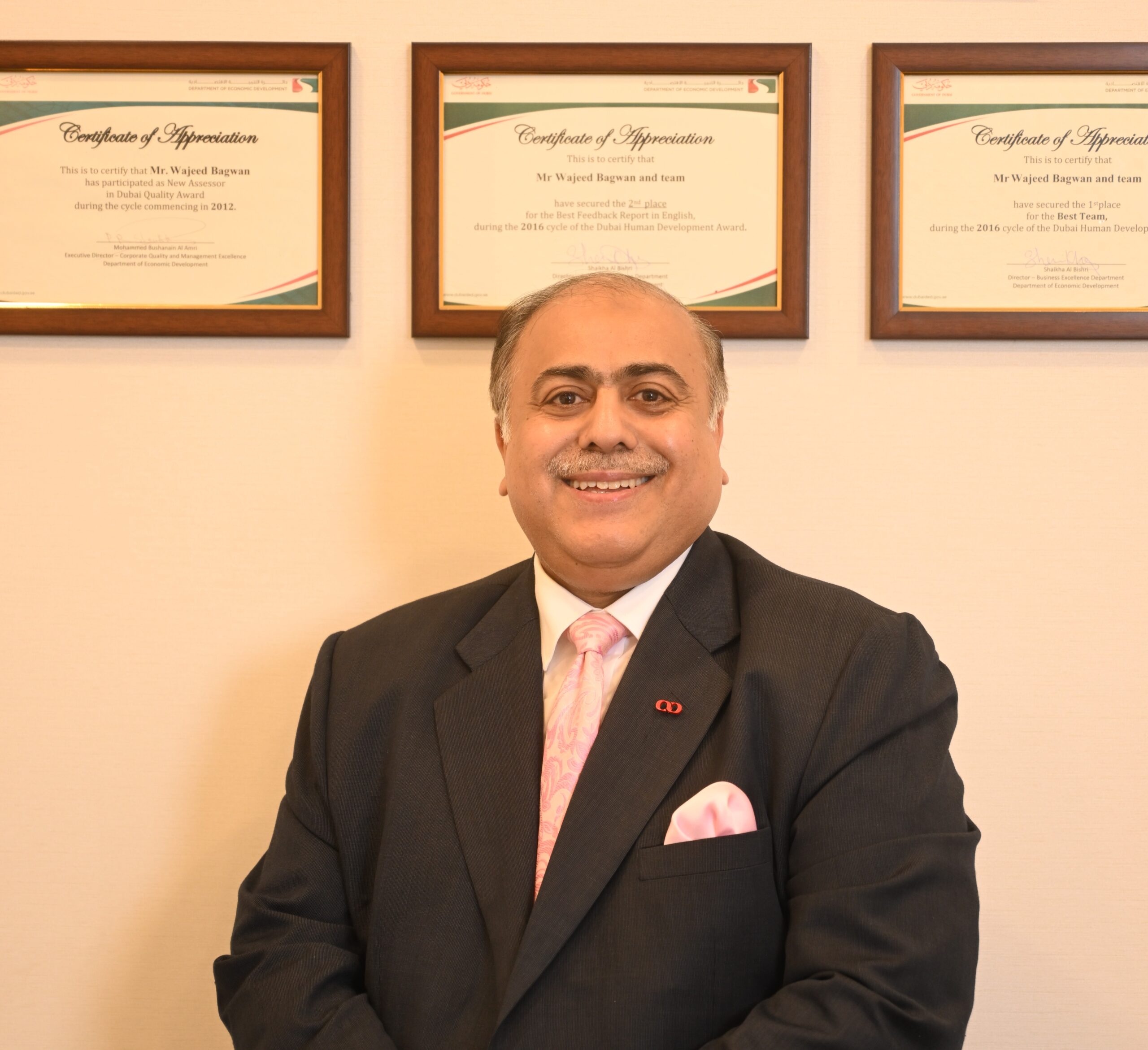
As Bengaluru continues to strengthen its position as India’s technology and innovation hub, the demand for premium extended-stay accommodation is witnessing remarkable growth. Today’s business travellers, expatriates, and corporate executives seek more than just a hotel room—they look for spacious residences, personalised services, wellness-focused amenities, and the comfort of home combined with the standards of luxury hospitality.
In this exclusive interaction, Mr. Wajeed Bagwan, General Manager, Marriott Executive Apartments Bengaluru UB City, shares his insights on the evolving landscape of luxury extended-stay hospitality. He discusses the impact of hybrid work and bleisure travel, the changing expectations of long-stay guests, the future growth of the segment, and how Marriott Executive Apartments Bengaluru UB City is redefining the guest experience by seamlessly blending residential comfort with world-class hospitality.
Bengaluru has established itself as India’s technology and innovation hub. How has this transformation influenced the demand for luxury extended-stay hospitality, and what key trends are you witnessing among today’s business travellers?
Bengaluru’s position as India’s technology and innovation capital has significantly increased demand for quality extended-stay accommodation. With multinational corporations, start-ups, and project-driven assignments attracting talent from across the globe, business travellers increasingly seek residences that combine the comfort of home with the services of a luxury hotel. We are also seeing greater demand for flexibility, personalized experiences, and wellness-focused amenities.
Business travel is evolving rapidly with hybrid work, bleisure travel, and longer project-based assignments. How do you see these trends shaping the future of extended-stay hospitality?
The lines between business and leisure travel continue to blur. Guests today often extend work trips to explore destinations or accommodate hybrid working arrangements. As a result, extended-stay hospitality is evolving to offer larger living spaces, work-friendly environments, and lifestyle experiences that support both productivity and relaxation during longer stays.
The luxury extended-stay segment is gaining significant momentum in India. What factors are driving this growth, and how do you see the market evolving over the next five years?
The segment’s growth is being driven by increasing corporate mobility, global talent movement, infrastructure development, and the rising preference for residential-style accommodation during long assignments. Over the next five years, we expect continued expansion as more travellers prioritize flexibility, privacy, and a sense of belonging during extended stays.
Corporate relocations today place greater emphasis on employee well-being and lifestyle. How can hospitality providers contribute to a more seamless relocation experience while supporting organizations’ mobility strategies?
Successful relocations today go beyond providing accommodation. Hospitality providers can play a critical role by offering seamless arrivals, convenient locations, wellness facilities, personalized services, and community-building experiences. These elements help employees settle faster, remain productive, and enjoy a better overall relocation experience.
With Bengaluru attracting a growing global workforce alongside professionals relocating from across India, what are the key expectations of long-stay guests, and how are these influencing the design and services offered by premium serviced residences?
Long-stay guests increasingly expect spacious accommodations, fully equipped kitchens, reliable connectivity, fitness and wellness facilities, and personalized service. These expectations are influencing the design of premium serviced residences, which are becoming more residential in feel while retaining the standards and conveniences associated with luxury hospitality.
Luxury today is increasingly defined by flexibility, technology, wellness, and personalized experiences. How are these changing expectations reshaping the extended-stay hospitality segment?
Luxury today is defined less by extravagance and more by relevance, convenience, and personalization. Guests value intuitive technology, wellness-centric offerings, sustainability, flexibility, and tailored experiences. Extended-stay brands that successfully combine these elements with genuine hospitality are best positioned to meet evolving guest expectations.
Having led luxury hospitality brands across India and the Middle East, what do you see as the biggest opportunities and challenges for India’s extended-stay hospitality sector, and what will define success in the years ahead?
India presents tremendous opportunities due to economic growth, expanding business hubs, and increasing international mobility. The key challenge will be maintaining consistent service excellence while scaling to meet demand. Success will be defined by the ability to deliver personalized, high-quality experiences that balance the comforts of home with the standards of luxury hospitality.
Read more at TravelMail | Follow us on Facebook | Twitter | and Instagram for on-the-go news