
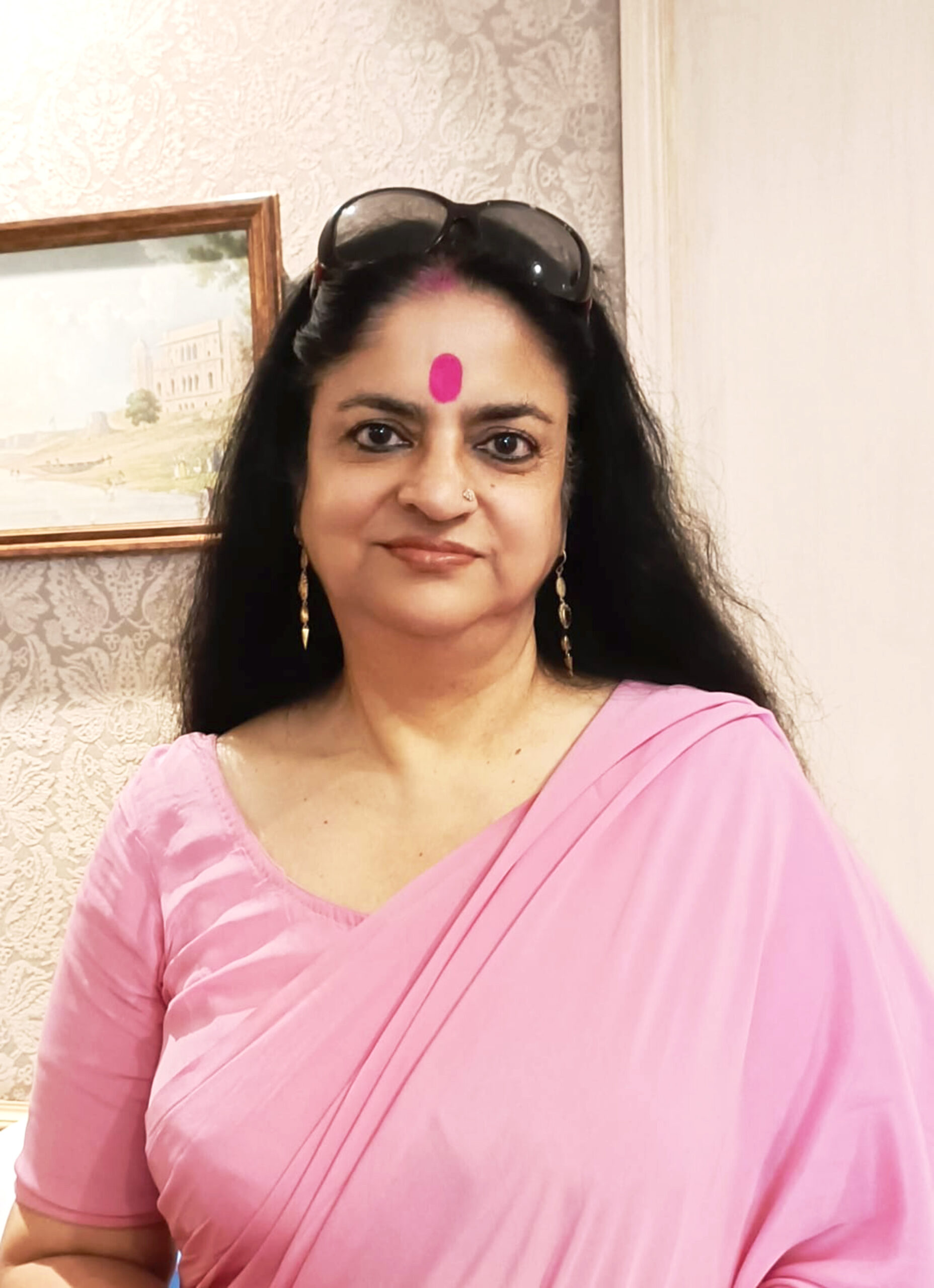
As the global travel landscape evolves towards experience-driven, sustainable, and wellness-focused journeys, the role of women in shaping the tourism sector is becoming increasingly significant. In this exclusive interaction with Travel Mail, Jyoti Mayal, Chairperson of the Tourism & Hospitality Skill Council (THSC), shares her insights on emerging travel trends, the importance of collaboration between industry and government, and the growing influence of women entrepreneurs in tourism. She also highlights the crucial role of media in amplifying women’s voices and outlines her vision for a more inclusive, skill-driven, and globally competitive Indian travel industry.
As travel continues to evolve globally, what emerging trends excite you the most, and how can women entrepreneurs leverage these opportunities?
What excites me most is the strong shift towards experience-led, sustainable, and wellness-driven travel, along with the growing preference for authentic, community-based tourism. Today’s travellers are seeking deeper connections with destinations — whether through local culture, food, nature, or purpose-led travel — rather than just traditional sightseeing. This evolution is creating new spaces for innovation across homestays, wellness and yoga retreats, eco-tourism, culinary tourism, and heritage and craft-based experiences.
These trends are particularly well-aligned with women-led entrepreneurship. Women are uniquely positioned to curate personalised, trust-led, and community-rooted experiences that modern travellers value. Technology further amplifies this opportunity, allowing women entrepreneurs to reach global audiences through digital platforms, social media, and online travel marketplaces. With focused skilling, access to finance, and structured mentorship, women can scale these models efficiently and build sustainable tourism enterprises that combine commercial success with social and environmental impact.
How important is collaboration between industry bodies, government, and women leaders in driving inclusive growth in the travel sector?
Collaboration between industry bodies, government, and women leaders is not just important; it is essential for building an inclusive and future-ready travel and tourism ecosystem. Each stakeholder plays a distinct and complementary role.
When all these forces come together, they enable targeted skilling initiatives, access to finance, and structured pathways for women to enter, sustain, and scale within the tourism value chain. At THSC, we see public-private partnerships as a powerful enabler for bridging skill gaps and creating meaningful employment, particularly in Tier 2, Tier 3, and rural destinations.
Such collaboration also ensures that tourism growth is geographically balanced and socially inclusive. It helps integrate women not only as workforce participants but as entrepreneurs, decision-makers, and leaders, ensuring that tourism becomes a true driver of equitable economic development.
What role does media, especially travel publications like Travel Mail, play in amplifying women’s voices and achievements in tourism?
Media plays a critical role in shaping industry narratives and creating visibility for women’s leadership and contributions within travel and tourism. Publications like Travel Mail act as important platforms to spotlight women entrepreneurs, professionals, and changemakers whose journeys can inspire greater participation and ambition across the sector.
By telling these stories, the media helps normalise women’s leadership in tourism and challenges traditional perceptions around roles and capabilities. This visibility is particularly impactful for young women entering the workforce, who benefit from seeing relatable role models and real examples of career and entrepreneurial success.
Beyond recognition, media also bring attention to key themes such as skill development, workplace inclusion, sustainability, and responsible tourism. Consistent coverage of women’s achievements helps build a more balanced and progressive industry narrative — one that positions women not just as contributors, but as strategic drivers of growth, innovation, and transformation in Indian tourism.
Looking ahead, what is your vision for the Indian travel industry, and how do you see women shaping its global narrative?
My vision for the Indian travel and tourism industry is to see India emerge as a global leader in experiential, sustainable, and skill-driven tourism. As infrastructure, connectivity, and digital adoption continue to improve, India has the opportunity to position itself as a destination that offers not only scale but quality, authenticity, and responsible travel experiences.
Women will be central to shaping this global narrative. From leading hospitality enterprises and destination management companies to driving community-based tourism, wellness travel, and cultural experiences, women bring a strong focus on guest experience, trust, and long-term value creation. Their leadership will be instrumental in ensuring that India’s tourism growth is inclusive, ethical, and community-centric.
At THSC, our focus is on strengthening women’s participation through skilling, leadership development, and entrepreneurship pathways. As more women step into leadership roles, they will help project India as a progressive, people-first, and globally competitive tourism destination.
Read more at TravelMail | Follow us on Facebook | Twitter | and Instagram for on-the-go news