
Where the Wild Sets Its Own Rules
Some journeys give you photographs. Others leave you with memories that stay long after you have returned home. In Kenya’s Maasai Mara, two days among vast grasslands, extraordinary wildlife, and encounters with the Maasai community reminded me that the best journeys are rarely the ones you can plan.
There is a moment, somewhere between leaving Nairobi and landing in the Maasai Mara, when the world below begins to look different.
Our aircraft made two stops before reaching the airstrip closest to Mara Intrepids Camp. From the window, the landscape unfolded in enormous patches of green and gold. I could make out giraffes moving across the open land, zebras scattered across the grasslands, hippos in the water and rivers cutting through the wilderness. It was difficult not to keep looking down. The flight itself felt like an adventure, almost as though we were leaving the familiar world behind and entering somewhere that belonged to another time.
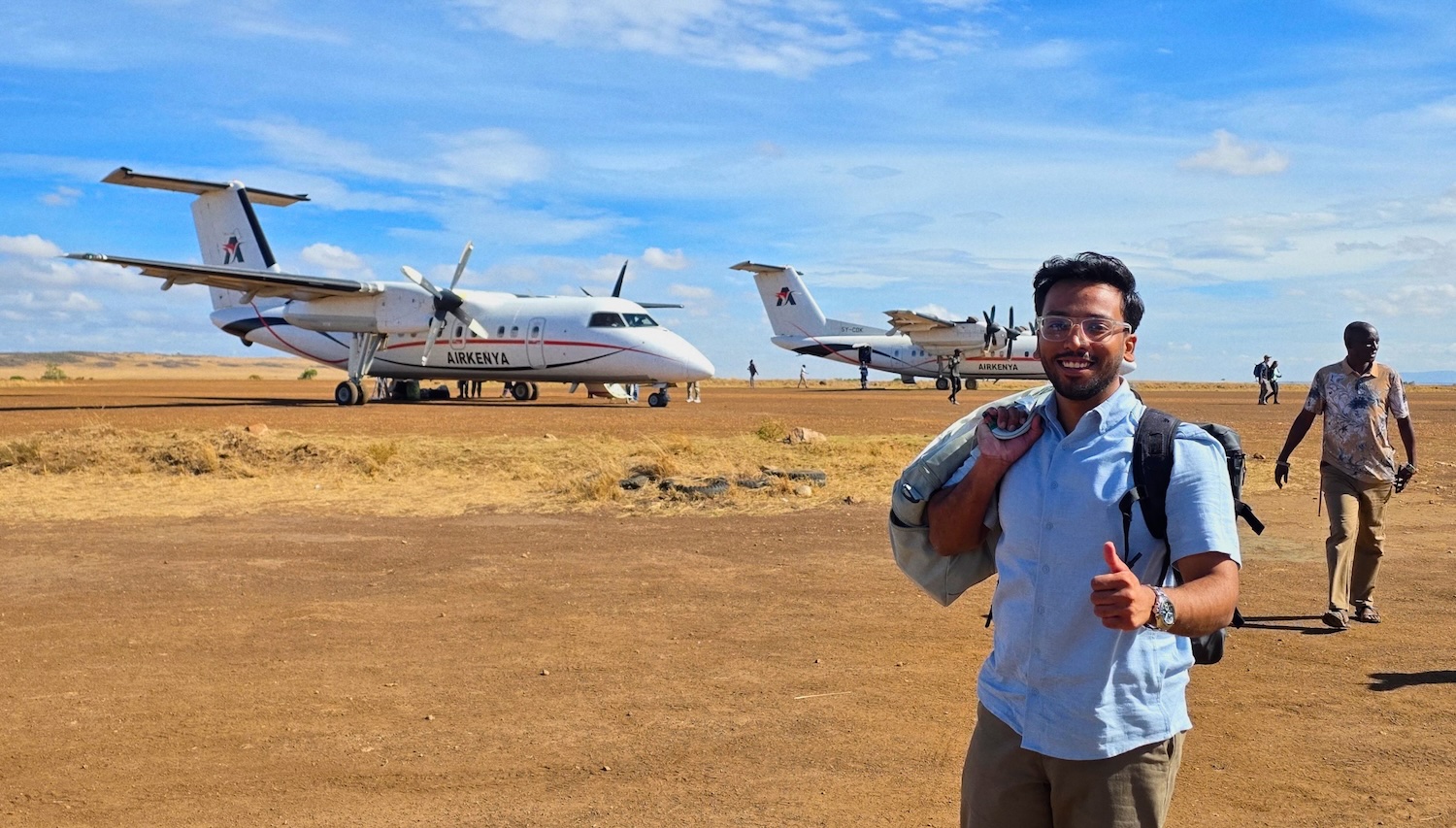
When we finally landed, I said goodbye to the pilots with a joke that we probably would not see them for another three days. For a little while, it genuinely felt as though we had landed on another planet.
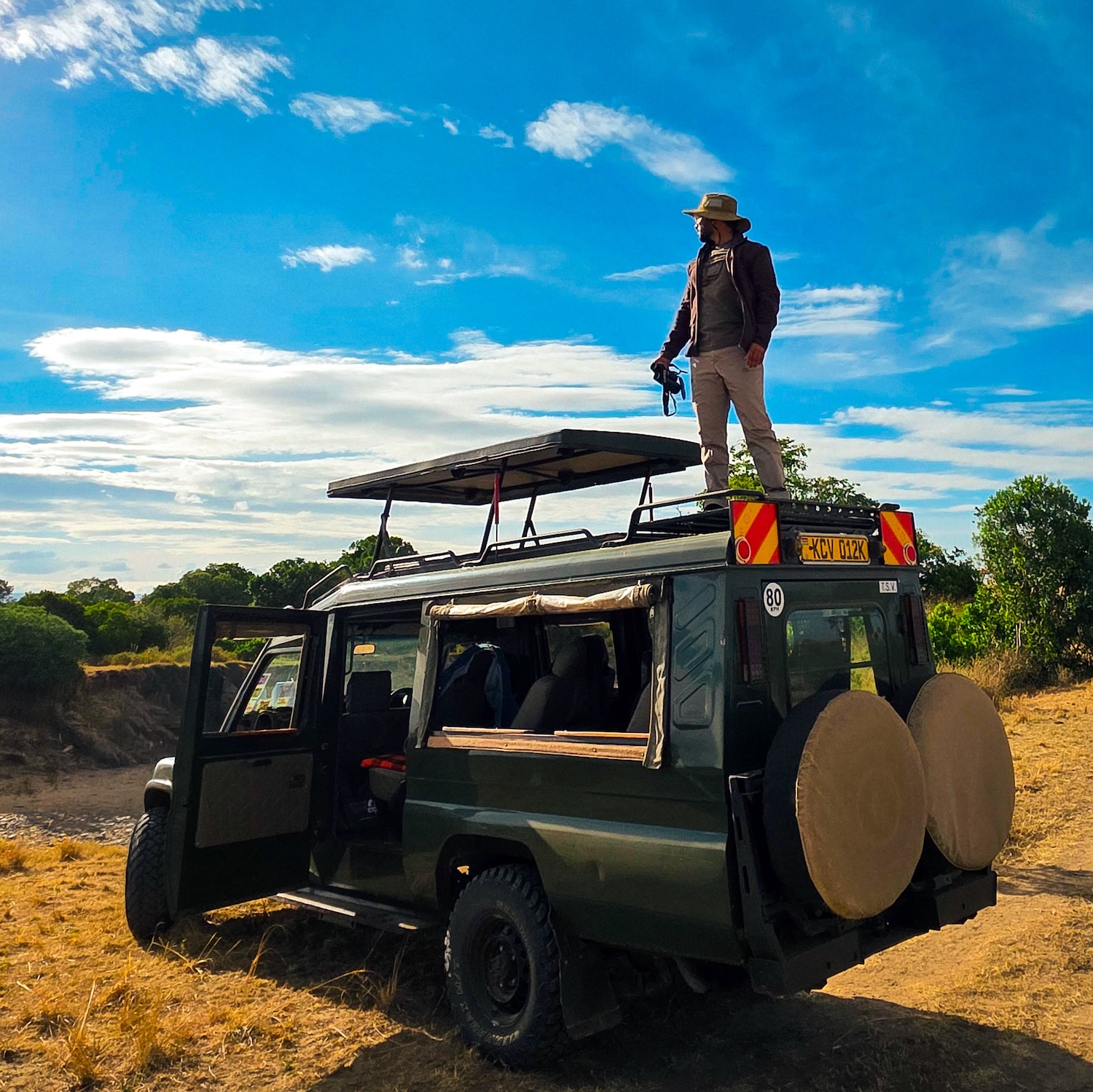
Our guide, Simone, a Maasai man from the local community, was waiting in a 4×4. There was no long pause to settle in. We were heading straight out for a game drive.
The first sighting was a family of giraffes, their long necks rising above the grass, with younger ones close by. Then came the familiar excitement of a radio call. Another vehicle had spotted a lion kill, and we changed direction.
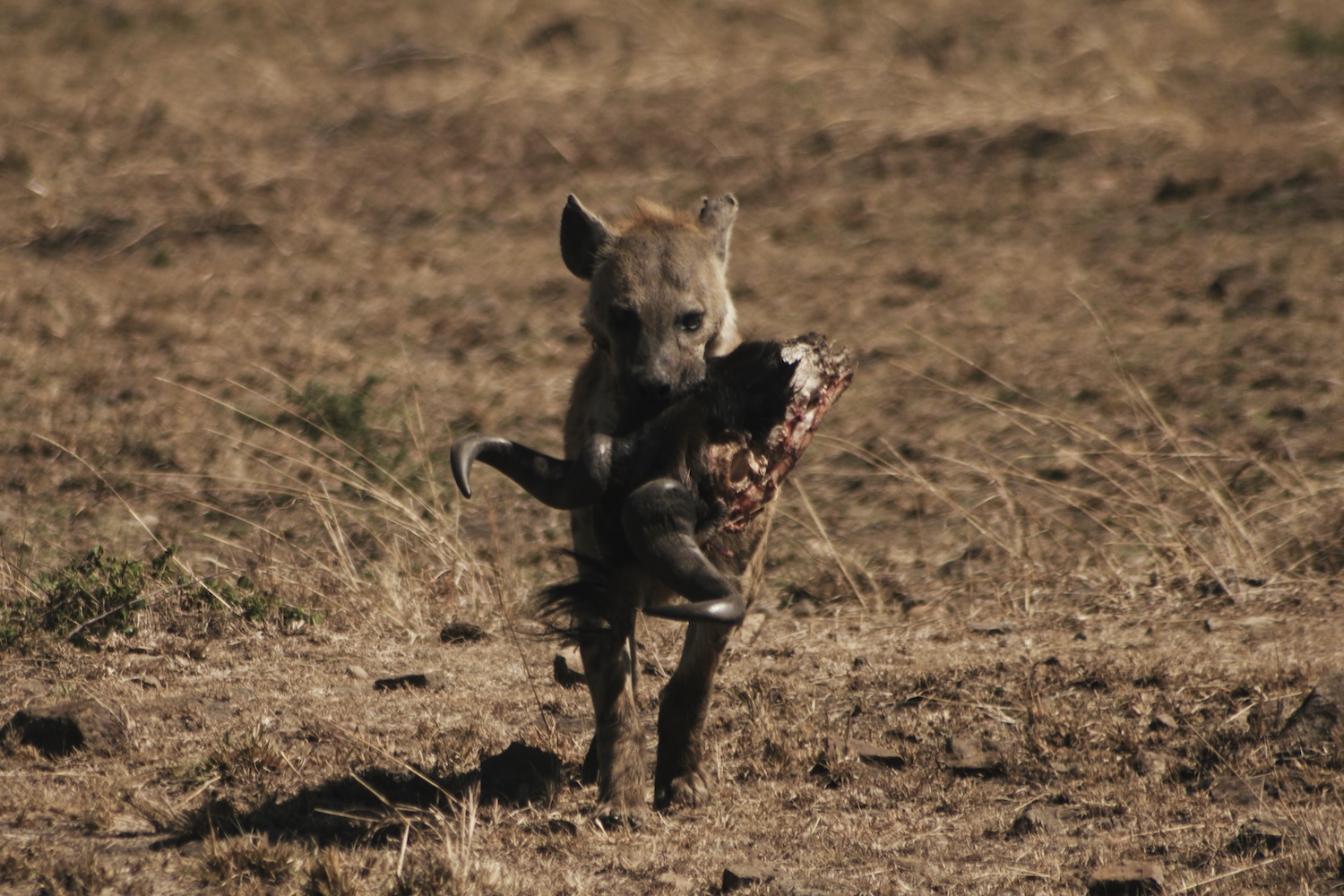
By the time we arrived, the hunt was over. A wildebeest had been killed, and a hyena had managed to grab its head and run off with it. Nearby, dozens of wildebeest gathered beneath the shade of a solitary tree. It was a reminder that the Mara is not a wildlife park arranged for visitors. There are no guarantees, no performances and certainly no schedule. You arrive when you arrive; nature has already moved on.
A little later, we found a cheetah resting beneath the bushes. We stayed for around fifteen minutes. It looked toward our vehicle, held our gaze for a moment, then returned to watching its surroundings. There was no dramatic chase or sudden movement. Just an animal at rest, completely at home in a landscape that we were only beginning to understand.
That is one of the things nobody quite prepares you for: how much of a safari is about waiting.
And moving. The game drives can be wonderfully bumpy. A radio call might send vehicles changing direction, and a guide may have to navigate rough tracks and make quick turns to reach a better viewing position. You find yourself holding on as the vehicle moves across uneven ground, sometimes bouncing around more than you expected. Every guide wants guests to have a memorable sighting, but the best moments still depend on patience, good judgement and giving wildlife its space. You cannot make the animals appear just because you have travelled thousands of kilometres to see them.
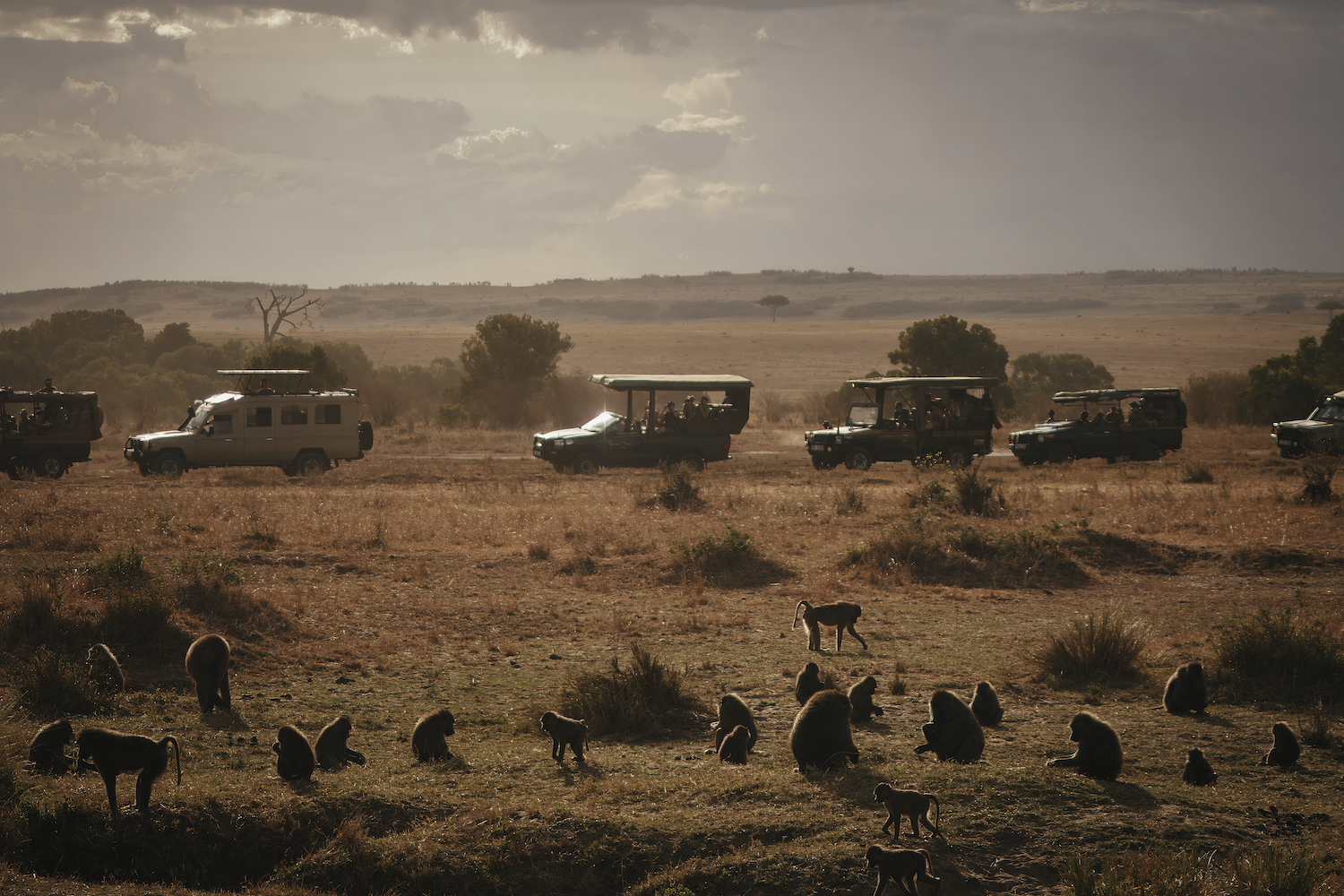
After checking in at Mara Intrepids Camp, we headed out again. In the evening, we watched a group of olive baboons approach a resting lion. They moved cautiously around it, stopping and looking in its direction. We watched for nearly half an hour, fascinated by the quiet tension of the scene. Later, we came across a pride of lions with cubs, resting together and grooming one another.
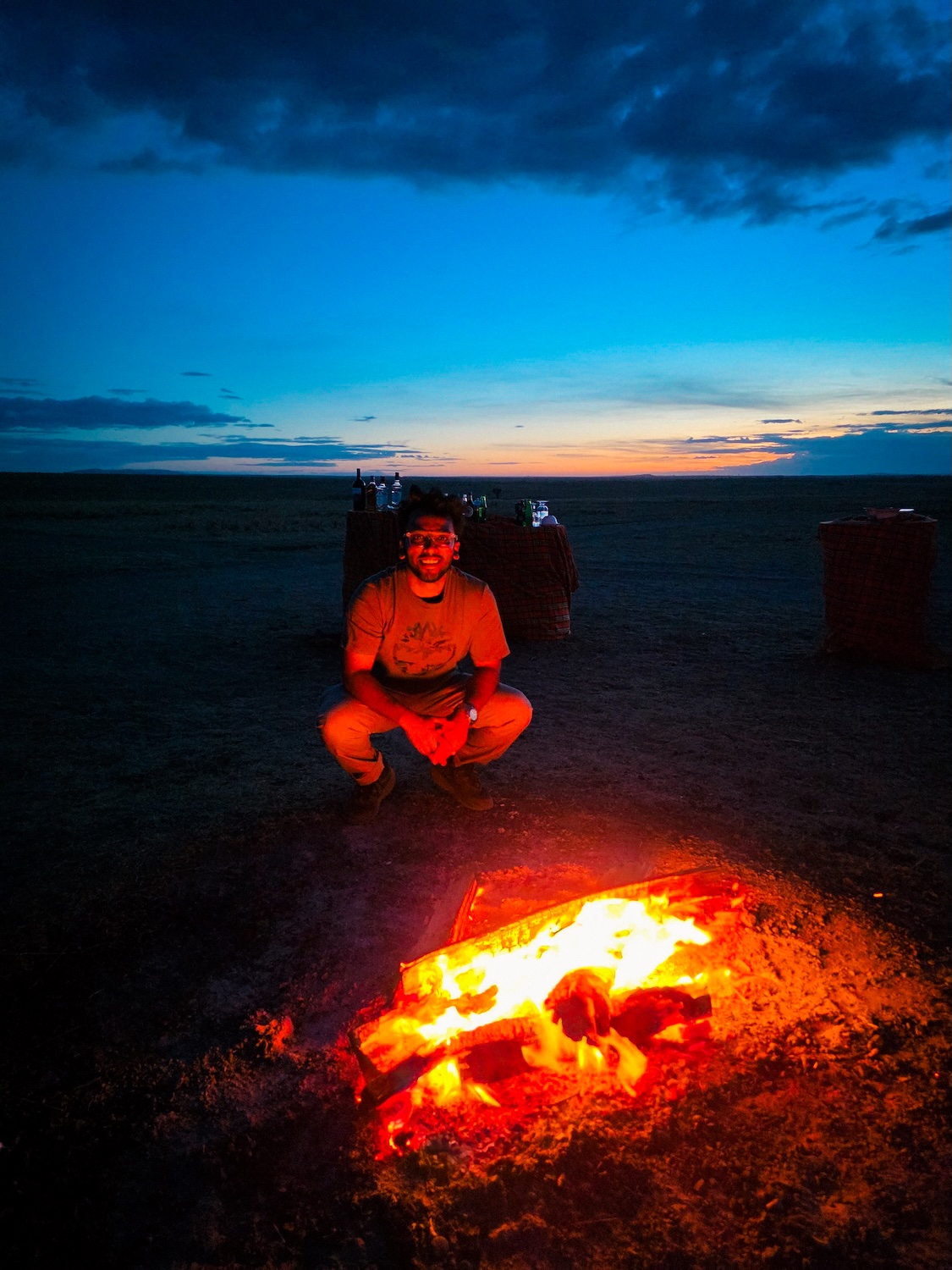
The day ended with a private sundowner arranged for our group. Drinks, a barbecue and the last light of the day made for a beautiful evening in the open wilderness. Back at camp, dinner was followed by a little stargazing. Away from the city lights, the sky seemed to have room for an endless number of stars.
A morning that stayed with me
The next morning began at 6 am. It was chilly, and a black coffee was very welcome. I was still sleepy, but the excitement of the previous day had made it impossible to stay in bed.
The air was raw, fresh and wonderfully clean. There was something about it, the smell of the grass, the earth and the open wilderness that made every breath feel different.
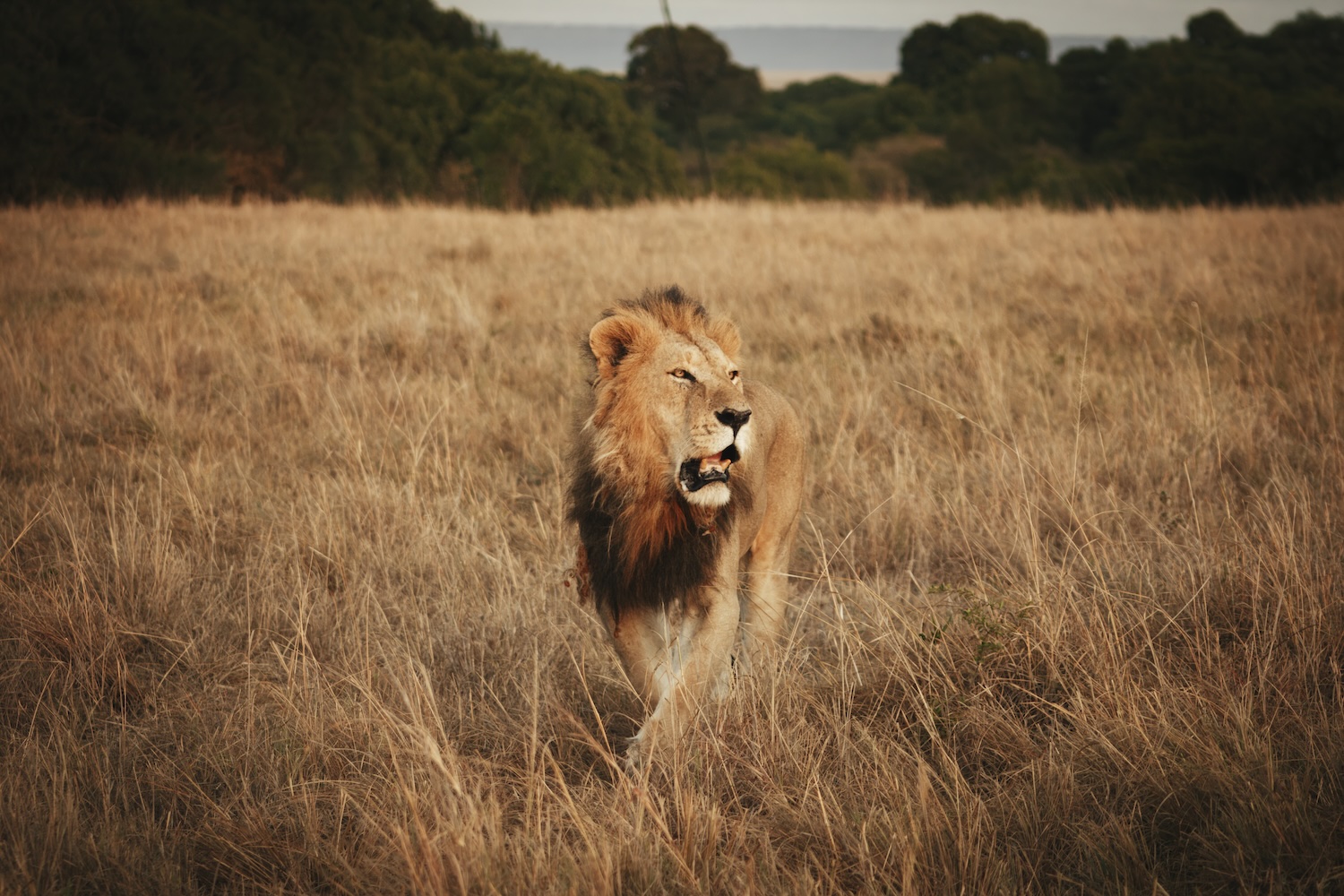
We were out for the sunrise when the sky began to change colour. I remember looking across the grasslands and wishing, quite sincerely, that time would slow down. Then, only a few minutes later, a magnificent male lion with a full, heavy mane began walking towards our vehicle.
We stopped. The lion came closer and passed by us. For a moment, the sounds around us seemed to disappear. I could hear its breathing and the grass moving as it walked. I watched it disappear into the bushes, trying to take in what had just happened. It was one of those rare encounters that a photograph can record but never quite explain. I was so moved that I nearly cried.
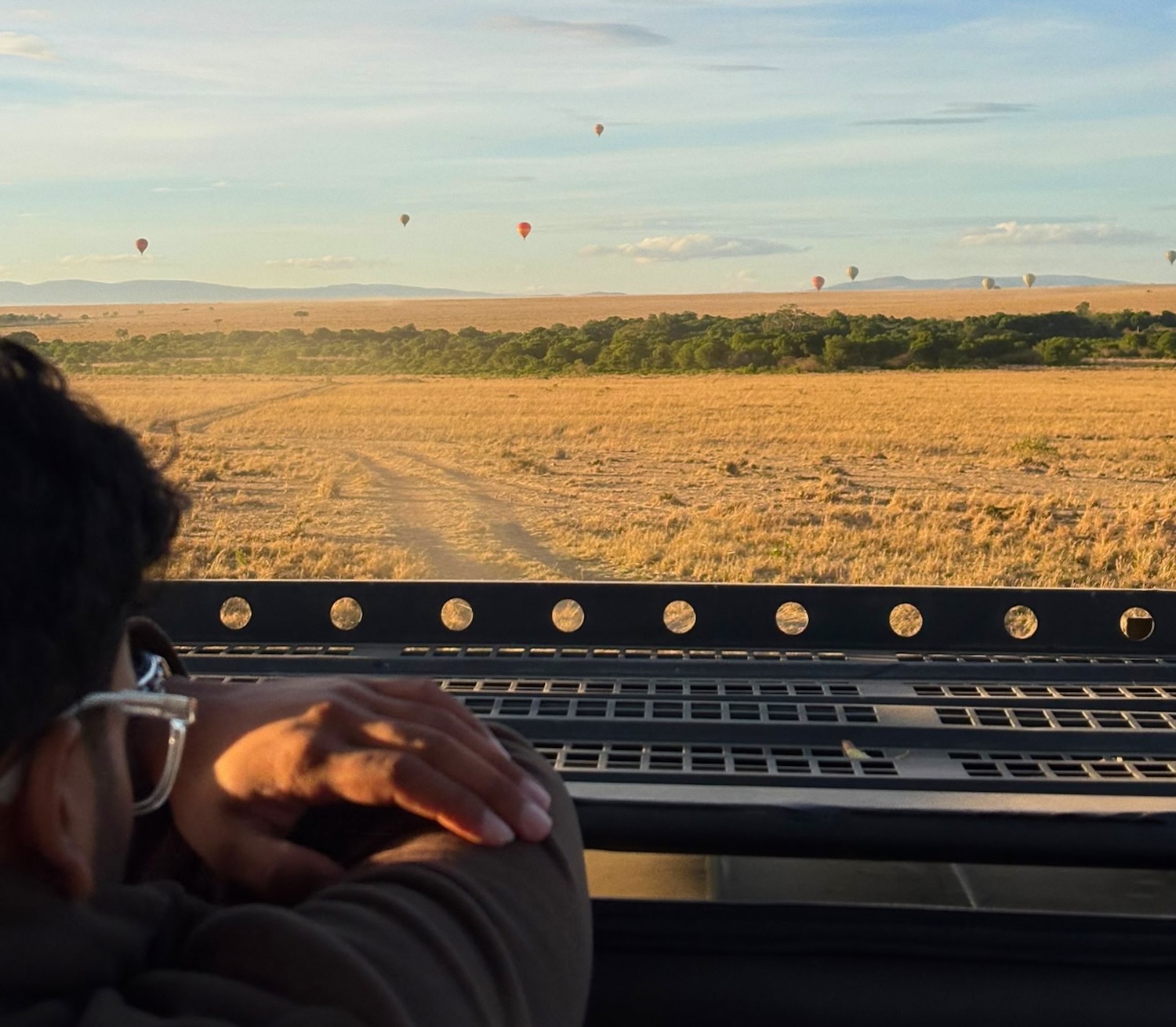
And the Mara was not finished surprising us. In the distance, more than twenty hot-air balloons floated above the grasslands, their envelopes glowing in the early morning light. It was a spectacular sight, and one that made the landscape feel even more immense.
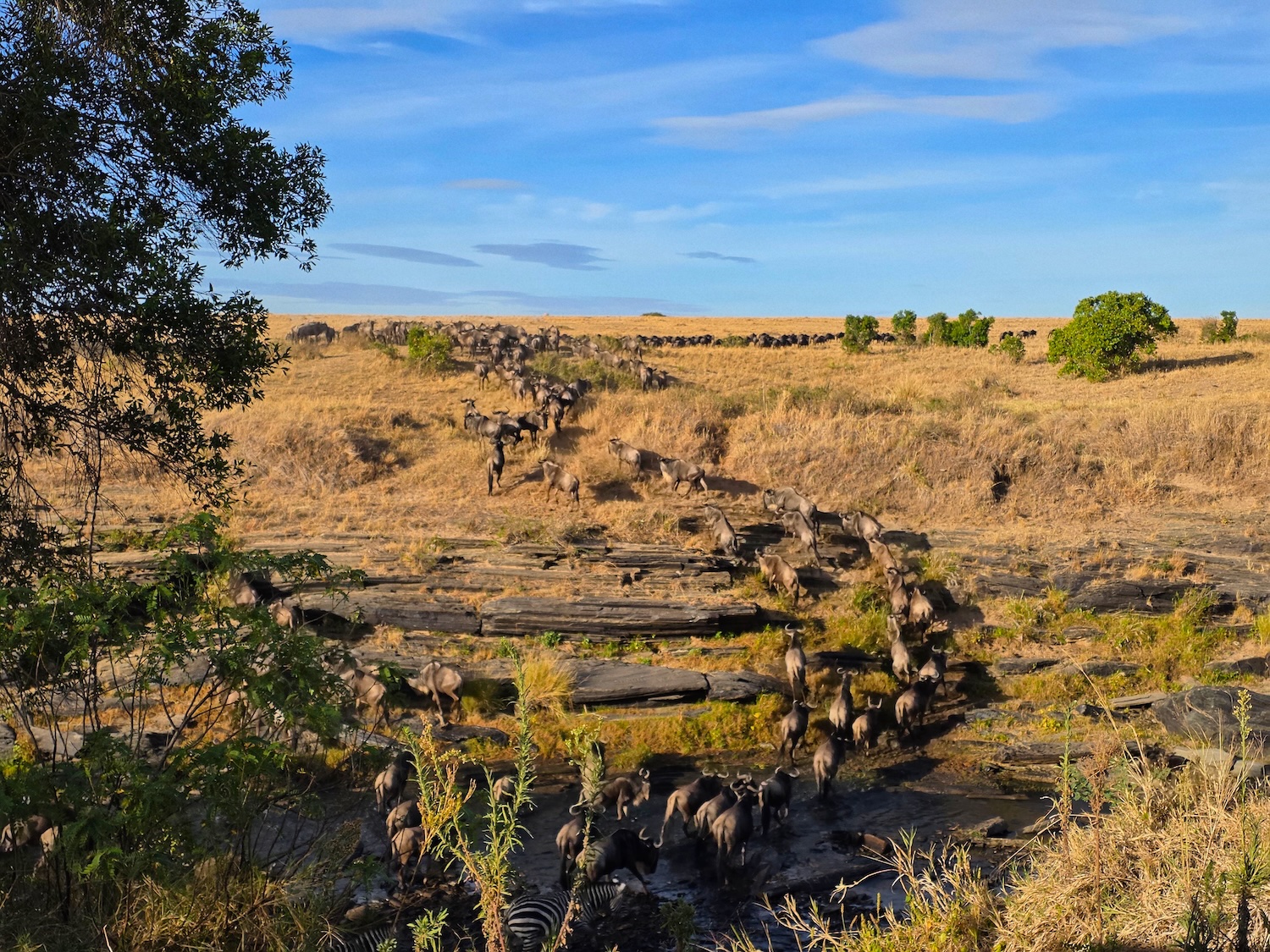
Soon afterwards, we watched a group of wildebeest cross a river. Their hooves struck the ground, and water splashed as they made their way across. Simone reminded us that crocodiles lived in the water, and that every crossing carried its own risks. We did not need to see a crocodile to understand the danger. The animals were moving through a landscape where survival is part of everyday life.
Our morning continued with a bush breakfast. There was no dining table or elaborate setup. The team had brought breakfast boxes, which were placed on the bonnet of our safari vehicle. We opened them ourselves, poured black coffee and enjoyed breakfast in the middle of the Mara, with hippos nearby in the water. It was simple, wonderfully unexpected and perhaps all the more memorable for it.
Meeting the people of the Mara
One of the most meaningful parts of the visit was a cultural experience at a Maasai village, arranged as part of our programme. We were welcomed by Naurori, who introduced himself as our guide for the visit and promised an educational hour exploring the community and its way of life.
He began not with a performance, but with identity. Explaining Kenya’s three broad linguistic groupings: Bantu, Nilotic and Cushitic. He placed the Maasai among the Plain Nilotes. He also spoke about the different Maasai clans and how these shape family relationships.
“Because a member of the clan is just like a family,” he explained. Marriage, he told us, traditionally takes place outside one’s own clan, with people marrying into another clan rather than within their own. It was a simple explanation, but it offered an interesting insight into how community and kinship are understood.
Then came a detail I found particularly memorable. Naurori broke down the name Maasai itself. As he explained it to us, “Maa” represents the language spoken by the community, while “sai” refers to the people who speak it. In his words, the Maasai are the people who speak Maa.
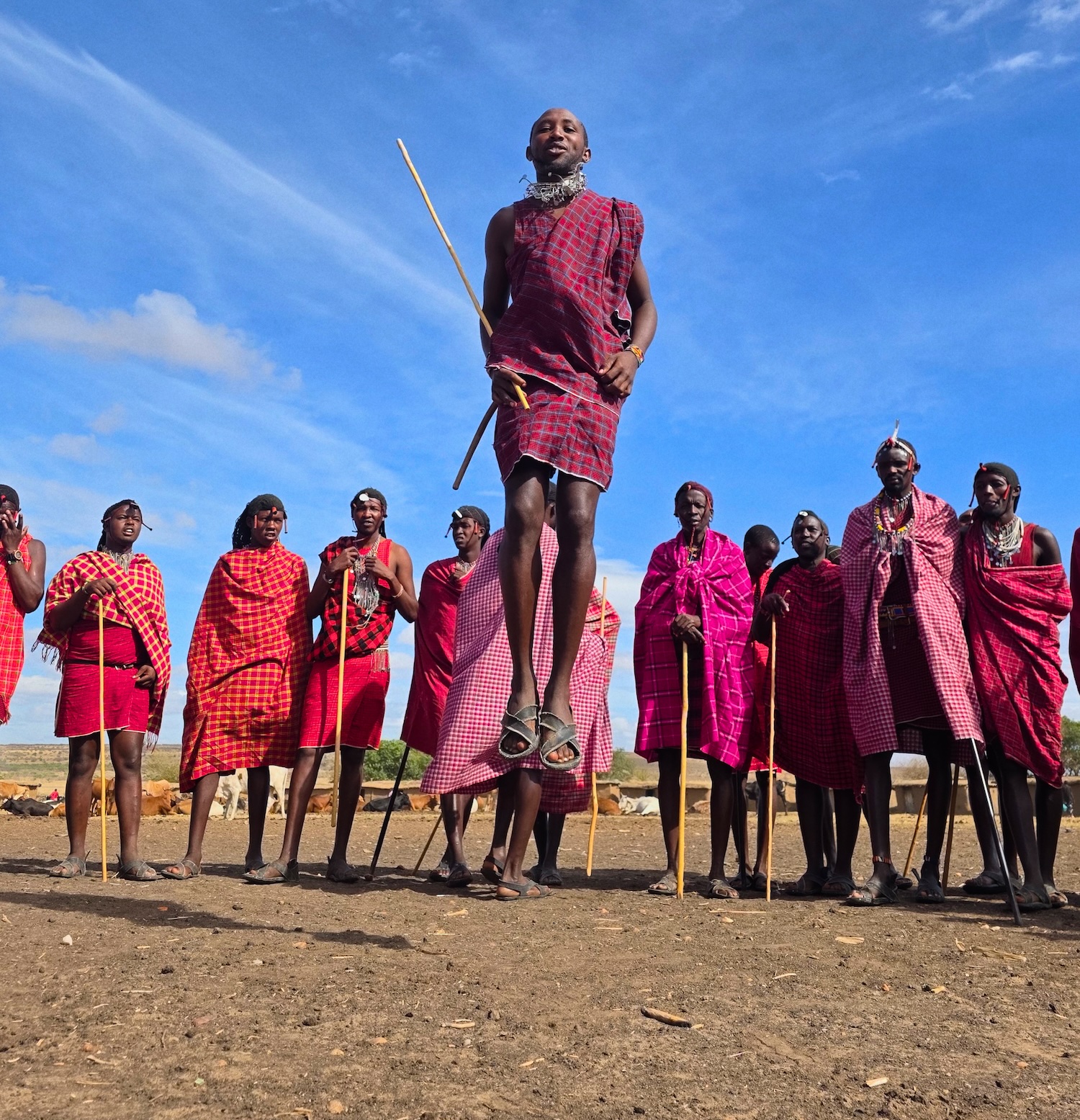
He also told us that approximately 350 people lived in the village, across around 50 houses. We were invited to visit one of the homes and see how people lived. The welcome continued with traditional songs and dances performed by men and women from the community. The men demonstrated their famous jumping dance, while the group gathered for photographs and conversation.
We saw cattle, chickens, dogs and children going about their day. Our hosts demonstrated how fire could be made using sticks and explained the importance of cattle, including as a source of milk. Inside the homes, lighting was limited, with small solar lights providing illumination. We also saw colourful beadwork and clothing that form an important part of Maasai identity.
During the visit, we were told about the significance of jumping among Maasai men. The explanation we received linked a young man’s jumping ability with traditional ideas of strength and courtship. We were told that, in the custom described to us, a particularly high jumper could be rewarded with four cows and the prospect of marriage. Traditions and their meanings can differ between Maasai communities, but it was a fascinating part of the explanation shared with us.
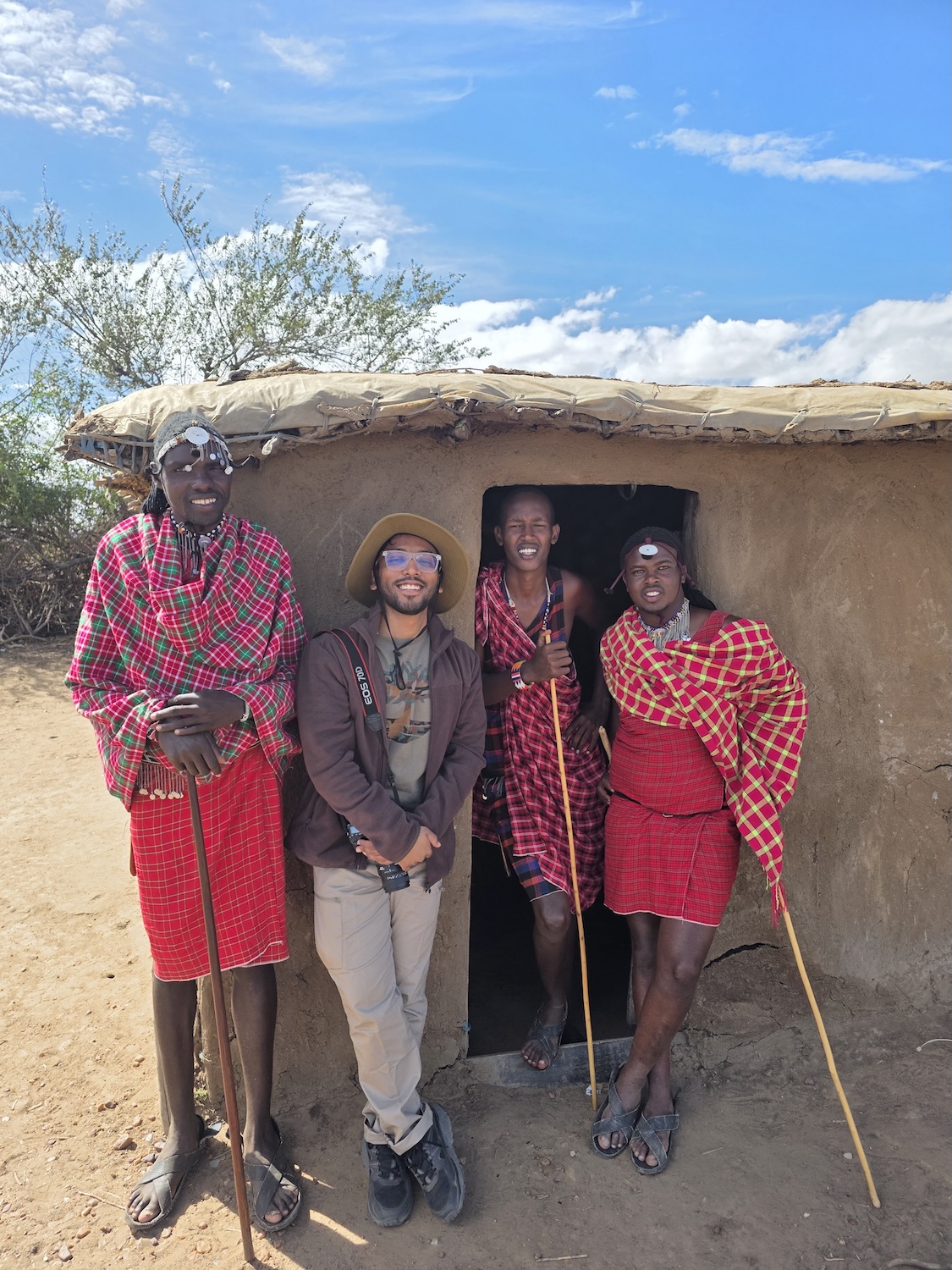
What stayed with me was not just the welcome or the performance, but the opportunity to hear people speak about their lives in their own setting. A cultural visit can only offer a glimpse of a community, of course, but it can still make a journey more meaningful when approached with curiosity and respect.
The Mara’s final moments
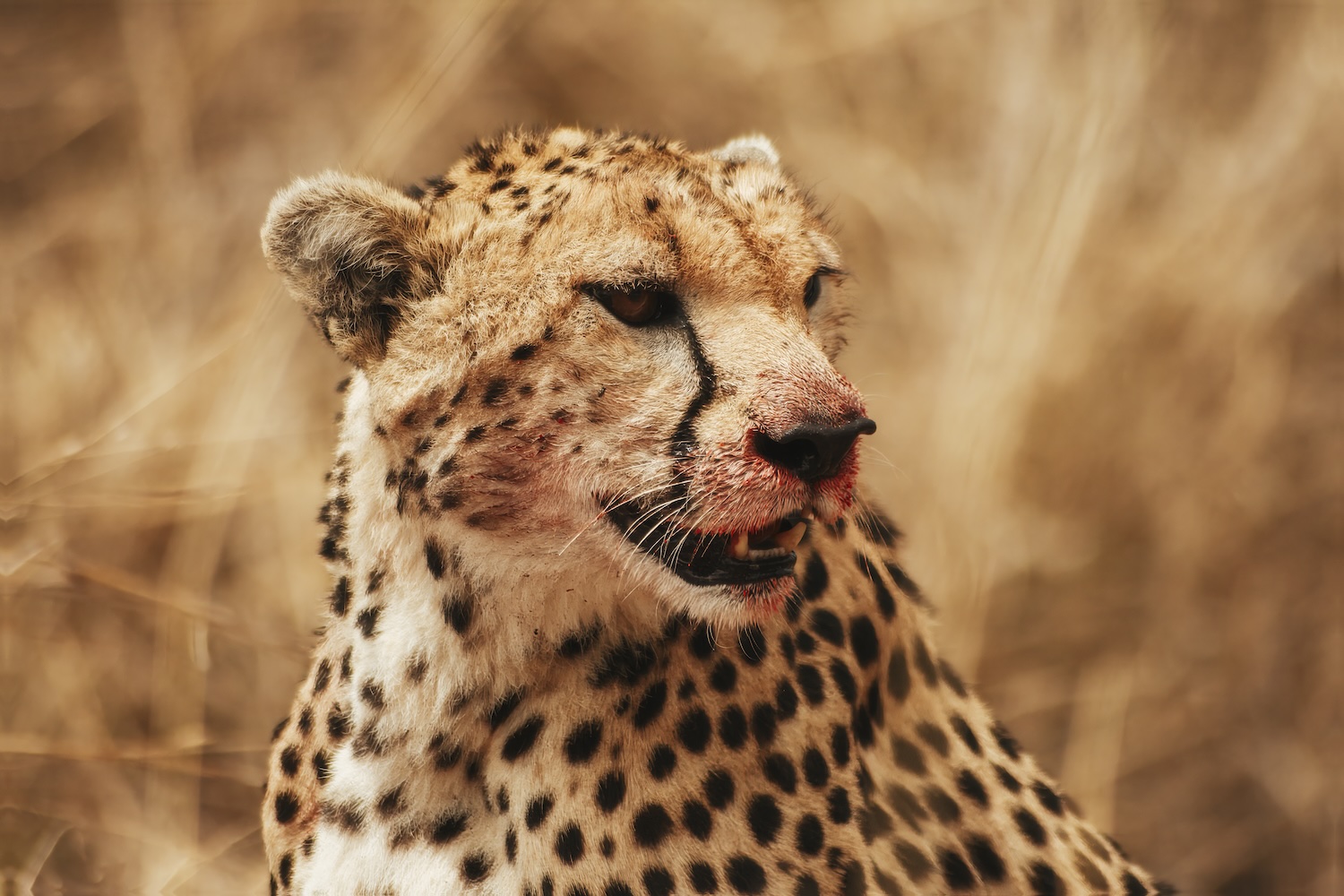
Our final afternoon game drive brought another extraordinary sighting. A radio call led us towards several safari vehicles gathered around a cheetah that had already caught an antelope. It was feeding, seemingly undisturbed by the vehicles watching from a respectful distance. We could hear the sounds of it eating and see the remarkable concentration with which it went about its meal.
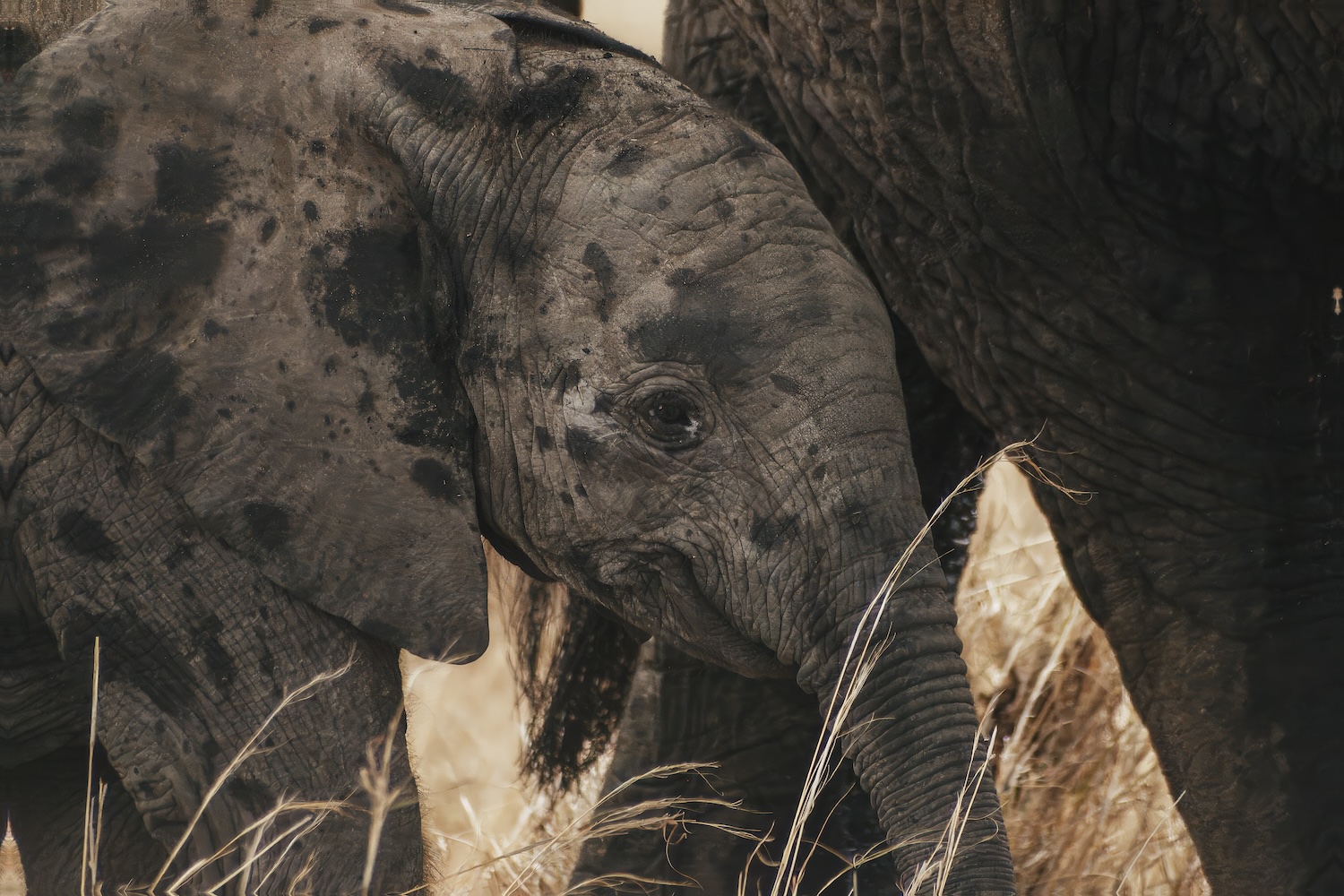
Then came an elephant family. We were close enough to notice a young calf keeping itself tucked behind its mother. Their bodies were still wet, as though they had recently been bathing, and they moved through the grass, feeding on leaves and vegetation. We also spotted another pride of lions resting along a ridge.
By evening, we headed out for one last sundowner. The weather had other plans. There was no golden sunset this time; the sky turned shades of purple, the wind picked up and keeping hold of food and drinks became an adventure of its own. It was not the picture-perfect farewell we might have imagined, but it was memorable in its own way.
Back at Mara Intrepids, we had our final dinner by the pool. The camp had become familiar in just two days, and the thought of leaving felt unexpectedly difficult.
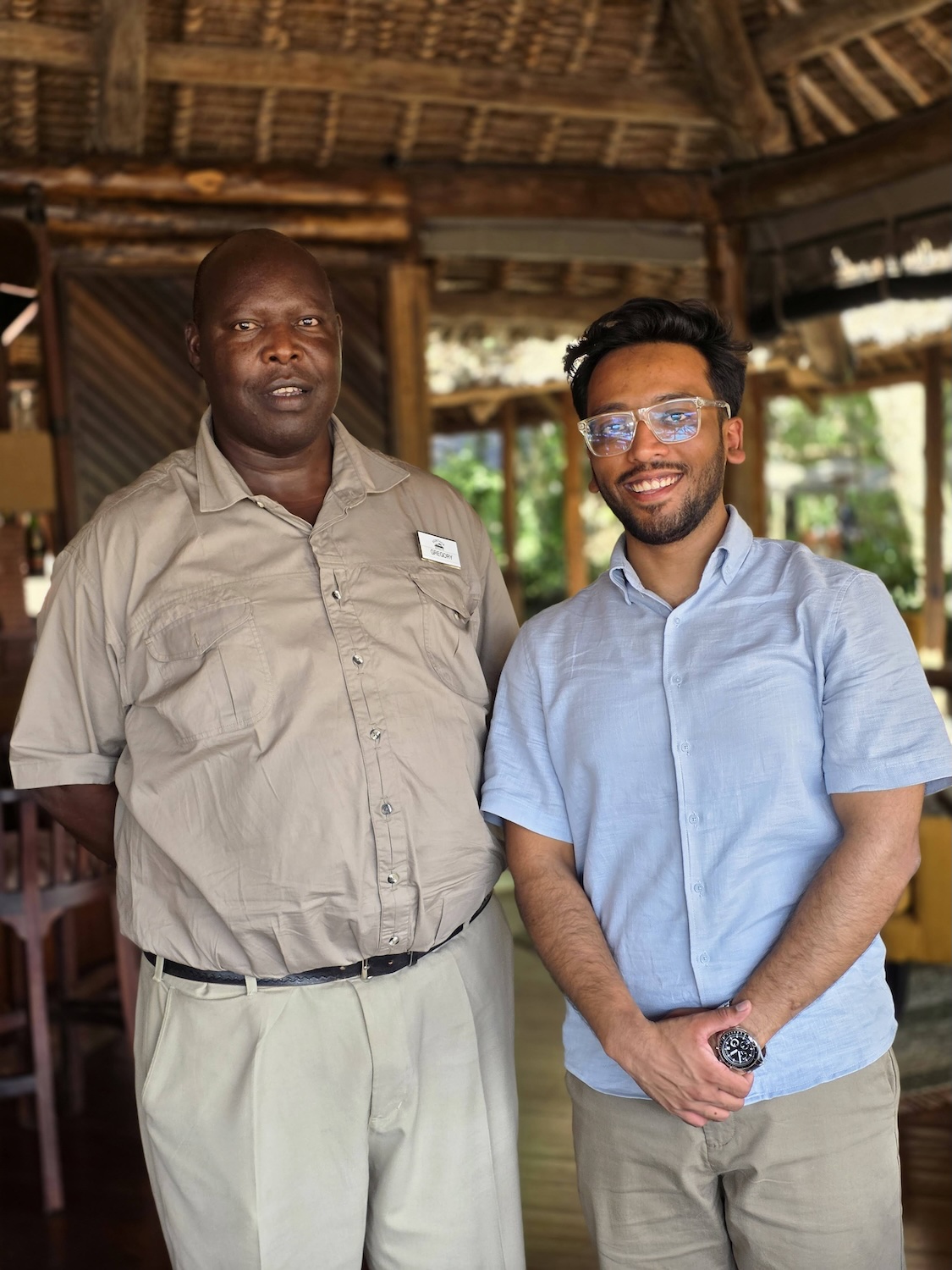
Mara Intrepids is part of Heritage Hotels, and its General Manager, Gregory Wabuge, told us that the property has 30 tents and can accommodate up to 60 guests. He spoke particularly about the importance of hospitality and repeat visitors. “We ask all the tour operators and everybody to give us a chance because we are not going to disappoint,” he said, describing it as a service promise. The camp’s location, he added, places guests within reach of different parts of the reserve.
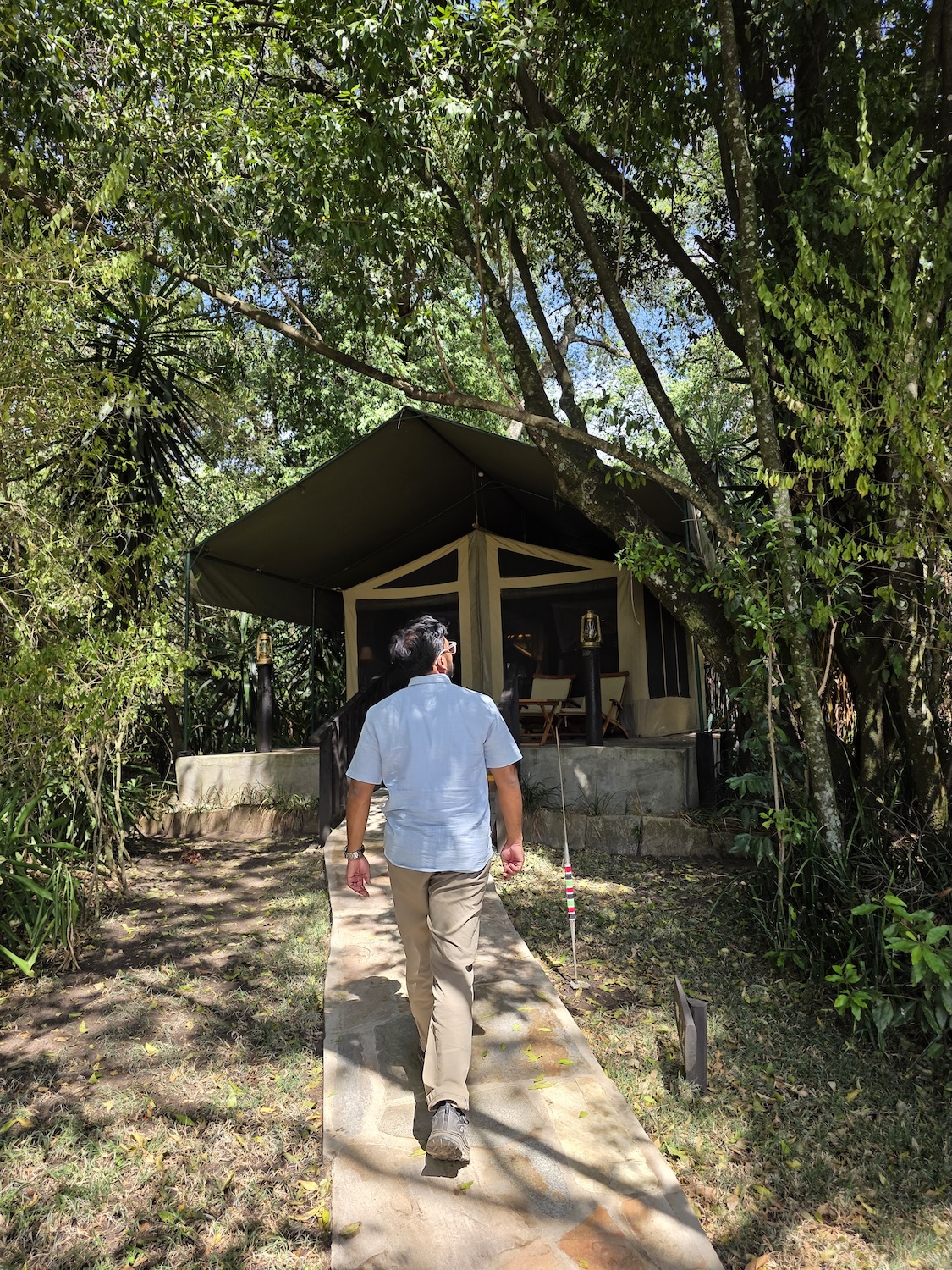
The following day, as we waited near the airstrip for our flight back to Nairobi, I kept looking across the landscape, hoping to spot one more animal. Laikipia and the next part of our Kenyan journey were waiting, but a part of me was still back in the Mara.
Two days had given us lions, cheetahs, elephants, giraffes, wildebeest, a Maasai welcome, extraordinary mornings and evenings under an open sky. Yet the experience was about more than the number of animals we had seen.
The Mara does not arrange itself around a visitor’s expectations. It asks you to wake early, wait patiently, hold on through the bumpy tracks and accept that the most memorable moments often arrive without warning. It reminds you that you are a guest in a world that existed long before you arrived and will continue long after you leave.
I came for a safari, but I left with something harder to put into words and a feeling that I would have to return.
The Mara had my heart.
Read more at TravelMail | Follow us on Facebook | Twitter | and Instagram for on-the-go news.

