
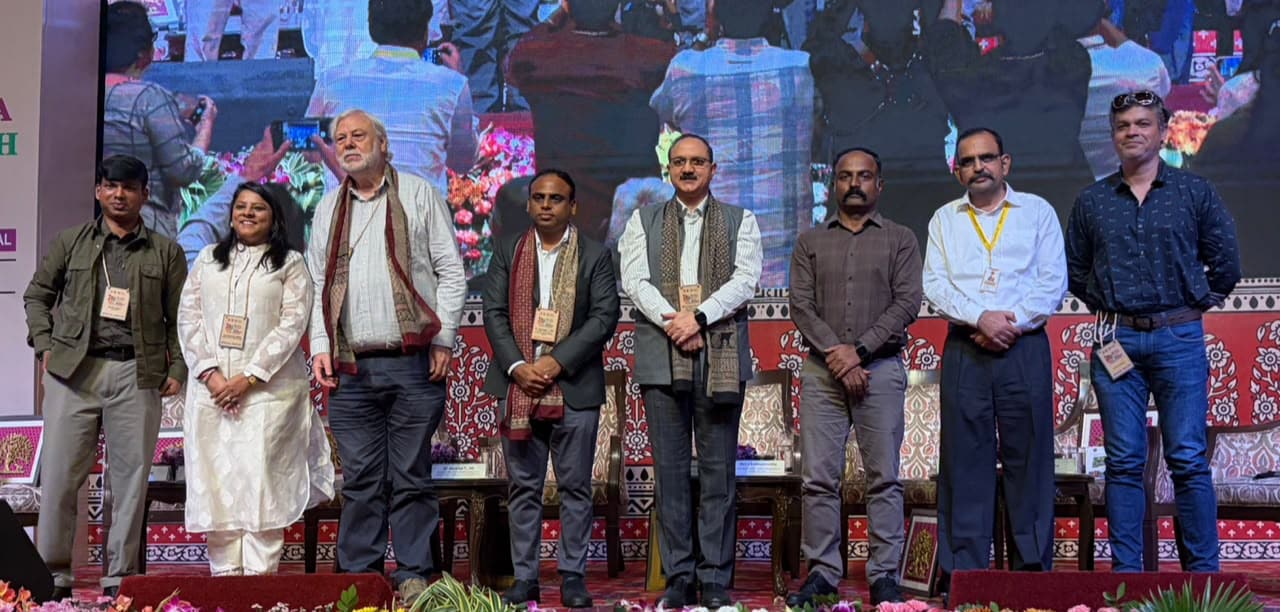
Panel highlights diverse wildlife experiences and the need for professionally trained guides.
A panel discussion on “The Living Landscape of India’s Wilds: Wildlife, Communities and Sustainable Tourism in Madhya Pradesh” was held on the second day of Madhya Pradesh Travel Mart 2026 at the Kushabhau Thakre International Convention Centre, Bhopal. The Travel Mart is being organised to showcase Madhya Pradesh’s tourism potential on a global platform.
Bhuvnesh Kumar, Secretary, Ministry of Tourism, delivered the keynote address. The session was moderated by Akanksha Garg, Founder and Director, Waxpol Hotels & Resorts, and Chairperson, ATOAI Women’s Collective.
The panel featured L. Krishnamurthy, CEO, Madhya Pradesh Ecotourism Development Board; Dr. Ilayaraja T., Secretary, Tourism and Managing Director, Madhya Pradesh Tourism Board; David Raju, General Manager, CGH Earth Experience Hotels; Toby Sinclair, Director, andBeyond Asia; Parikshit Singh, Founder and CEO, Gram Stay; and Shivang Mehta, Wildlife Photographer.
Community engagement essential for sustainable wildlife tourism: Bhuvnesh Kumar
In his keynote address, Bhuvnesh Kumar emphasised that meaningful engagement with local communities is essential for wildlife tourism. He said sustainable tourism can achieve its true purpose only when it follows the spirit of “walking with and engaging with local communities.”
He noted that Madhya Pradesh has undertaken significant work in forest management and wildlife conservation, with cheetah conservation at Kuno emerging as an important example. He stressed the need to take wildlife tourism beyond tiger sightings and connect visitors with a wider range of nature-based experiences.
He highlighted experiences such as dolphin sightings in Chambal, the biodiversity of the Gandhi Sagar region, vulture conservation, and full-moon boating around vulture breeding habitats as initiatives that could add new dimensions to wildlife tourism in Madhya Pradesh.
Bhuvnesh Kumar said the success of tourism should not be measured merely by the number of visitors, but by the benefits it generates for local communities and nature. Tourists should be encouraged to become more sensitive and responsible through greater awareness about tourism and the environment. At the same time, local communities should be trained in visitor interaction and hospitality so that the economic benefits of tourism reach people at the grassroots level.
Technology and effective communication to shape the future of wildlife tourism: L. Krishnamurthy
L. Krishnamurthy, CEO, Madhya Pradesh Ecotourism Development Board, said the future of tourism will increasingly be shaped by technology and effective communication. Wildlife tourism, he observed, is no longer limited to sightseeing; travellers today seek distinctive and memorable experiences.
Along with Kanha, areas such as Ratapani, Satpura, Sanjay and Veerangana Durgavati Tiger Reserve are also being developed as wildlife tourism destinations in Madhya Pradesh. He underlined the importance of visitor safety, professional training of guides and drivers, and active participation of local communities in strengthening the tourism ecosystem.
New possibilities for wildlife tourism in Ratapani and other destinations: Dr. Ilayaraja T.
Dr. Ilayaraja T., Secretary, Tourism and Managing Director, Madhya Pradesh Tourism Board, said Madhya Pradesh has undertaken effective initiatives in forest and wildlife management. He noted that a cheetah born in India has given birth to five cubs, marking an important milestone in the country’s cheetah conservation efforts.
He said the cheetahs took time to adapt to Madhya Pradesh’s environment, but the conservation efforts are now showing encouraging results. The State is focusing on connecting these conservation initiatives with new and responsible tourism experiences.
He said the development of Ratapani as a new tiger reserve is an important step towards expanding wildlife tourism in Madhya Pradesh. Distinctive experiences such as boating under the full moon around vulture breeding habitats in the Chambal region can bring visitors closer to nature and wildlife while also strengthening awareness about conservation.
Dr. Ilayaraja T. said Madhya Pradesh aims to develop a sustainable and conservation-driven tourism model in which the protection of natural resources remains the highest priority, while creating employment and livelihood opportunities for local communities.
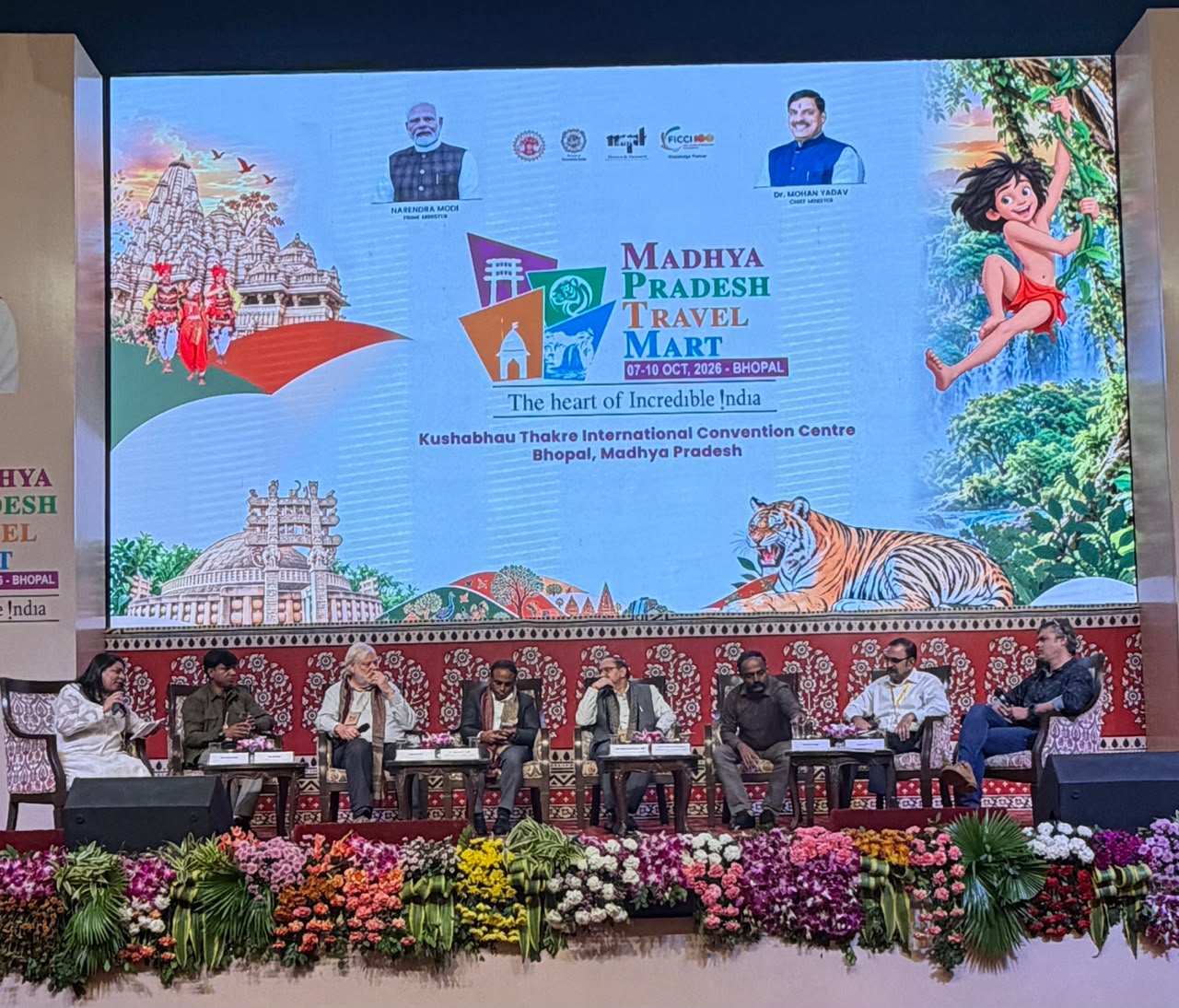
Diverse wildlife experiences and trained guides are key to enriching tourism
Toby Sinclair, Director, andBeyond Asia, said wildlife tourism is no longer confined to tiger sightings. Forests, landscapes, birds, other wildlife and local ways of life must also become an integral part of the visitor experience. He emphasised the need for trained storytellers who can help tourists not merely see a destination, but also understand and experience its character.
David Raju, General Manager, CGH Earth Experience Hotels, said it is often the smaller experiences that make a destination truly distinctive. Along with improving safari and vehicle experiences, greater attention should be given to the knowledge and professional training of guides. Well-trained guides can enrich a visitor’s understanding of forests, wildlife and local ecosystems, making the overall experience more informative and memorable.
Community participation to strengthen wildlife tourism
The panel discussion strongly emphasised conservation-led and community-centric wildlife tourism. It was highlighted that forest landscapes across Kanha, Bandhavgarh, Pench, Satpura, Panna and Madhav offer immense potential for further development of wildlife tourism in Madhya Pradesh.
The discussion underlined that tourism development should not focus merely on increasing visitor numbers, but should prioritise nature conservation and meaningful participation of local communities.
Promoting local employment, trained nature guides, homestays, regional cuisine, handicrafts and cultural experiences can strengthen rural economies while ensuring that tourism creates tangible benefits for communities living around wildlife and forest landscapes.
The discussion reflected Madhya Pradesh’s evolving approach towards wildlife tourism—one that seeks to bring together conservation, immersive visitor experiences and community prosperity, while preserving the State’s rich natural heritage for future generations.
Read more at TravelMail | Follow us on Facebook | Twitter | and Instagram for on-the-go news.